The recent release of the Stimson Center’s online course “Naval Competition in the Indian Ocean Region” has sparked discussions about the geopolitical dynamics within this crucial maritime area. The South Asian Voices editorial team conducted a Q&A session featuring insights from experts Nilanthi Samaranayake, Tanzeela Khalil, and Viraj Solanki. They explored the implications of naval competition, the influence of emerging technologies, and the potential for regional cooperation.
### Importance of Naval Competition
The Indian Ocean Region (IOR) has become a focal point for major global powers vying for influence, primarily due to its strategic trade routes, which carry about 80% of the world’s oil. Tanzeela Khalil emphasized that naval capabilities extend beyond military presence; they are essential for protecting economic interests and maintaining regional security. Concern arises from the increasing naval activities among nuclear-armed states, which heighten the risks of escalating crises.
Viraj Solanki noted that island and littoral states are modernizing their military and seeking defense cooperation amid these power rivalries, particularly with respect to the U.S.-China and India-China dynamics. Key regional players are adapting their military frameworks to address the realities of heightened competition.
### Current Trends
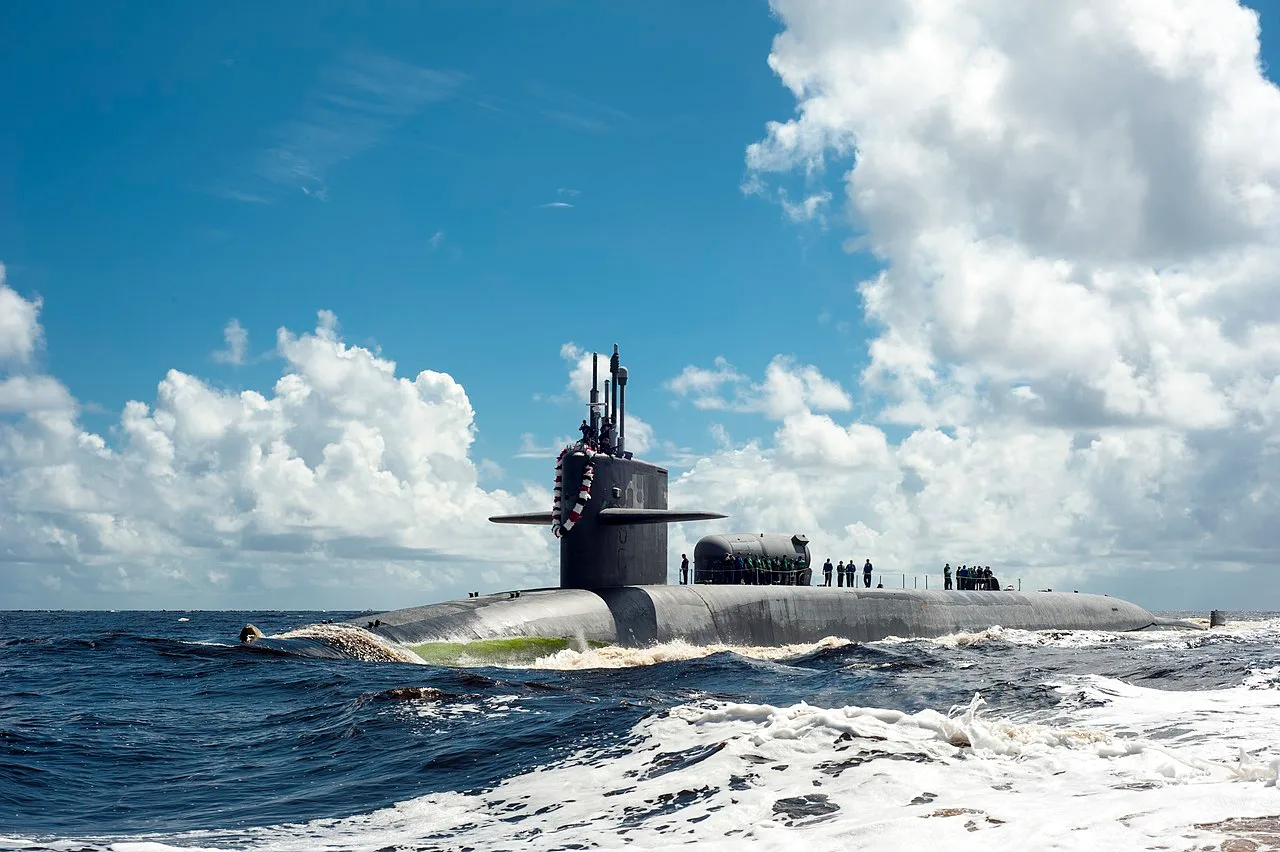
Recent advancements in the Pakistan Navy illustrate its objectives to enhance maritime security and ensure deterrence, particularly in light of India’s growing capabilities, such as the commissioning of new submarines. Khalil explained that Pakistan seeks to modernize its fleet to effectively address competition and potential threats.
In her analysis, Nilanthi Samaranayake pointed out that U.S. strategic frameworks often overlook the IOR, complicating the region’s stability. She urged that the U.S. must clarify its objectives in the IOR, as different U.S. entities manage diverse concerns. The ambiguity surrounding U.S. intentions can exacerbate tensions.
### Challenges and Future Developments
One key challenge is balancing traditional security concerns with the emerging non-traditional issues faced by smaller nations affected by climate change or natural disasters. As major powers prioritize their interests, island states may struggle to assert their agendas.
Emerging technologies such as AI and quantum computing are projected to transform naval warfare, enhancing situational awareness and decision-making. However, this rapid evolution carries risks, particularly in terms of vulnerabilities and rapid conflict escalation.
### Role of the United States
The United States can play a stabilizing role by reinforcing adherence to international maritime law, thereby promoting peaceful norms and the free flow of commerce. Despite challenges posed by regional rivalries, Samaranayake suggests that the U.S. can help facilitate dialogue and cooperation.
### Flashpoints and Cooperation
The region faces potential flashpoints, including heightened India-Pakistan tensions and activities by external powers like China. However, there are prospects for cooperation, particularly in maritime domain awareness, where countries like India are leading in joint initiatives that promote enhanced security collaboration.
The establishment of frameworks such as the Colombo Security Conclave signifies a renewed focus on regional partnerships. This organization pools resources from nations like the Maldives, Mauritius, and Sri Lanka, aiming to collaboratively address maritime security and counter-terrorism.
In conclusion, the naval competition in the Indian Ocean is a complex issue involving multiple stakeholders and diverse interests. While risks abound, including military escalations and the interplay of emerging technologies, there remains significant potential for regional cooperation to enhance security and stability in this strategically vital area.