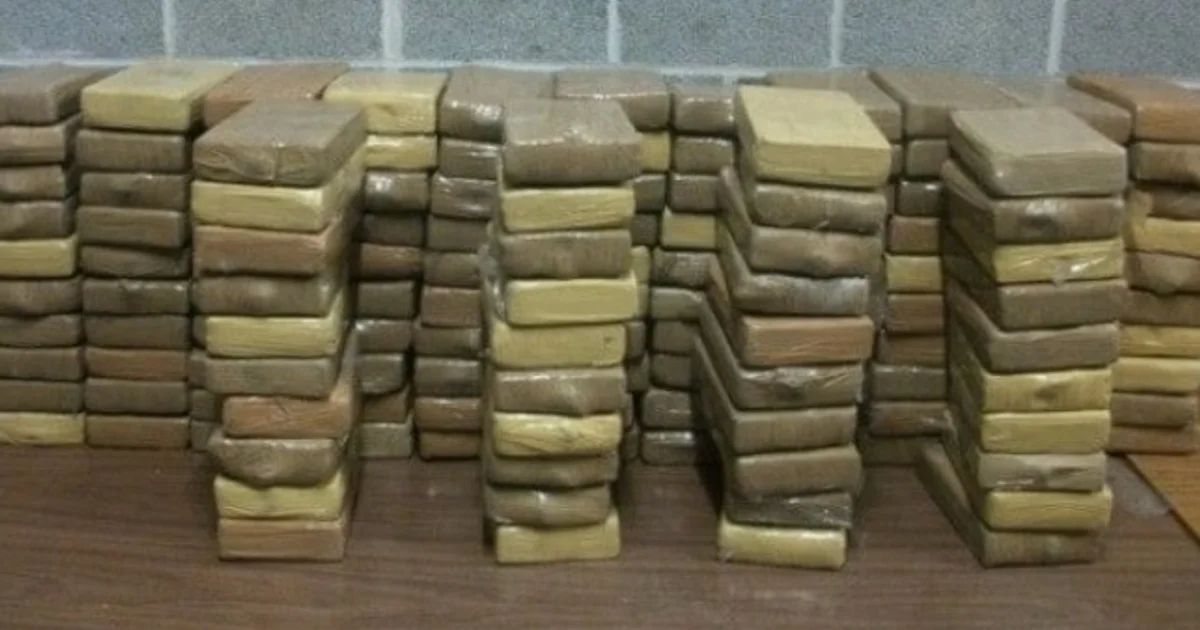
Antwerp, Belgium’s largest container port, is grappling with a deepening crisis tied to cocaine smuggling that has stirred alarm over the rule of law and public safety. The port, a critical hub for European trade, has transformed into a focal point for illicit narcotics trafficking, spawning severe consequences such as gang violence, bribery, and systemic corruption across law enforcement and judicial sectors. An unnamed investigating judge issued a stark warning in an open letter, cautioning that Antwerp teeters on the brink of becoming a "narco-state," where drug trafficking syndicates increasingly dominate the local economy and undermine institutional authority.
Investigative efforts have led to arrests implicating key personnel, including customs officials, port employees, police officers, and even judiciary staff linked to the smuggling operations. The financial allure of the cocaine trade is staggering; individuals are reportedly earning upwards of $100,000 for moving a single container or pocketing $50,000 simply for retrieving a duffle bag of narcotics. This lucrative industry has emboldened organized crime groups, which retaliate with escalating threats of violence against those attempting to dismantle their networks. Law enforcement and judicial officials have borne the brunt of these threats, with some investigators forced into protective measures such as relocation to safe houses, often at personal cost without government reimbursement.
The judge further revealed mounting fears within the justice system, noting that intimidation tactics have made some magistrates reluctant to hear drug-related cases, risking the integrity of legal proceedings. Instances of personal attacks against judges underscore the danger and highlight the systemic challenges in addressing the pervasive influence of drug trafficking gangs. The infiltration of corruption and coercion threatens not only Antwerp’s port operations but also wider public trust in institutional governance.
To combat these entrenched challenges, the judge has recommended a suite of reforms aimed at fortifying protection for those involved in prosecuting narcotics-related crimes. Proposals include offering comprehensive insurance against physical attacks, enabling anonymous rulings to shield judges, removing magistrates’ home addresses from public databases, restricting inmate access to cell phones to curb orchestrated criminal activity from within prisons, and formalizing protocols to respond effectively to threats. Misuse of inmate cell phones remains a major concern, with numerous violent episodes in Antwerp allegedly directed from prison facilities.
This crisis comes amid forecasts suggesting a surge in cocaine shipments to Europe due to ramped-up production in South America and falling retail prices in European markets. U.S. enforcement operations targeting established smuggling routes have compelled drug cartels to identify new pathways, potentially exacerbating safety risks across European cities, including Antwerp. With increasing threats and evolving trafficking methodologies, the city finds itself at a pivotal moment requiring decisive action to mitigate narcotic-related crime.
Why this matters
The situation underscores significant operational and reputational risks for Antwerp's port, one of Europe’s busiest gateways for maritime trade. Corruption and criminal infiltration not only jeopardize port security but also threaten the viability of Belgium’s logistics sector, which heavily relies on the port’s seamless functioning for economic growth and employment. Maritime operators face heightened exposure as cargo inspections and law enforcement activities disrupt normal port operations.
For shipowners and charterers, the escalating violence poses potential insurance premium hikes, liability risks, and increased scrutiny under customs and criminal investigations. Port employees, including customs officials, are particularly vulnerable, with drug trafficking gangs wielding influence through bribery and intimidation, eroding trust within operational infrastructure. This unstable environment compounds broader supply chain risks for stakeholders reliant on Antwerp’s throughput efficiency.
The forecasted increase in cocaine shipments intensifies the need for enhanced security protocols within ports throughout Europe. Antwerp’s exposure highlights a trend that could ripple across other high-volume ports, necessitating collaboration among port authorities, law enforcement agencies, and industry stakeholders to safeguard maritime trade routes from narcotics-related corruption and violence.
As Antwerp navigates these challenges, its handling of the crisis could serve as a blueprint—or cautionary tale—for other European ports confronting similar pressures. For shipping operators and trade partners, vigilance will be critical as the port reforms its governance structure to counteract the growing influence of organized crime.