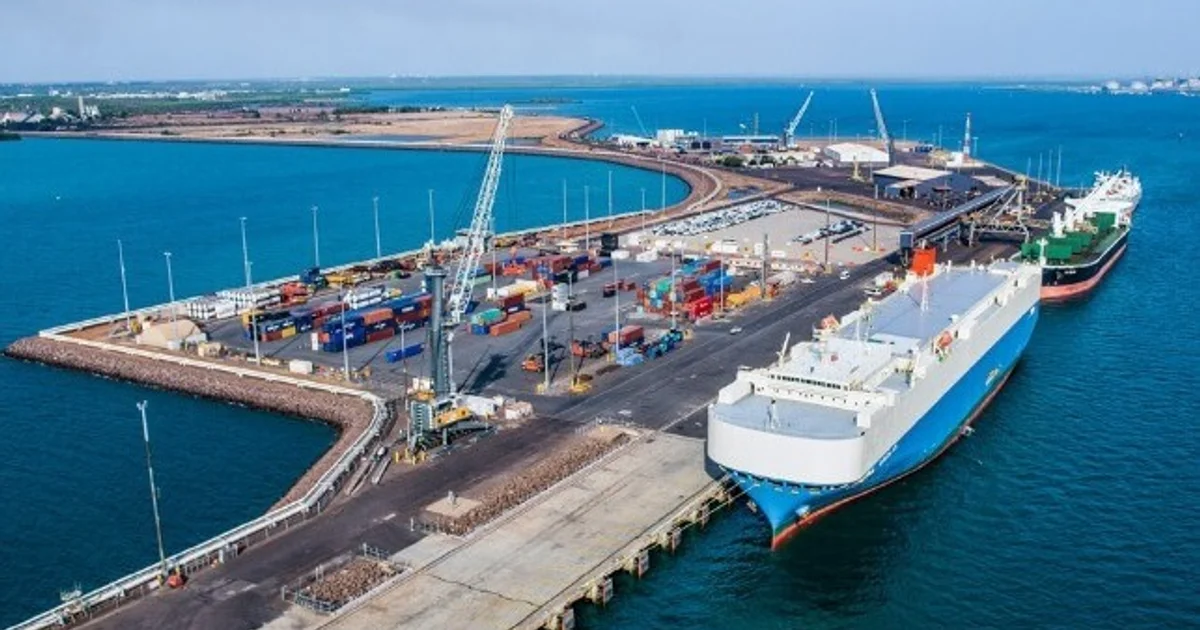
The Port of Darwin, located on Australia's northern coastline and vital for offshore oil and gas activities, has become a focal point in the lead-up to the country's federal elections. Prime Minister Anthony Albanese has stated that the port "should be in Australian hands," referencing mounting concerns around a 99-year lease awarded to Chinese company Landbridge in 2015.
Strategically positioned as Australia’s nearest port to Asia, Darwin is integral to the nation’s energy and livestock sectors, handling over 1 million kiloliters of petroleum, more than 280,000 head of cattle annually, and operating as a marine hub for U.S. military deployments and cruise liners. The lease, controversially signed by the Northern Territory government following a public tender process, has drawn consistent criticism over what detractors term disenfranchisement of Australian strategic assets. The agreement faced initial scrutiny during the Obama administration, with U.S. officials issuing warnings about China's influence in the Indo-Pacific.
Recent developments have intensified the debate, as Landbridge's parent company defaulted on a substantial bond obligation in 2024, prompting skepticism over the firm's ability to sustainably manage such a critical asset. Although Landbridge reported a 50 percent uptick in earnings before interest, taxes, depreciation, and amortization (EBITDA) for the latest fiscal year, its financial disclosures pointed to overall losses driven by non-cash charges.
The Albanese government has held consultations with private investment funds regarding options to reclaim control of the port's operational lease, with proposals ranging from federal intervention to engaging domestic investors. This marks a shift from Prime Minister Albanese’s earlier remarks made in 2023, where he categorically ruled out reacquiring the port. Opposition leaders have equally ramped up calls for bringing Darwin Port back under Australian ownership, citing national security and economic stability as primary concerns. A formal statement on the matter is anticipated ahead of the elections on May 3.
While Landbridge’s Australian operations director, Terry O’Connor, denied discussions over selling the port and stated publicly that it remains "not for sale," reports suggest otherwise. Industry sources allege that Landbridge may consider parting with the lease for A$1.3 billion (approximately US$795 million), a significant markup from the original acquisition price nearly a decade ago.
Why this matters
Foreign control of strategic maritime infrastructure like Darwin Port has far-reaching implications for national security and trade reliability. Global scrutiny over China's involvement in overseas critical assets, particularly in the Indo-Pacific, has exacerbated sensitivities within Australia. This focus aligns with broader geopolitical trends and maritime operators' growing hesitancy toward foreign ownership complexities.
For shipowners and charterers dependent on Darwin Port's throughput, uncertainties over lease ownership create operational risks, especially for petroleum importers and livestock exporters. Questions surrounding Landbridge’s financial stability further magnify these concerns, with default risks potentially jeopardizing port investment plans and hindering capacity improvements.
Should the federal government intervene or local investors acquire the lease, operational control may stabilize, mitigating anxieties over foreign ownership in Australia's supply chain. Nonetheless, the A$1.3 billion price tag raises fiscal questions about the economic viability of such a reacquisition.
With the federal elections looming, the Port of Darwin's future is poised to influence maritime stakeholders navigating fragile intersecting priorities of trade security and logistics operations. Decisions made in the coming weeks will shape not only port governance but broader regional trade dynamics into the next decade.