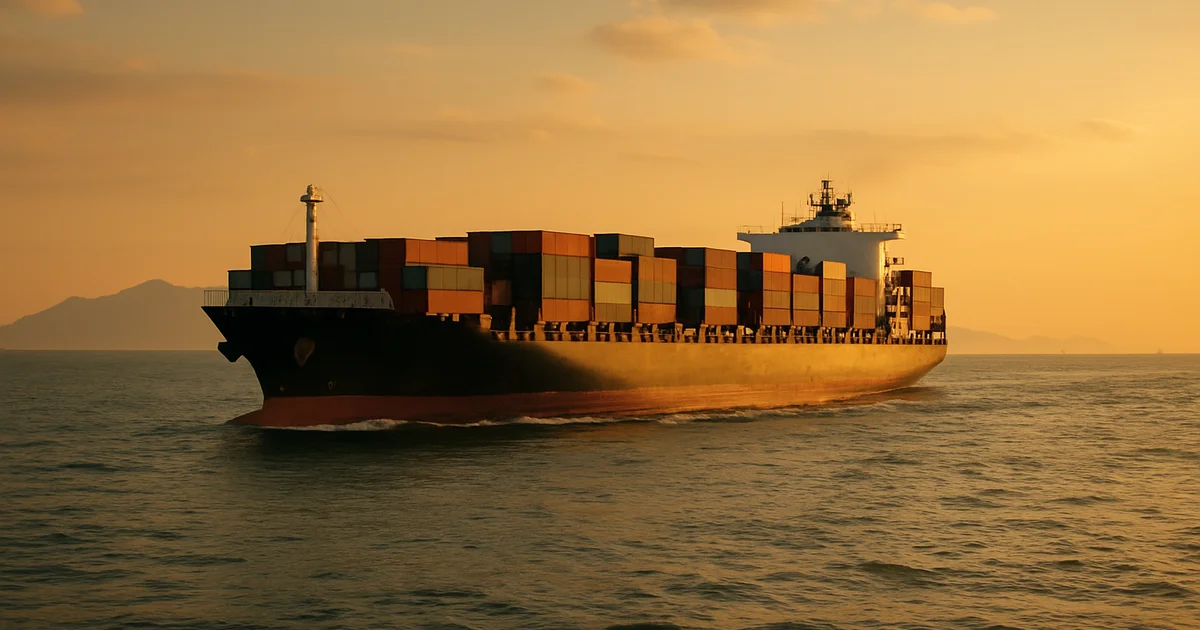
The global maritime industry, responsible for facilitating approximately 90% of world trade, is bolstered by a workforce of millions of seafarers operating across all major shipping lanes. Crew welfare and human resource strategies are increasingly prioritized by industry stakeholders as they address operational challenges, regulatory mandates, and workforce sustainability imperatives. Key areas of focus include safeguarding seafarer rights, improving mental health initiatives, expanding training programs, and adapting recruitment strategies.
Seafarer Rights: Upholding International Standards
The protection and enforcement of seafarer rights are governed by international frameworks, most notably the Maritime Labour Convention (MLC) of 2006. Several provisions aim to ensure equitable conditions for maritime workers globally:
- Fair wages and working conditions: Standards mandate regulated pay scales, working hours, and stipulated rest periods.
- Health and safety enforcement: Compliance requires safe onboard environments, medical care facilities, and access to shore-based healthcare services.
- Anti-discrimination protections: Equal opportunities are foundational, spanning nationality, gender, and religious beliefs.
- Access to justice: Mechanisms like grievance reporting and legal redress ensure transparency and equity.
Properly implementing these frameworks is vital, not only for fostering professional satisfaction among seafarers but also for ensuring operational efficacy and managerial stability within shipping companies.
Mental Health: Addressing Maritime Challenges
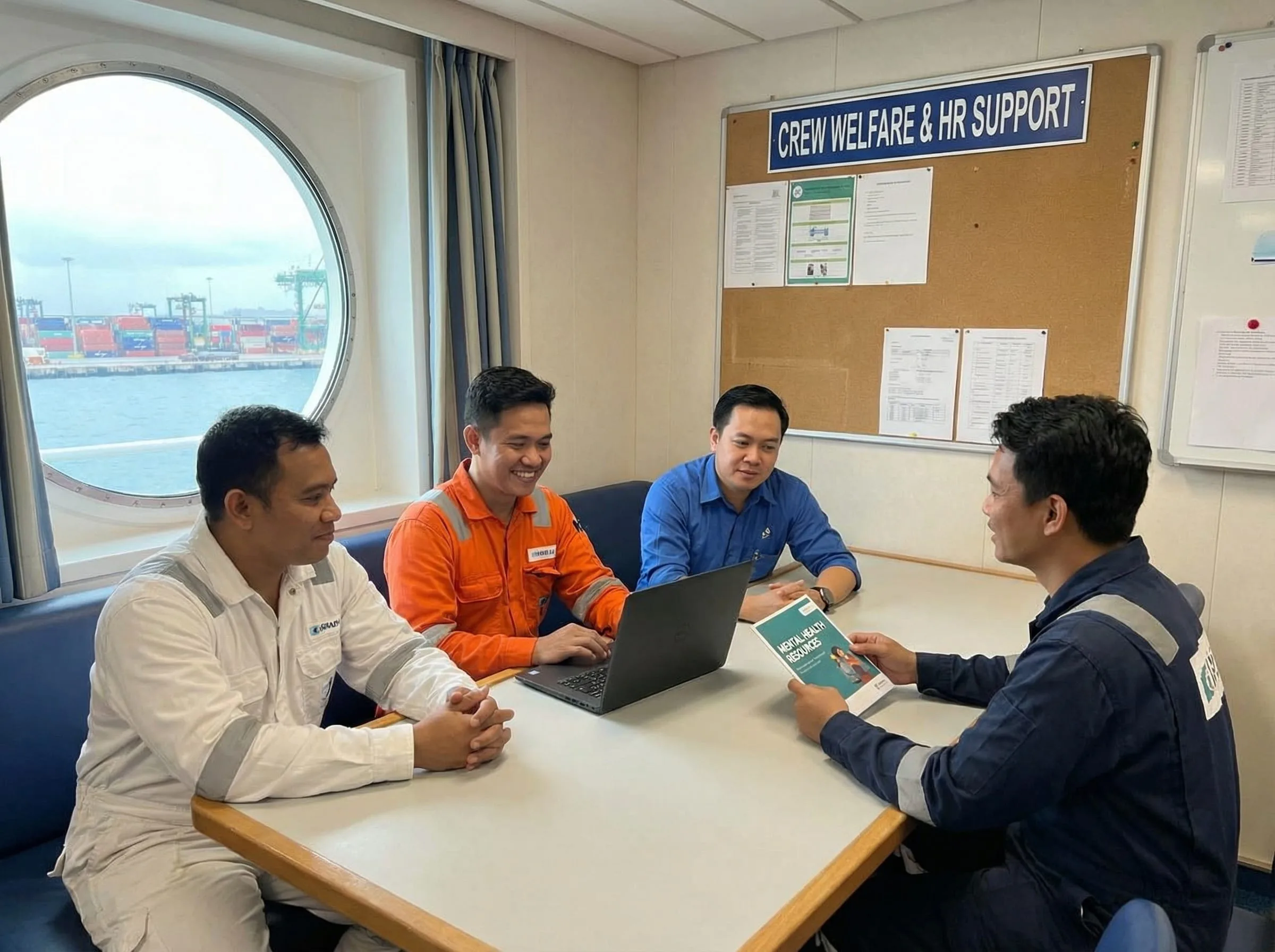
The psychological welfare of seafarers is attracting growing attention as industry studies highlight issues arising from extended time at sea, social isolation, and high-pressure schedules. Efforts to mitigate these challenges include:
- Mental health programs: Shipping companies are deploying helplines, counseling initiatives, and peer-support networks onboard vessels.
- Training for resilience: Comprehensive programs educate crew members in recognizing symptoms of mental distress among colleagues.
- Enhanced connectivity: Improving onboard internet access enables personnel to maintain regular contact with family and friends.
An emphasis on mental health directly contributes to lower accident rates and heightened operational reliability, reflecting broader industry benefits.
Training Programs: Staying Ahead of Industry Changes
In an era of technical innovation and regulatory shifts, the maritime sector relies on robust workforce training initiatives to maintain competitiveness. Core strategies include:
- Mandatory certifications: STCW standards provide global benchmarks across watchkeeping, navigation, and emergency preparedness.
- Specialized courses: Operators increasingly invest in niche training areas, including cybersecurity and environmental protection protocols.
- E-learning and simulation: Digital platforms offer immersive and flexible training solutions, enabling real-world scenario practice.
Accelerated training ensures seafarers remain adaptable as shipping operations become increasingly complex, from automated systems to compliance with decarbonization mandates.
Recruitment Trends: Building the Workforce
Demographic shifts and changing skill requirements are shaping maritime recruitment strategies worldwide. Challenges—and opportunities—identified include:
- Talent shortages: An aging workforce and limited interest among younger generations impact recruitment pipelines.
- Diversity initiatives: Efforts are underway to increase female representation and enhance inclusion for underrepresented groups.
- Digital transformation: Demand is surging for professionals proficient in managing automated systems and digital platforms.
- International recruitment: Streamlined processes are facilitating cross-border hiring amid growing demand for skilled labor.
Progressive shipping companies are fostering partnerships with maritime academies, boosting employer branding, and incorporating tailored development programs to address workforce gaps.
Why this matters
The highlighted aspects of crew welfare and human resource management are critical for the operational and reputational integrity of maritime organizations. By committing to compliance with seafarer rights under the MLC, operators avoid detention risks and mitigate employee turnover—key factors impacting fleet performance. Mental health initiatives further ensure workforce stability and reduce the likelihood of safety incidents.
Meanwhile, training innovation addresses the rapid adoption of new technologies and regulatory obligations, empowering vessel crews to operate modernized assets efficiently. Recruitment trends signal an urgent need for diversification and digital readiness across the workforce—critical for meeting evolving trade requirements and operational complexities.
As the maritime industry navigates these dynamics, companies should consider integrating crew welfare enhancement into broader ESG objectives. Long-term workforce planning will be pivotal in achieving operational resilience in the context of global trade demands.