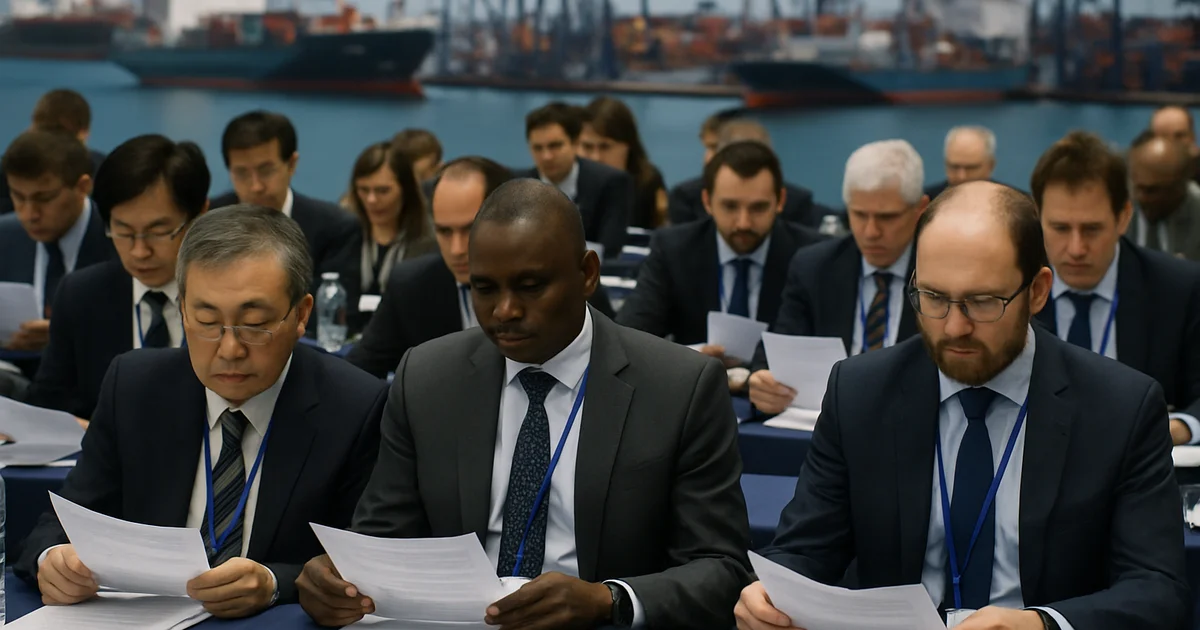
Dalian Maritime University (DMU), in collaboration with the International Maritime Organization (IMO), is undergoing significant strides in integrating IMO policy into its mariner education programs. This initiative aims to strengthen future maritime professionals' understanding and implementation of international maritime policies and regulations, particularly focusing on environmental sustainability and safety protocols.
As a renowned institution for maritime education, DMU is actively embedding the latest IMO guidelines into its curriculum. The focus is primarily on the recent decarbonisation mandates set forth by the IMO to address global climate change challenges. Through comprehensive courses, the university is equipping students with the expertise required to navigate complex regulatory landscapes effectively.
The training provided at DMU encompasses practical and theoretical knowledge, with a particular emphasis on the IMO's recently revised decarbonisation regulations and other environmental protections. This educational approach ensures that aspiring maritime leaders are well-prepared to meet stringent compliance demands once they begin their careers onboard vessels or in maritime administration roles.
According to the International Maritime Organization, incorporating real-world case studies and scenario-based learning is a central component of DMU's updated curriculum. The university uses facilities including state-of-the-art simulators and on-campus training vessels to provide students with hands-on experience that replicates real-life maritime operations under the guidelines of IMO standards.
Why this matters
The alignment of academic institutions like DMU with IMO policies is crucial for the maritime industry's transition towards sustainability. As decarbonisation rules grow more demanding, equipping seafarers with the skills to implement these standards becomes essential. Education programs that integrate such policies help reduce risks of non-compliance, which could lead to penalties or restricted operational licenses for shipowners.
The program at DMU also plays a role in managing the transition to new fuel technologies and retrofitting infrastructure to meet CII ratings and EU ETS regulations. Providing seafarers with up-to-date knowledge ensures they understand the technical solutions available and the cost implications of retrofits and new fuel adoption, including LNG, methanol, or ammonia blends.
Additionally, the continuous evolution of the maritime workforce's capabilities will ease the reporting burdens for operators, as educated professionals can effectively contribute to the documentation and auditing processes necessary for maintaining sustainability-linked loans and green financing options.
The partnership between the IMO and educational institutions represents a broader strategy to standardize maritime training globally, ensuring all regions can produce qualified personnel who understand and are prepared to adhere to international standards.
The implications of embedding IMO policies in maritime education are far-reaching for the industry. As environmental standards become more stringent, ship operators and maritime administration officials must prioritize compliance to ensure operational viability and market competitiveness. The ongoing development at DMU exemplifies a proactive approach to equipping the future maritime workforce, ensuring readiness for forthcoming regulatory challenges and the smooth adoption of innovative fuel technologies.