The Pakistan Navy is intensifying preparations for AMAN-2025, a multinational naval exercise slated to take place from February 10-14, 2025. Admiral Naveed Ashraf, Chief of the Pakistan Navy, outlined the initiative’s scope alongside broader maritime security challenges and ongoing modernization during an interview with Naval News. AMAN-2025 seeks to foster global cooperation by bringing together navies from across the world to address evolving naval threats and strengthen interoperability. A strategic addition to this year’s iteration of AMAN is the introduction of the AMAN Dialogue, which will enable high-level discussions on regional security and collaboration strategies.
The Indian Ocean, a critical conduit for global trade, remains susceptible to mounting security pressures amid environmental hazards and geopolitical tensions. Admiral Ashraf highlighted the interconnected nature of these challenges, referencing regional instability in Afghanistan and volatility stemming from the Israel-Gaza conflict. To mitigate risks, the Pakistan Navy is prioritizing the protection of sea lines of communication and responses to both conventional and unconventional threats.
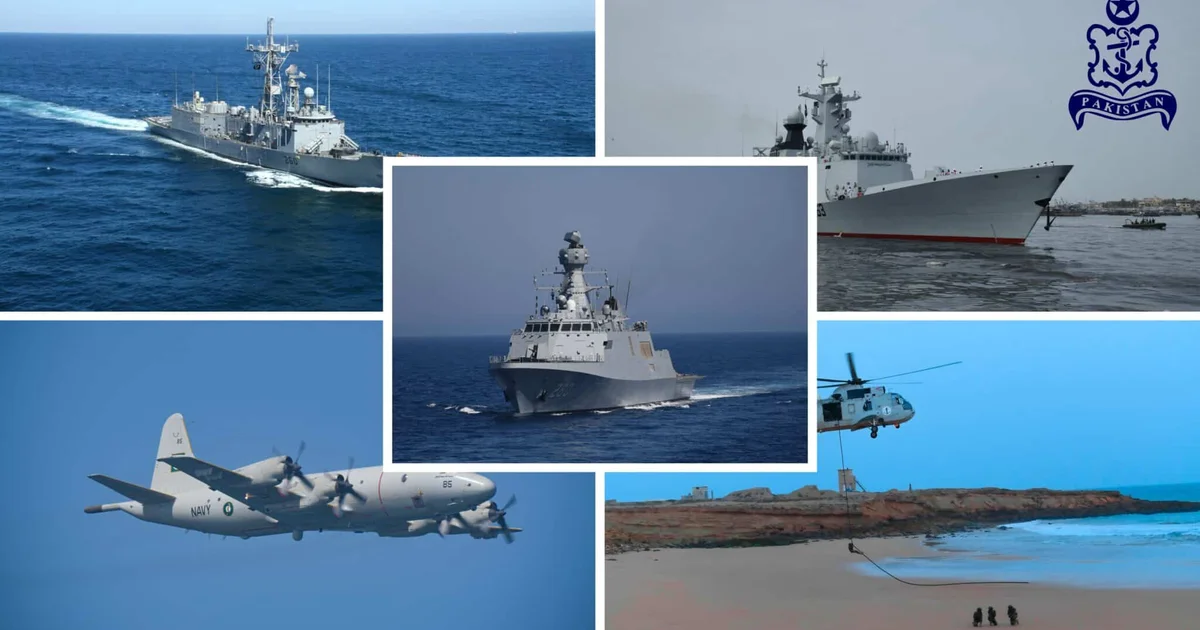
Modernization efforts are central to the Navy’s capabilities expansion. Recent acquisitions include Type 054 A/P frigates from China, offshore patrol vessels (OPVs) from Romania, and MILGEM Class corvettes from Turkey. These advanced warships are integral to countering complex maritime threats. Admiral Ashraf also revealed plans to develop Pakistan’s first indigenously designed frigate, designated the JINNAH Class. The vessel reflects the Navy’s ambition towards greater self-reliance in defense technology.
Beyond traditional upgrades, the Pakistan Navy is increasingly turning to unmanned systems to bolster operational efficiency. Admiral Ashraf emphasized the role of unmanned aerial vehicles (UAVs) in enhancing maritime domain awareness and offering flexibility in monitoring expansive sea areas. The hybrid deployment model combining manned and unmanned platforms seeks to optimize naval capabilities while reducing costs associated with maintenance cycles.
Admiral Ashraf expressed high hopes for the upcoming AMAN exercise, underscoring its importance in fostering regional cooperation and ensuring secure and orderly operations at sea. The previous edition featured participation from 50 countries, with the Admiral suggesting similar or greater involvement for AMAN-2025. Such engagements seek to deepen operational collaboration, signaling Pakistan’s commitment to promoting stability in the Indian Ocean.
Why this matters
The AMAN exercises have grown into a pivotal forum for addressing maritime security in one of the world’s most strategically vital regions. As global trade routes increasingly intersect with geopolitical tensions, fostering interoperability among international navies helps mitigate risks such as piracy, illegal trafficking, and territorial disputes. For Pakistan, hosting AMAN-2025 not only strengthens its naval partnerships but also positions the country as a stabilizing force in the Indian Ocean.
From an operational perspective, the modernization of the Pakistan Navy underscores the importance of maintaining readiness to counter multifaceted threats. By acquiring technologically advanced platforms and integrating unmanned systems, the Navy is aligning its capabilities with contemporary demands, ensuring it can address both asymmetric threats and conventional naval engagements.
For shipbuilders and defense contractors, Pakistan’s push toward indigenization offers opportunities to engage in emerging markets for collaborative development and transfer of naval technologies. Regional operators will closely monitor how the JINNAH Class frigate project unfolds, especially in the context of developing indigenous expertise.
The success of AMAN-2025 will likely be measured by the depth of interoperability achieved and the extent to which participants can present coordinated solutions to maritime security challenges. As disruptions in the Indian Ocean trade corridors remain a critical concern for global shipping, the influence of such exercises on stabilizing commercial and energy flows should not be underestimated.
With modernization efforts underway and the AMAN Dialogue introduced, Pakistan intends to solidify its reputation as a key maritime partner and contributor to global naval collaboration. AMAN-2025, if delivered effectively, could set a benchmark for multilateral naval exercises in the region.