On November 25, 2025, Malaysia and Pakistan convened in the United Kingdom to discuss enhancing bilateral cooperation in the maritime sector. The meeting featured Malaysian Deputy Minister of Transport Datuk Hasbi bin Habibollah and Pakistan's Federal Minister for Maritime Affairs Muhammad Junaid Anwar Chaudhry. Key initiatives explored included fostering seafarer training, leveraging port digitization technologies, and establishing direct feeder shipping routes between the two nations, with wider connectivity to Indonesia.
During the discussions, Minister Chaudhry proposed a Memorandum of Understanding (MoU) to facilitate an exchange program for marine cadets and advanced seafarer training. Under the MoU, Pakistan would send cadets to participate in training programs at Malaysian maritime academies, while Malaysia would extend specialized maritime training opportunities to Pakistan. Chaudhry stated that the initiative would enhance professional growth among young seafarers and set the groundwork for long-term collaboration in the maritime domain.
The agenda also addressed Pakistan’s advancements in digital port solutions, particularly the implementation of the Pakistan Single Window platform at Karachi Port and Port Qasim. The system has streamlined cargo clearance processes, improved transparency, and enhanced trade facilitation efforts. Chaudhry highlighted how access to these solutions could modernize Malaysia’s port operations by reducing clearance delays and optimizing efficiency in cargo handling.
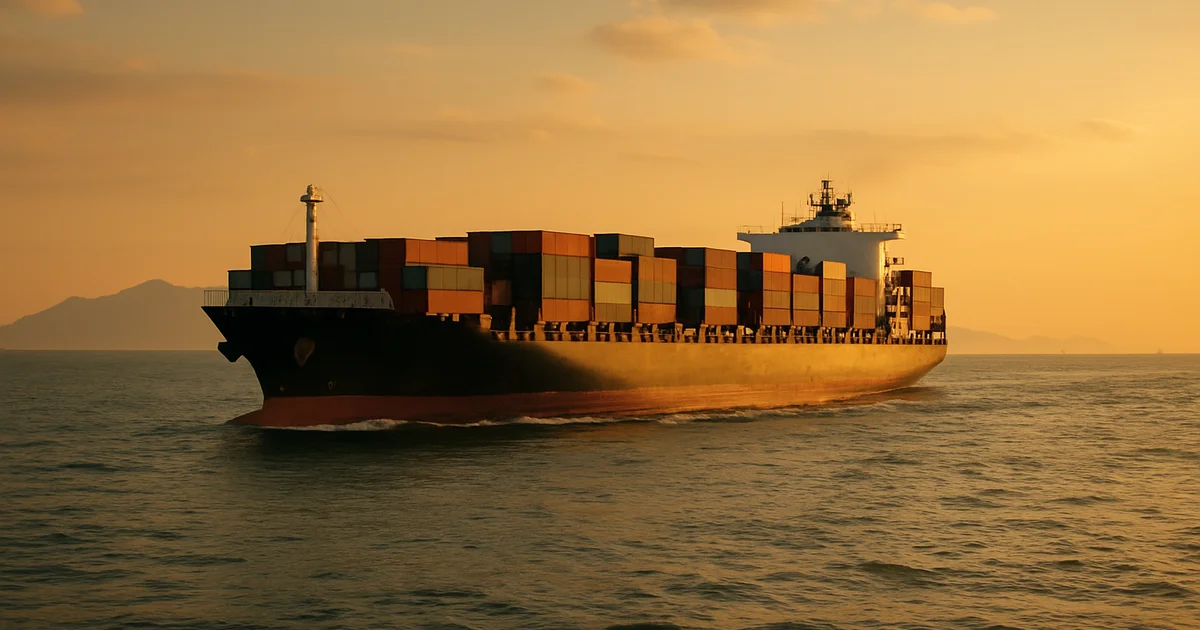
Another high-priority discussion focused on establishing direct feeder shipping lines linking Pakistan, Malaysia, and Indonesia. The proposed corridors aim to lower freight costs and transit times while facilitating bilateral trade. Specifically, Pakistan seeks to enhance its rice exports to Southeast Asia, while importing edible oil from Malaysia and Indonesia more efficiently. Both nations identified the project as pivotal to deepening maritime connectivity with ASEAN economies, amid rising demand for agricultural commodities.
The ministers agreed that detailed technical consultations are required to finalize the MoU, develop training modules, and operationalize the cadet exchange program. These collaborative initiatives underscore a shared commitment to strengthening maritime ties and supporting more robust trade and shipping links.
Why this matters
For Pakistan, these initiatives align with its strategic goals to modernize the maritime sector and expand trade ties with ASEAN economies. The proposed direct feeder shipping routes are particularly significant as they can substantially reduce freight costs and transit times, boosting the competitiveness of Pakistan’s agricultural exports, including rice, in Southeast Asia.
Malaysia stands to benefit from Pakistan’s experience with port digitization through the Single Window platform. By adopting similar technologies, Malaysian ports could address inefficiencies in cargo clearance and enhance overall throughput. These innovations are likely to attract greater volumes of trade and improve operational transparency.
Both nations also gain from collaborating in seafarer training and cadet exchanges, which address the global shortage of skilled maritime professionals. By pooling resources in maritime education, Malaysia and Pakistan can strengthen human capital within their maritime industries, improving standards and safety across their fleets and operations.
From a broader perspective, these efforts reflect a growing emphasis among developing nations on interregional cooperation in shipping, trade, and operational skill-building. Enhanced maritime connectivity and mutual investment in capabilities could act as a blueprint for further partnerships within the ASEAN and South Asian regions.
Moving forward, the finalization of the proposed MoU and the establishment of direct feeder shipping routes will be key milestones to watch. Shipowners and operators in both countries are likely to closely monitor developments on port technology transfers and new trade corridors, which could shift regional cargo flows and foster deeper integration between Pakistan and Southeast Asia’s maritime economies.