India Strengthens Maritime Security Ties with Southeast Asia Amid Indo-Pacific Focus
India is solidifying its maritime security partnerships across Southeast Asia through strategic dialogues and defense collaborations, in line with its Act East policy, as tensions in the South China Sea persist. Recent high-level security dialogues with nations including Vietnam, Thailand, the Philippines, Malaysia, Indonesia, and Singapore underscore its commitment to a stable and secure Indo-Pacific region.
The India-Vietnam Security Dialogue held on December 5, 2024, co-chaired by Indian National Security Advisor Pavan Kapoor and Vietnam’s Deputy Minister of Public Security, emphasized counter-terrorism, maritime security, and cyber cooperation within the framework of their comprehensive strategic partnership. Similarly, the India-Thailand Defence Dialogue on December 12, 2024, explored strengthening defense ties, proposing a joint working group to enhance maritime security and align defense industry efforts with Thailand’s complementary Act West policy.
On December 13, 2024, India inaugurated its maritime security dialogue with the Philippines, focusing on the implementation of a memorandum of understanding for broader maritime cooperation. This included agreements on standard operating procedures for exchanging maritime information. Meanwhile, the India-Malaysia Security Dialogue, co-chaired on January 7, 2025, by India’s NSA Ajit Doval and Malaysia’s National Security Council director general, discussed counter-terrorism strategies and joint efforts in defense and maritime security.
India’s security dialogues with Indonesia have prioritized counter-terrorism and maritime security, reflecting shared concerns over regional stability. Enhanced defense dialogues with Singapore further strengthen interoperability among naval forces in critical zones such as the Straits of Malacca, a chokepoint for global trade flows. These engagements highlight India’s multi-faceted strategy to address the region’s maritime security challenges.
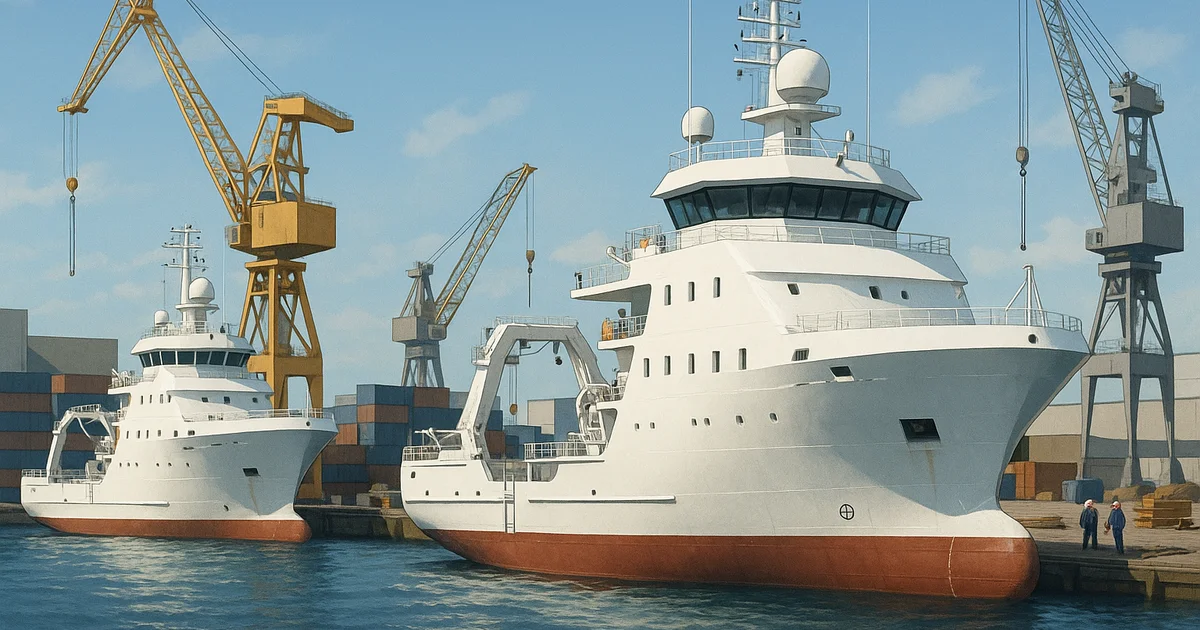
Operationally, India has bolstered defense capabilities in Southeast Asian nations by providing patrol boats and missile technology to Vietnam and the Philippines. Joint military exercises such as Maitree with Thailand, Garuda Shakti with Indonesia, and collaborative training with Singapore further improve interoperability and readiness. These maneuvers complement India's broader Indo-Pacific vision, where advocacy for a rules-based order in the South China Sea is vital against Chinese territorial assertions.
Why this matters
India’s deepening maritime security ties with Southeast Asia carry significant implications for regional stability and international shipping routes. As vital gateways like the Straits of Malacca shape trade flows, enhanced naval interoperability among local forces helps safeguard these corridors from emerging threats such as piracy and geopolitical tensions. This is particularly critical for shipowners and operators dependent on uninterrupted transit through contested maritime zones.
The provision of advanced equipment such as patrol vessels by India to nations like Vietnam and the Philippines broadens regional maritime monitoring capacity, increasing patrol coverage and reducing gaps exploited by illicit actors or aggressor states. Furthermore, standard operating agreements, like those signed with the Philippines, establish protocols for real-time maritime information exchange, improving responsiveness to emerging incidents.
For the ASEAN economies, India’s advocacy for adherence to international frameworks such as UNCLOS and the 2016 PCA ruling reinforces collective legal resistance against unilateral claims in the South China Sea. This diplomatic approach encourages a rules-based environment, critical to sustaining regional trade and fostering long-term economic growth.
Going forward, stakeholders in maritime trade should watch for expanded joint exercises and additional equipment handovers across the region as India deepens partnerships. Strengthened regional security frameworks will increasingly influence vessel routing decisions and insurance underwriting for operations in Indo-Pacific waters.