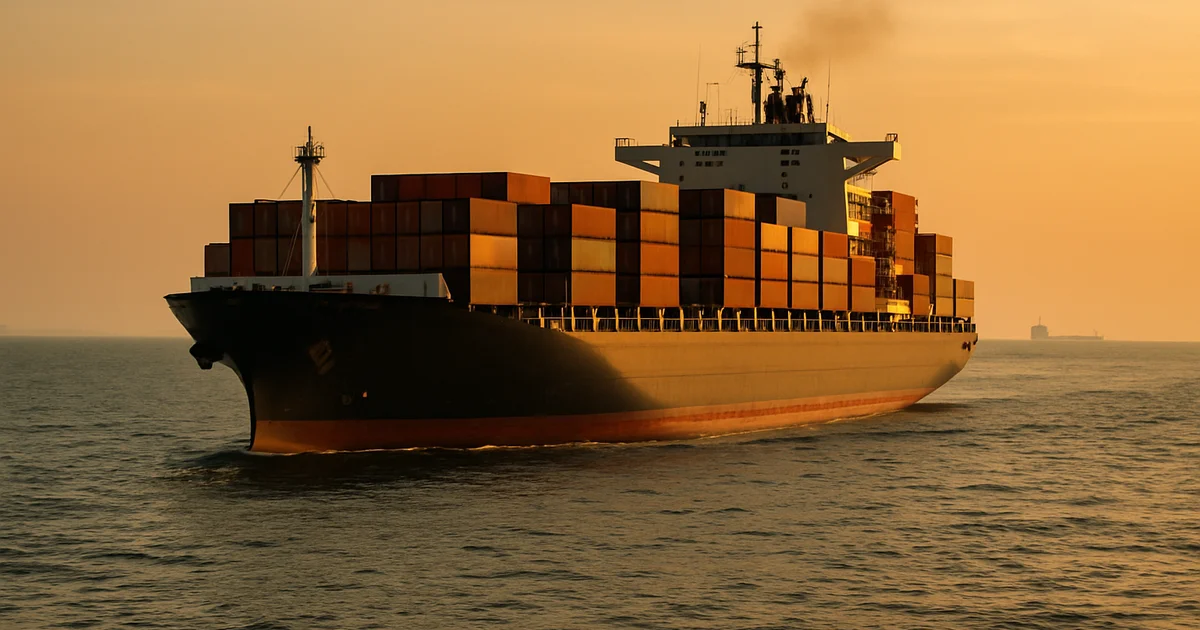
The global shipping industry is facing increasing pressures due to a significant shortage in the maritime workforce. This challenge is impacting operational capabilities across the globe, with shipping companies struggling to source capable crews for their fleets. According to data from The Maritime Executive, the industry is witnessing a shortfall of skilled personnel, which is exacerbated by rising demand for shipping services and stringent regulatory requirements.
In detail, the shortage is largely driven by a combination of factors. The COVID-19 pandemic has played a pivotal role, disrupting crew changeovers and introducing new health protocols that further complicate staffing. Additionally, more stringent International Maritime Organization (IMO) regulations, focusing on environmental standards and safety compliance, have necessitated more technically competent crew members.
The strategic importance of this issue is underscored by the fact that the shipping industry is responsible for the transport of over 80% of global trade. Yet, the gap between demand and the available workforce is widening, with reports indicating that around 90,000 seafarers are currently needed to meet global shipping operations' requirements.
The impact is particularly acute in the tanker and container segments, which have seen an escalation in charter rates in part due to crew scarcity. Shipping companies such as Maersk and Hapag-Lloyd have noted increases in operational costs as they work to mitigate disruptions by offering higher wages and investing in training programs to attract new talent into the industry.
Why this matters
The workforce shortage presents a critical operational challenge that deviates from the industry norms of previous decades. Traditionally, the maritime sector has relied on a steady influx of cadets and experienced mariners. However, this paradigm is shifting as young professionals increasingly gravitate toward onshore careers, and seasoned mariners retire. This trend signals a pressing need for strategic recruitment and training initiatives to attract new talent.
The ramifications for industry stakeholders include potentially higher freight costs, reduced shipping capacity, and increased pressure on existing crews, leading to potential safety risks. Maritime companies are confronted with the dual task of maintaining operational fluidity while complying with evolving regulations, which intensifies the demand for a competent workforce.
Moreover, the strategic focus on reducing emissions and advancing digitalization in operations implies that the future workforce will need to be more technologically adept. This shift necessitates an investment in education and training infrastructures to prepare seafarers for the industry's evolving demands.
Looking forward, the industry must address these workforce challenges to sustain its role as the linchpin of global trade. A continued workforce shortage could lead to significant disruptions in global supply chains, affecting everything from oil transport to consumer goods delivery. Consequently, maritime executives must prioritize talent acquisition and retention strategies, perhaps reevaluating compensation models and fostering collaboration with maritime training academies. A proactive approach in these areas will be critical to navigating the changing operational landscape of the shipping industry.