The deployment of autonomous weapon systems (AWS) has emerged as a disruptive factor in maritime and land-based security, exemplified by recent conflicts showcasing drones’ militarized integration. Both Ukrainian and Russian forces have increasingly relied on high-tech unmanned systems, including maritime drones, which enhance precision targeting capabilities but also amplify ethical and regulatory concerns. Reports from the conflict in Ukraine indicate Ukrainian drones have effectively targeted Russian naval vessels and coastal assets, underscoring the operational efficiency of such technologies. Meanwhile, Russia's mass production of over a million drones within the past year signals the rapid proliferation of these systems, often in regulatory gray areas.
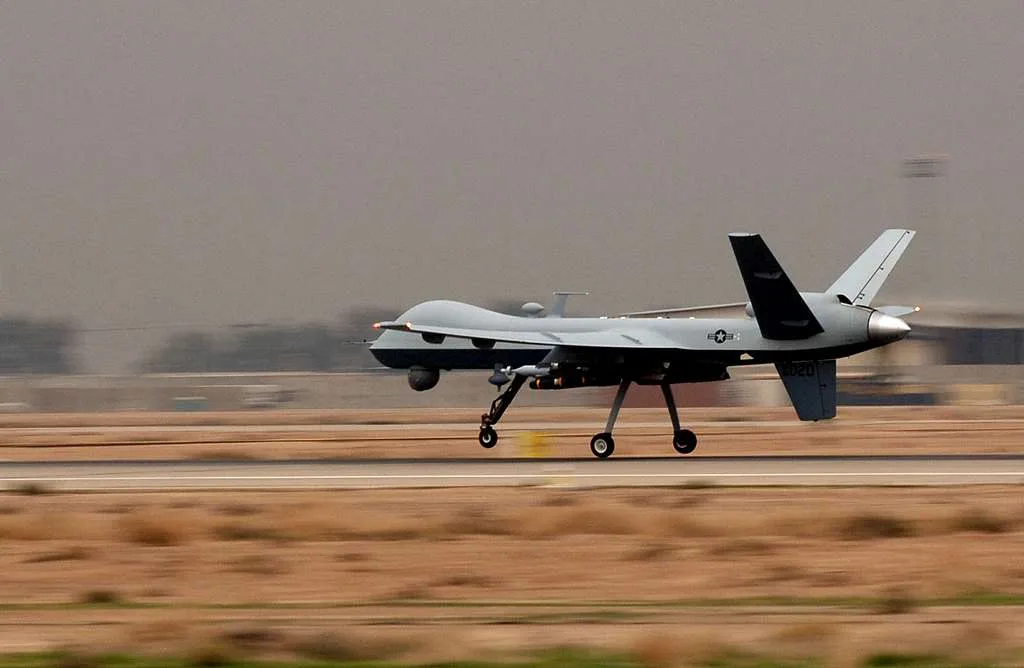
As AWS technologies advance, questions surrounding human oversight in lethal maritime decision-making persist. Modern systems categorized as human-in-the-loop, human-on-the-loop, and human-out-of-the-loop highlight variable levels of human involvement. Notable precedents include the Kargu-2 autonomous drone deployed in Libya, which reportedly operated independently in targeting decisions, raising alarms over compliance with international maritime humanitarian laws. The United States has recently updated Directive 3000.09 to redefine “human oversight,” suggesting a broadening scope for artificial intelligence in lethal roles. This shift further complicates accountability across naval operations, particularly in war zones.
On the international stage, naval drone development reflects security trends with significant implications for maritime defense. The U.S. Navy’s ongoing modernization includes integrating AWS for intelligence, surveillance, and vessel engagement, while China’s fast-paced drone advancement—driven by state-backed initiatives connecting military and commercial sectors—positions it as a key competitor. Russia has similarly prioritized drone proliferation, supporting widespread production to fortify its Black Sea operations. These developments highlight a growing accessibility to cost-effective drones for coastal defense, but also signal risks of misuse, particularly by non-state actors targeting commercial shipping lanes and civilian maritime infrastructure.
Why this matters
The acceleration of autonomous weapon systems poses operational and ethical challenges for the maritime industry, particularly as drones increasingly feature in naval conflict scenarios. Shipowners and charterers operating near contested waters or high-risk regions may face elevated security threats from weaponized drones capable of high-precision strikes on vessels or port infrastructure. This creates vulnerabilities that may impact insurance premiums, operational strategies, and routing decisions.
Regulatory inconsistencies surrounding AWS, including their deployment in maritime zones, complicate global governance frameworks for commercial and military operators. Varying national interpretations of human oversight requirements in naval drone operations exacerbate interoperability challenges among allied forces, potentially undermining multi-national maritime security coalitions. Furthermore, weak regulatory oversight risks enabling rogue states or non-state actors to field AWS, jeopardizing freedom of navigation and vessel safety on critical trade routes.
For shipowners and maritime stakeholders, the introduction of fully autonomous systems could lower the threshold for conflict escalation in contested waters, increasing the likelihood of vessel disruptions or collateral damage during clashes. As nations weigh the operational efficiency of AWS against legal compliance and ethical mandates, the shipping sector should monitor how naval and commercial uses of autonomous technology intersect in emerging policy frameworks.
The maritime sector must closely track developments regarding AWS integration, particularly international treaty discussions aimed at mandating human oversight in military decision-making. Maritime operators have a vested interest in safeguarding the integrity of global shipping lanes against AWS misuse while navigating the expanding role of autonomous systems in security protocols. Looking forward, the establishment of robust ethical and legal frameworks will be crucial to balancing technological capabilities with risk mitigation in maritime contexts.