The Maritime Safety Authority of Fiji (MSAF) has issued an urgent warning to vessel owners and operators following a fatal accident near Vio Island, Lautoka. The tragedy occurred on Sunday night when five individuals embarked on a fishing trip in a 19-foot fiberglass boat from Saweni to Cuvuli Reef. Around 8 p.m., the vessel encountered difficulties, leading to a distressing situation at sea. Abdul Ashif Hakh, the sole survivor, managed to raise the alarm the next day, setting off extensive search and rescue operations.
Joint teams from the Fiji Police Force, Fiji Navy, and MSAF are actively working to locate the missing individuals. The damaged vessel has been recovered and towed to port for inspection while MSAF confirms that a full investigation will be conducted to determine the cause of the accident and whether safety compliance standards were upheld at the time.
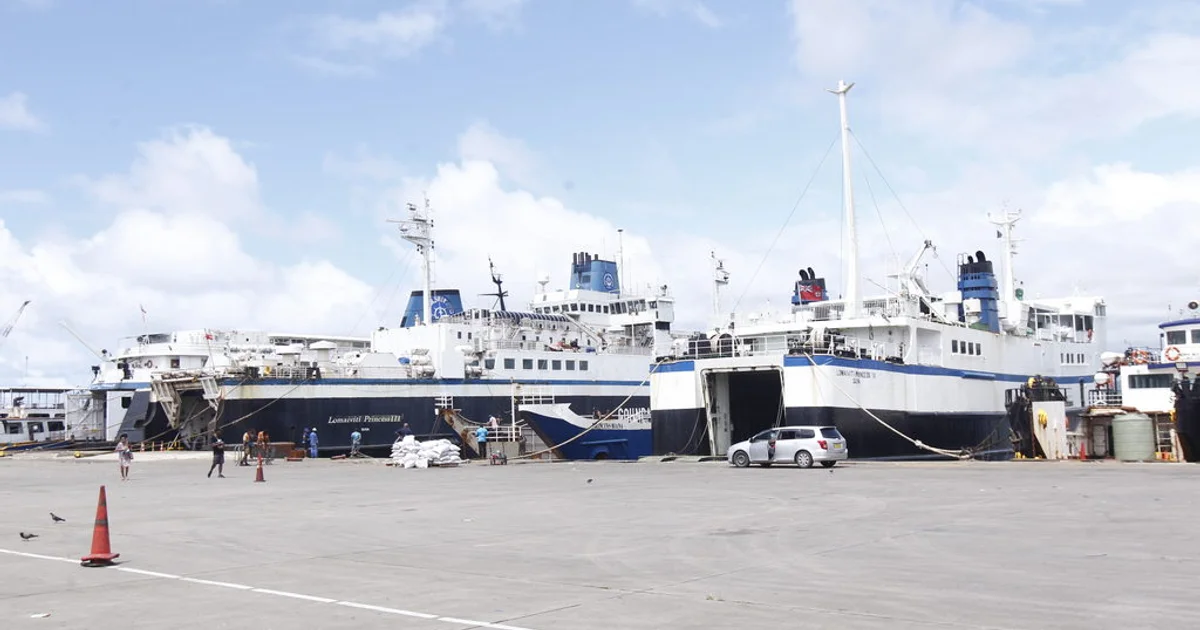
In response to the incident, MSAF has reiterated the critical importance of adhering to maritime safety regulations. The authority emphasized that vessels must be seaworthy, properly registered, and outfitted with certified lifejackets and lifesaving equipment. Additionally, it highlighted the need for mariners to check weather conditions before setting sail, urging vigilance amid Fiji's unpredictable ocean patterns.
According to MSAF, a false sense of security among seafarers continues to undermine adherence to safety protocols. The agency cautioned that calm waters can rapidly turn treacherous, leaving inadequately prepared crews at significant risk. Proper safety measures—such as mandatory use of lifejackets, meticulous planning, and vessel maintenance—are essential not only for ensuring personal safety but also for protecting rescue personnel engaged in emergency efforts.
Why this matters
Maritime safety compliance is essential to reducing preventable tragedies at sea, and this incident starkly illustrates the devastating consequences of neglect. For vessel operators, ensuring that boats are seaworthy and equipped with appropriate safety gear isn't merely a regulatory requirement—it serves as a life-preserving responsibility for crews and passengers alike. In Fiji, where fishing and small-scale vessel activity are integral to the livelihood of many communities, consistent adherence to safety protocols is critical to minimizing risks.
Regulatory and operational challenges persist for enforcement bodies like MSAF, which face the task of not only setting standards but also driving safety awareness among mariners. Incidents such as this highlight the need for proactive education campaigns to bridge gaps in compliance and cultivate a culture of vigilance on the water. For operators, failing to follow basic procedures—such as monitoring weather and wearing life-saving appliances—invites severe consequences and jeopardizes the broader maritime community's safety.
As Fiji continues to experience increased activity from artisanal fishing and small commercial vessels, authorities must remain steadfast in promoting a mindset that prioritizes preparedness and respects the intrinsic hazards of maritime environments.
Moving forward, the outcome of MSAF's investigation will likely shape regulatory enforcement efforts and safety campaigns, pressing the industry to adopt higher compliance standards across Fiji's coastal and offshore operations.