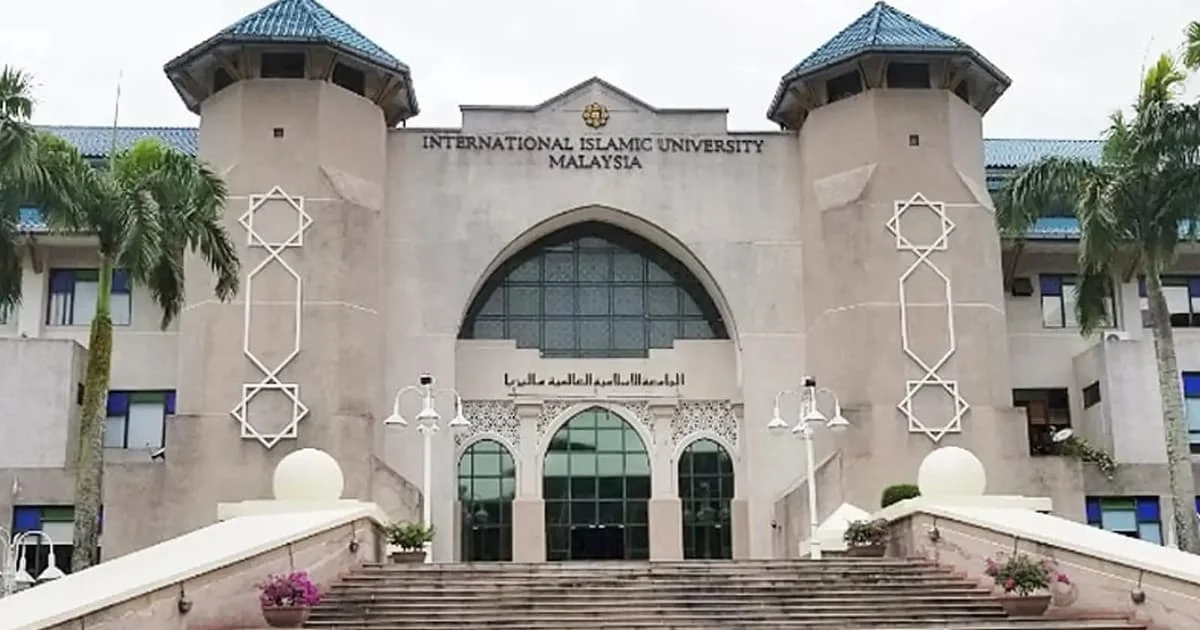
Solehah Yaacob, an Arabic language lecturer at the International Islamic University Malaysia (IIUM), has reaffirmed her controversial hypothesis that ancient Romans may have learned shipbuilding techniques from Malay seafarers. Solehah cites extensive research developed after completing her PhD in 2005, particularly studies rooted in classical Arabic sources, to support her argument. She emphasized the maritime prowess of the Malay Archipelago, contrasting it with the primarily continental nature of European civilizations during the Roman era.
Solehah's claims draw on a variety of scholarly works, such as publications by PY Manguin, an expert in Southeast Asian ship history, and RL Smith, who has written on premodern trade dynamics. She notes that prior to Egypt's conquest in 31 BCE and the subsequent Roman expansion of maritime capabilities, Romans were relatively inactive in naval pursuits. Their trade routes—such as those connecting Rome to Egypt—were limited in scope, and their focus primarily remained on acquiring high-quality iron for weaponry. Solehah also referenced the term “Al-qalʿa al-Rumi,” found in classical Arabic sources, which described Roman swords made from notable iron, linking Kedah, Malaysia, as a possible center of iron-smelting activity.
Addressing the challenges faced by Romans in long-distance shipping, Solehah suggested that the inadequacy of European timber forced them to seek maritime expertise from Egypt and potentially the Malay maritime civilization. This hypothesis aligns with evidence from museum archives in Australia pointing to Austronesian shipbuilders' mastery of deep-sea vessels. Historical accounts were also cited, asserting that a Malay individual was the first to circumnavigate the globe, affirming their advanced navigational capabilities.
Solehah further argued that historical classifications should account for identity shifts, including the distinction between “Malay” and “Austronesian.” She pointed to the Srīvijaya Empire as a prime example of an advanced maritime kingdom whose people were recognized as Malays long before European scholars introduced the term Austronesian in the 19th century.
Despite facing criticism, slander, and ridicule in public forums, Solehah expressed optimism that her claims on the historical contributions of Malay seafarers to global maritime history would be objectively evaluated. She urged for an acknowledgment of the Malays' compelling legacy as a civilization that excelled in seafaring, shipbuilding, and navigation.
Why this matters
If Solehah Yaacob's hypothesis gains broader acceptance, it could reframe global discussions on maritime history by placing Southeast Asia at the heart of early shipbuilding and navigation advancements. Such a perspective challenges longstanding Western-centric narratives, emphasizing the interconnectedness of civilizations and the transfer of technology across regions.
For historians and archaeologists, her claims open new avenues for investigating premodern trade routes and the role of Southeast Asia in fostering maritime innovation. Shipowners and maritime operators may also find commercial interest in showcasing the enduring influence of Southeast Asian shipbuilding techniques, with tangible evidence of Austronesian craftsmanship offering insight into sustainable design for modern vessels.
Furthermore, this debate underscores the importance of reviewing archival material in historical museums globally, particularly regarding deep-sea shipbuilding advancements. If more evidence emerges linking Malay maritime expertise to Roman naval development, it could reshape educational curriculums and public presentations of maritime history.
Solehah’s assertions, if substantiated through further scholarly inquiry, position Southeast Asia as a foundational contributor to global seafaring traditions, illuminating the legacy of Malay innovations in ship design and challenging conventional Eurocentric narratives in the maritime domain.