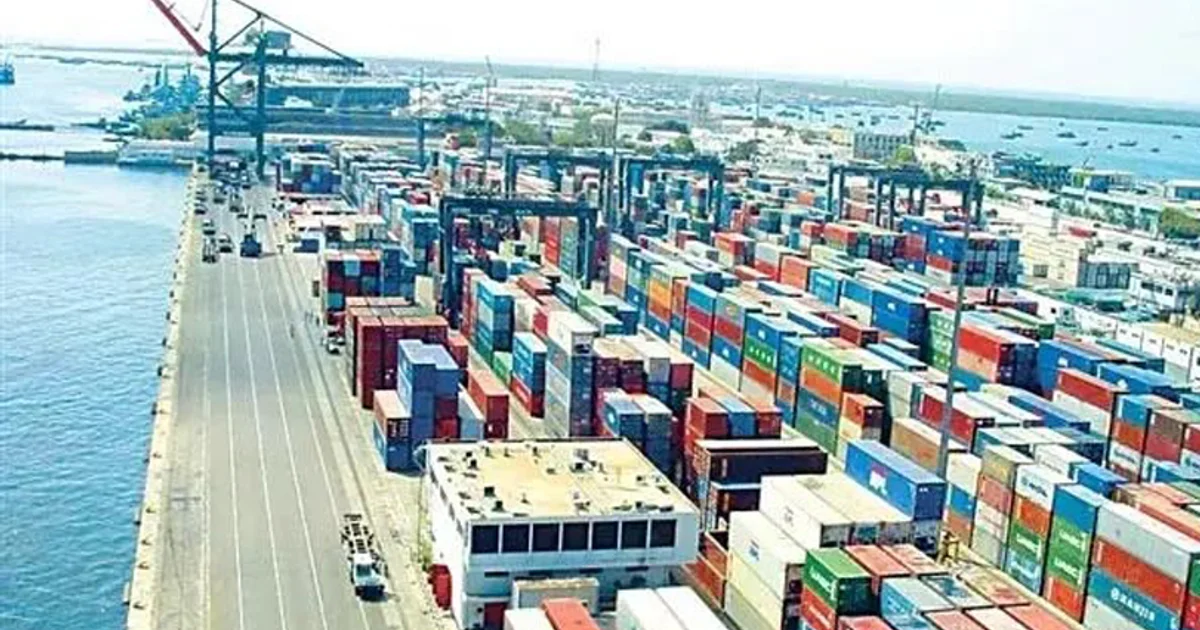
Junaid Anwar, an advocate for maritime development, recently met with to discuss extensive initiatives aimed at transforming Port Qasim into a premier gateway for trade in Pakistan. These proposals focus on enhancing the port's operational capacity, modernizing facilities, and positioning it as a key player in global maritime logistics.
Located near Karachi, Port Qasim represents a vital node for Pakistan's import and export activities. Its importance to the nation's economic infrastructure has intensified in light of growing cargo volumes and demands for expediting efficiency. Junaid Anwar outlined a suite of modernization projects during the meeting, including plans to improve cargo handling, leverage state-of-the-art technologies, and heighten the port's adaptability for accommodating larger classes of vessels.
An emphasis on collaboration defined the discussions, particularly the integration of private investment to complement public sector efforts. Stressing the importance of attracting international shipping lines, Anwar proposed measures to ensure Port Qasim's competitiveness in a dynamic maritime market. The PQA Chairman echoed these ambitions, highlighting mutual commitments to overcoming financial and logistical hurdles through strategic partnerships and infrastructural advancements.
Environmental considerations took center stage in the dialogue as well. Recognizing the sustainability imperatives, both parties agreed to pursue eco-friendly solutions in operational frameworks, aiming to reduce the port's environmental footprint and align development aspirations with global environmental standards. Specific measures to incorporate green technologies within cargo and shipping operations were commended.
Why this matters
Port Qasim's development initiatives directly impact Pakistan's standing in international trade, as enhanced port capabilities can significantly reduce cargo bottlenecks and amplify throughput efficiency. For shipping operators, the adoption of advanced technologies and larger vessel accommodation represents valuable operational cost benefits and streamlined transit schedules.
Private sector investment opportunities present immense potential for stakeholders in logistics, warehousing, and associated industries to contribute toward cost-sharing and technological deployment at the port. This trans-sector collaboration may set benchmarks for growth at regional ports aiming to compete globally.
Sustainability practices, increasingly demanded by international trades and regulatory frameworks, could establish Port Qasim as a model for eco-conscious port operations in South Asia, expanding its attractiveness to environmentally-minded shipping lines.
The modernization strategies discussed at this meeting are expected to accelerate infrastructural upgrades and financial investments in Pakistan's maritime economy, amplifying the country’s trade resilience and connectivity to larger global supply chain networks.