Marine pollution—stemming from plastics, chemicals, and oil spills—continues to escalate, posing critical risks to marine ecosystems and global environmental stability. While the ocean’s vast expanse might seem resilient, its vulnerability to human activities such as improper waste disposal, overfishing, rising carbon emissions, and maritime transport has reached alarming levels. Scientists and researchers warn that these pollutants threaten vital oceanic functions, including food security and climate regulation. With oceans absorbing approximately 25% of anthropogenic CO2 emissions annually, disruptions to these processes could have devastating climatic repercussions. Among the myriad pollutants, plastic waste remains a foremost concern, with an estimated 10 million tonnes deposited into the marine environment each year. This contamination primarily results from rivers and inadequate waste management practices, highlighting systemic failures onshore.
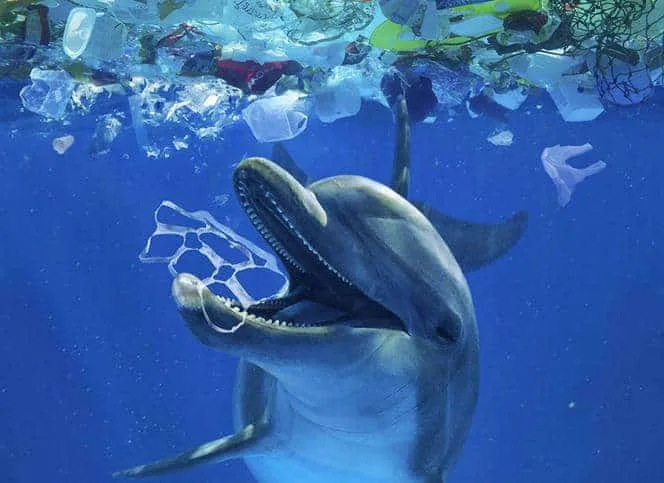
The pervasive impact of plastic pollution affects the entire marine food chain. From microscopic organisms like zooplankton to colossal whales, marine life ingestion of degraded plastic particles—microplastics—results in severe health impairments, including compromised feeding and reproductive capacity. Compounding this issue, microplastics act as carriers for toxic substances, amplifying their harmful effects on marine organisms. Addressing this problem requires prevention-focused strategies. While clean-up efforts, such as The Ocean Cleanup’s net technologies, contribute to alleviating surface waste, experts note these methods fall short in addressing the scale of plastic ingress. More sustainable solutions involve cutting plastic production, particularly single-use materials, improving recycling frameworks, and investing in innovative alternatives like biodegradable plastics and marine bacteria capable of degrading waste.
Oil pollution presents a comparatively more manageable challenge. Bioremediation—leveraging marine bacteria to break down oil spills—has shown promise in mitigating damage, providing an effective alternative to conventional clean-up techniques. However, despite its efficiency, this approach often faces neglect in favor of faster, less sustainable solutions. Chronic chemical pollution remains an equally pressing concern. Substances such as heavy metals and endocrine disruptors, termed persistent organic pollutants, accumulate in marine organisms, causing detrimental effects across aquatic eco-systems and extending to human populations via the seafood supply chain. Emerging research underscores the compounded dangers of low-dose chemical exposure and the “cocktail effect,” wherein interactions between multiple chemicals magnify their harmful impacts. Scientists argue that reformulating consumer products—cosmetics included—and imposing stricter regulatory controls to minimize harmful substances are critical steps to address these widespread challenges.
Why this matters
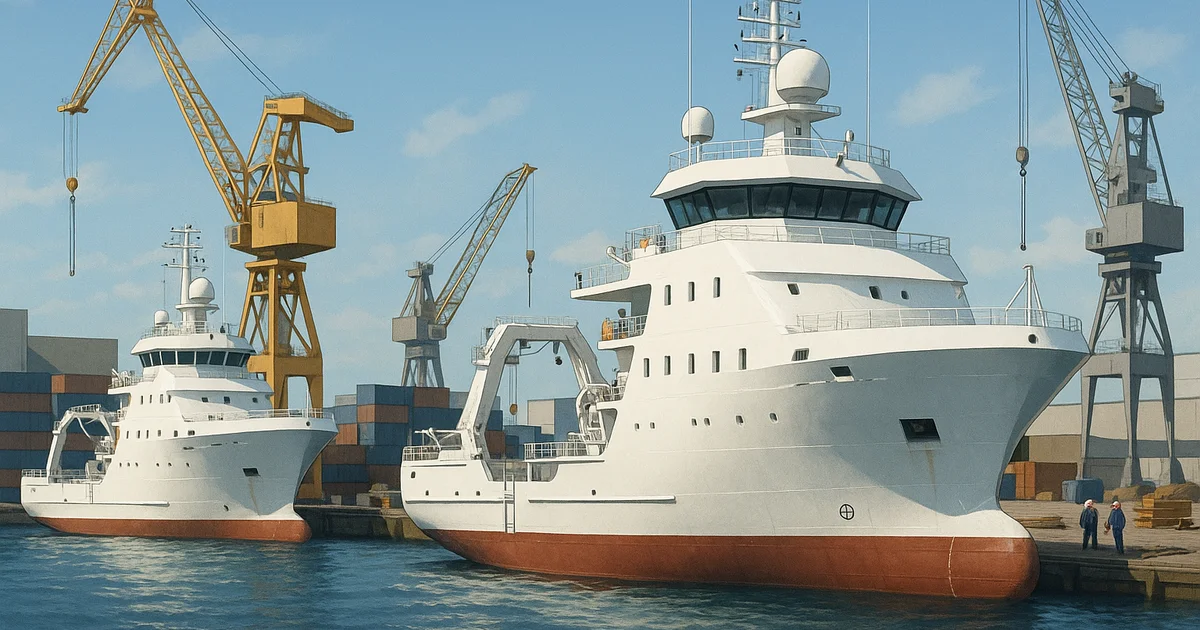
The cumulative effect of marine pollution challenges the industry’s ability to safeguard ocean health and maintain crucial ecosystem services. For shipowners and operators, increasing pollution introduces reputational risks linked to public scrutiny over maritime transport’s contribution to waste flows. Simultaneously, port authorities may face operational disruptions related to waterways affected by contaminants, complicating navigability and marine life management. Regulatory interventions targeting production and waste disposal could impose direct compliance costs on transport providers and manufacturers tied to the sector. With growing consumer demand for ‘eco-friendly’ logistics, carriers must adapt swiftly or risk competitive disadvantages.
Financial exposure also looms as bioremediation gains traction as a preferred response method for oil spill incidents. Stakeholders in the shipping and offshore sectors must evaluate insurance coverage adequacy for cleanup policies aligning with emerging bio-based remediation protocols. Beyond operational concerns, the industry’s role in enabling sustainable practices—through reduced emissions and improved disposal systems—forms the cornerstone of aligning with global climate goals.
The maritime and logistics sectors are poised to play an integral role in addressing onshore contributors to marine pollution. Optimizing procurement policies to enhance biodegradable packaging use and modernizing vessel operational procedures to minimize discharge will demonstrate leadership from within the industry. Regulatory shifts anticipated in chemical formulations and waste management practices could bring additional operational and compliance barriers, urging decision-makers to proactively reform their practice frameworks.