Maersk, a leading global integrated container logistics company, and Hateco Group, a Vietnamese company with interests in logistics and port operation, have announced a joint initiative to explore opportunities for the development of railway freight terminals in Vietnam. This collaboration aims to enhance the country's logistics infrastructure by potentially improving connectivity between key industrial regions and seaports.
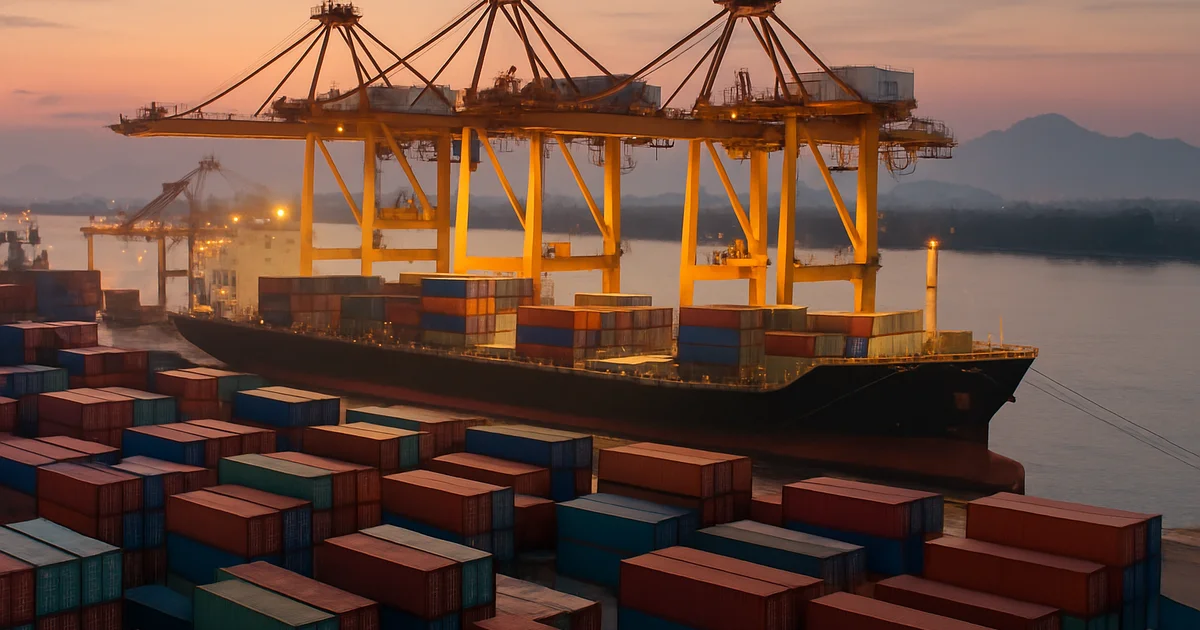
The partnership focuses on assessing the viability of establishing railway freight terminals that integrate efficiently with existing maritime and inland transport systems. By leveraging Maersk's global expertise in logistics and Hateco's experience in local infrastructure, the venture aims to improve the efficiency of cargo movement within Vietnam.
According to a statement from Maersk, the initiative will involve comprehensive feasibility studies to determine the most effective locations and operating models for the proposed terminals. These studies are expected to cover aspects such as land availability, existing rail connections, and anticipated cargo volumes.
Hateco Group, on its part, expressed optimism about the venture, seeing it as an opportunity to contribute significantly to the modernization and expansion of Vietnam's logistics landscape. The company highlighted the potential strategic importance of enhancing rail connectivity to support the country's burgeoning industrial and export activities.
Vietnam's strategic position as a critical hub in Southeast Asia's supply chain has been growing, prompting investments in infrastructure to support increased cargo flow. Developing railway freight terminals is seen as a step towards diversifying logistical options beyond road and maritime transport, thereby improving cargo transit times and cost-effectiveness.
Why this matters
The integration of railway freight terminals can significantly enhance Vietnam's role in the Southeast Asian logistics sector by facilitating quicker and more efficient cargo movement. This development is crucial for reducing dependencies on road transportation, which can be prone to congestion and delays.
For maritime operators and logistics providers, the prospect of improved rail connectivity presents opportunities to streamline operations and lower transit costs along key trade corridors. Enhanced intermodal connectivity will likely increase the competitiveness of Vietnamese ports and attract more shipping lines seeking efficient logistics solutions.
Given the importance of reliable logistics networks to global trade, investments in railway freight terminals may bolster Vietnam's status as a resilient link in the supply chain, capable of accommodating growing export demand.
The collaboration between Maersk and Hateco signals a proactive approach in modernizing Vietnam's logistics infrastructure. As the project advances, stakeholders in the maritime and logistics industries should monitor the outcomes of the feasibility studies and planned terminal developments, as these will shape future transport and investment strategies in the region.