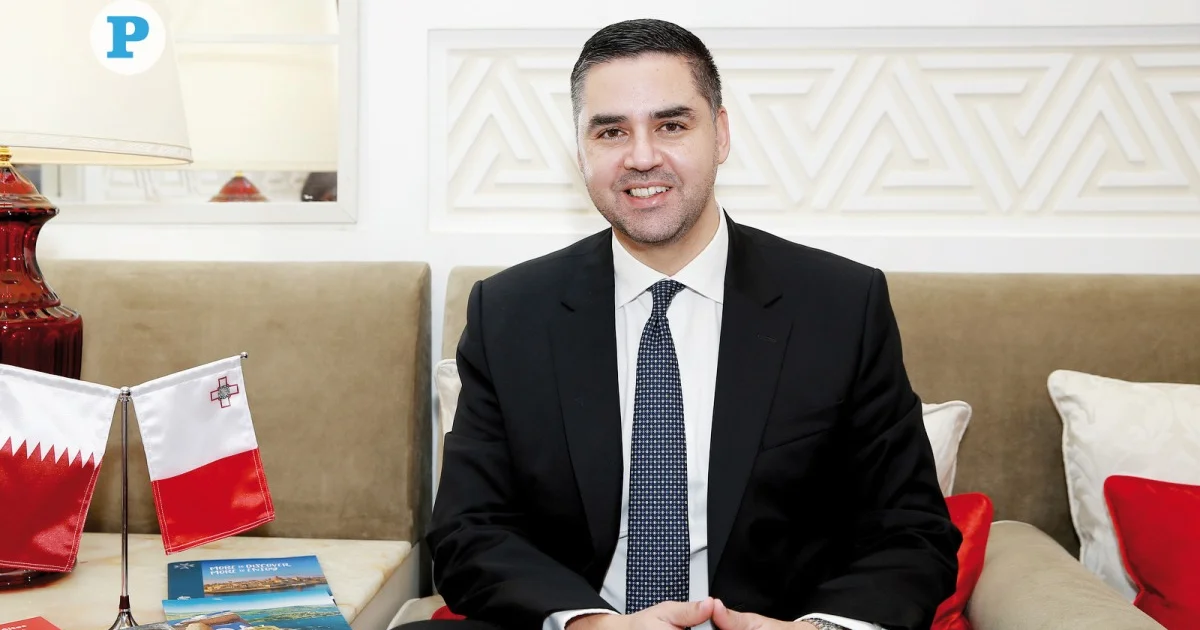
Malta and Qatar are deepening their partnership in maritime and aviation sectors as they approach the 50th anniversary of their diplomatic relations in 2025. Malta’s Deputy Prime Minister and Minister for Foreign Affairs and Tourism, H.E. Dr. Ian Borg, underscored the growing bilateral trade and tourism cooperation during his recent visit to Qatar, where he held talks with high-ranking officials, including Prime Minister H.E. Sheikh Mohammed bin Abdulrahman Al Thani. Strategic discussions revealed plans to enhance maritime and aviation connectivity, with emphasis on joint ventures across sectors such as finance, hospitality, and energy.
According to Dr. Borg, Malta has positioned itself as a valuable partner for Qatar, particularly in maritime and aviation services, as both countries aim to strengthen their economic ties. Discussions with executives from Qatar Airways and Qatar Tourism explored opportunities to boost tourism initiatives and improve air connectivity between the two nations. Dr. Borg praised Qatar's robust tourism growth and expressed Malta's intent to leverage its cultural heritage to attract a greater influx of Qatari visitors, potentially through targeted marketing campaigns and enhanced flight routes.
Dr. Borg’s diplomatic meetings also addressed pressing regional and global issues, including humanitarian crises in the Gaza Strip and Syria. He stressed Malta’s proximity to these troubled areas and the spillover effects on Europe as reasons for intensifying diplomatic efforts and humanitarian aid provisions. With Malta set to assume the presidency of the European Committee of Ministers at the Council of Europe (COE) in May 2025, Dr. Borg articulated plans to prioritize migration, regional security, and the needs of smaller states during its tenure. Drawing from Malta's experience as a non-permanent member of the UN Security Council, he advocated for international collaboration to address instability and threats to humanitarian rights.
Malta and Qatar plan to commemorate their five decades of diplomatic relations with various cultural, economic, and diplomatic events in 2025. Dr. Borg emphasized that these activities present opportunities to reflect on the historical partnership and explore pathways for future collaborations. Additionally, ongoing discussions aim to finalize new agreements to expand trade and tourism ties, ensuring sustained economic growth.
The burgeoning bilateral trade between the two countries, particularly in finance and hospitality, was highlighted as a promising area for development. Dr. Borg shared optimism regarding joint ventures across multiple industries and stressed Malta’s role in facilitating trade and logistics opportunities in the Mediterranean region. Both nations view tourism as a pivotal factor in strengthening ties, with cultural exchanges and bilateral visits expected to play a key role in fostering mutual understanding.
Why this matters
This reinforced partnership between Malta and Qatar carries significant implications for maritime operators, aviation service providers, and the broader logistics sector. Malta's geographical position in the Mediterranean enhances its role as a transit hub for Qatari exports, including energy resources and luxury goods, while improved flight frequency could bolster the passenger transport market. Air connectivity upgrades, driven by Qatar Airways, may open new air routes to Europe via Malta, benefiting regional tourism and trade flows.
The maritime industry stands to benefit as both nations strengthen port infrastructure cooperation. Malta's established position as a Mediterranean refueling and transshipment hub complements Qatar's energy export strategies. Increased collaboration in these sectors could also attract secondary investments, such as joint ventures in shipbuilding or terminal management.
Furthermore, Malta's upcoming presidency in the European Committee of Ministers at the COE is likely to influence how smaller states collaborate on migration and security—issues critical to both tourism operators and trade shipping routes. Enhanced humanitarian aid and diplomatic engagements may lead to increased logistical and cargo movement through Malta, further integrating European and Middle Eastern trade corridors.
As the 50th anniversary of diplomatic relations draws near, enterprises in tourism, trade logistics, and maritime domains must prepare to capitalize on operational synergies arising from these discussions. This collaboration signals sustained economic and geopolitical priorities for both nations, underpinned by renewed commitments to connectivity improvements and joint ventures.
The expansion of bilateral agreements and Malta’s strategic diplomatic role will likely reshape industry dynamics in the coming years, influencing service providers and operators in aviation, maritime, and tourism sectors. Stakeholders should monitor forthcoming agreements between Malta and Qatar, particularly those that affect port operations, flight schedules, and cultural exchange programs.