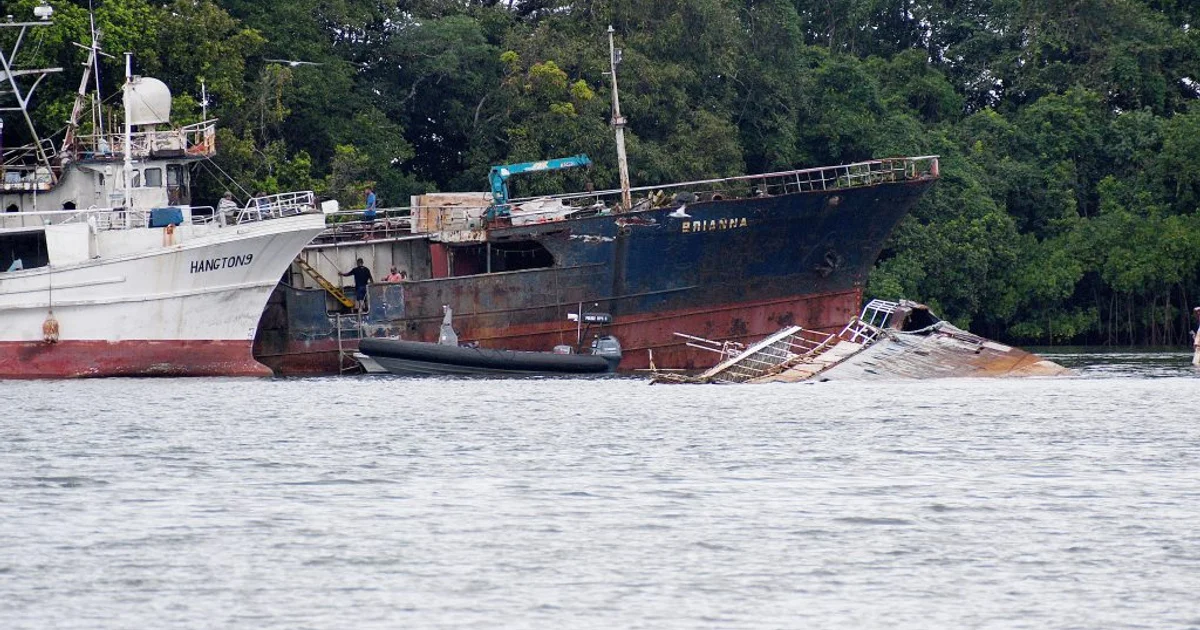
The Maritime Safety Authority of Fiji (MSAF) has publicly admitted that it lacks formal maritime safety standards, raising critical concerns about the security of vessels navigating Fijian waters. Speaking recently, Joweli Cawaki, Chief Executive Officer of MSAF, disclosed that the agency is working towards developing safety protocols while acknowledging its current shortcomings. Cawaki revealed plans to establish MSAF offices at all local jetties as part of an effort to enhance maritime oversight, but stated that the authority is not yet at the level of readiness required to meet safety demands, emphasizing the urgent need for progress.
“We are trying hard to get there,” Cawaki remarked, addressing the lack of defined safety standards. Key among MSAF’s planned initiatives is the auditing of all vessels operating within Fiji’s territory, including smaller craft used for inter-island travel. Cawaki stressed the importance of ensuring that vessels, whether public or private, meet adequate safety requirements to maintain the confidence of passengers and cargo owners. Despite the initiative, he acknowledged that the agency’s current capacity does not align with the critical safety expectations of Fiji’s maritime transport sector.
Fiji's reliance on maritime transport is significant, particularly for inter-island connectivity between major locations like Viti Levu and Vanua Levu, as well as smaller islands. The absence of established safety standards threatens passenger security and cargo integrity, creating vulnerabilities in a sector vital to the economy and everyday life. While MSAF aims to extend its presence to all jetties as part of its oversight plan, stakeholders have raised concerns about the delayed implementation of these measures.
Cawaki reiterated MSAF's commitment to protecting not only lives but also the marine environment. He underscored the fundamental safety principle of assuring passengers that vessels will safely depart and arrive at their destinations. Furthermore, he warned that inadequate vessel surveys could lead to declining confidence among users of Fiji's maritime services, further highlighting the risks stemming from the absence of stringent and enforced safety protocols.
Why this matters
The absence of formal maritime safety standards in Fiji has operational implications for ship operators, charter companies, and local maritime businesses serving the island communities. Without clear guidelines, vessel operators face uncertainty about inspection criteria and compliance requirements, exposing them to increased operational risks and potential liabilities. This may also result in elevated insurance premiums due to the heightened perceived hazard.
For shipowners, the lack of enforced standards creates reputational risks if safety incidents occur, while inconsistent oversight threatens operational continuity. The absence of regulatory clarity could deter investment in newer and safer vessels due to concerns about undefined compliance burdens. Cargo shippers, too, may face delays and losses, undermining confidence in the reliability of maritime logistics.
The safety gap also places strain on Fiji's regulatory capacity, with significant consequences for its maritime transport sector. With inter-island travel forming the backbone of daily mobility for many Fijians, prolonged inaction on safety measures increases exposure to accidents that could disrupt key trade routes and passenger networks.
Looking ahead, the successful establishment of offices at local jetties will be crucial for MSAF to deliver improved oversight and tighten enforcement. Stakeholders should monitor the timeline for expanding regulatory infrastructure and ensure that proposals translate into actionable, enforceable standards that safeguard both human life and cargo integrity across Fiji's waters.