Oil prices experienced a significant decline last week, falling by ten dollars due to a combination of factors. The Brent crude benchmark dropped to below $64, while West Texas Intermediate (WTI) fell to just over $60, marking the lowest prices since April 2021, during the height of the pandemic. Analysts have identified three main drivers for this decrease: former President Trump’s tariffs on Chinese goods, a surprising decision by eight OPEC+ members to expedite the unwinding of voluntary production cuts, and retaliatory tariffs from China targeting U.S. products.
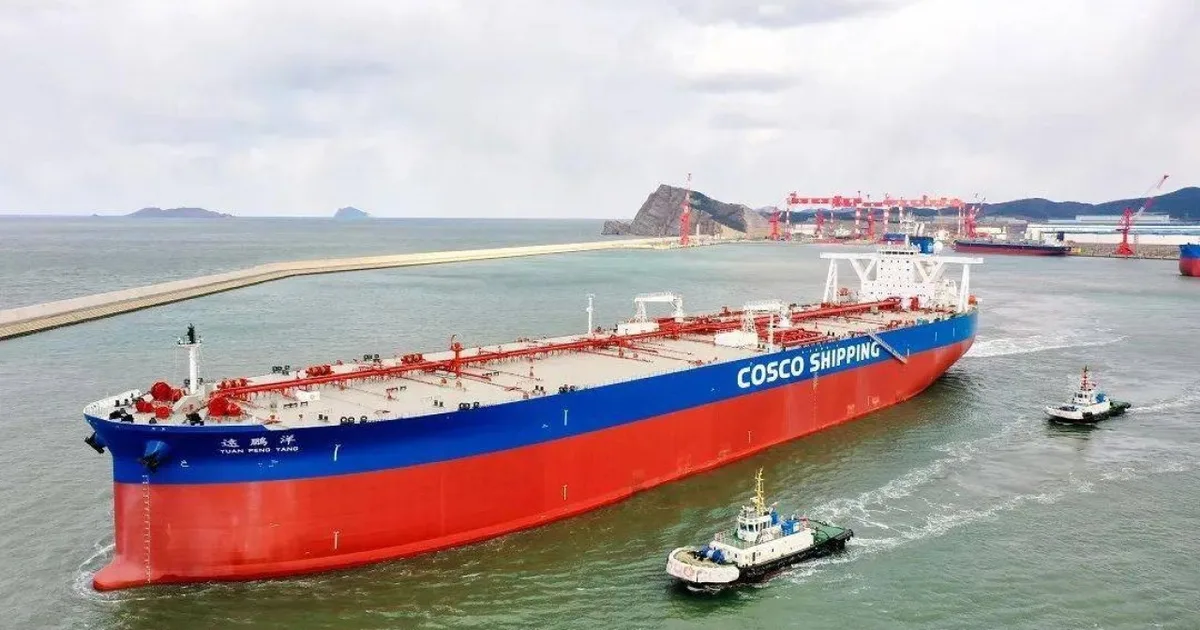
In the wake of these price drops, the tanker market, particularly Very Large Crude Carriers (VLCCs) and Suezmax vessels, is expected to benefit from increased long-haul oil shipments. A report from Poten & Partners highlighted that the crude oil from the OPEC+ members involved in the production cuts—Saudi Arabia, Russia, Iraq, the UAE, Kuwait, Kazakhstan, Algeria, and Oman—will predominantly be transported by VLCCs (66%), with Suezmaxes accounting for 18% and Aframaxes for 15%.
Moreover, there is potential for a boost in the tanker market due to Russian Urals crude now being priced below the established price cap. This development opens the market to mainstream tanker owners, positioning their vessels as substitutes for those in the ‘dark fleet’—tankers operating outside of traditional regulatory frameworks.
However, despite these opportunities, the broader economic outlook has become increasingly precarious. The decision by the eight OPEC+ members to increase oil production has raised questions, as the rationale behind this choice is unclear. While OPEC pointed to healthy market fundamentals and a positive outlook, many analysts dispute this optimism. Trump’s tariffs have sparked concerns over a significant shock to the global economy and a potential slowdown, suggesting that tanker owners might soon face challenging market conditions.
In summary, while the recent drop in oil prices presents some short-term opportunities for the tanker industry, the overall economic landscape suggests caution. Analysts are watching closely to see how the interplay between production decisions, trade tariffs, and the global economy will shape the future of oil markets and the maritime transport sector.