Summary
Leaders from the four largest Pacific Island nations—comprising the Melanesian Spearhead Group, which includes Solomon Islands, Papua New Guinea, Vanuatu, and Fiji—recently postponed the adoption of a joint security strategy aimed at enhancing maritime security amidst growing geopolitical tensions in the region. The delay, stemming from a meeting held on June 23 in Fiji, highlighted ongoing discussions around various sensitive topics, including Taiwan, which complicated consensus among the member nations.
Papua New Guinea’s Foreign Minister, Justin Tkatchenko, noted that while there was a desire for collaboration, the differing positions of member nations posed challenges to finalizing the strategy. The Melanesian Spearhead Group has become a focal point in the strategic rivalry between China, Australia, and the United States. While this group, partly funded by Beijing for its headquarters in Vanuatu, has expressed a willingness to consider China as a security partner, the larger 18-member Pacific Islands Forum has firmly rejected any such ties, advocating instead for self-sufficiency in regional security matters.
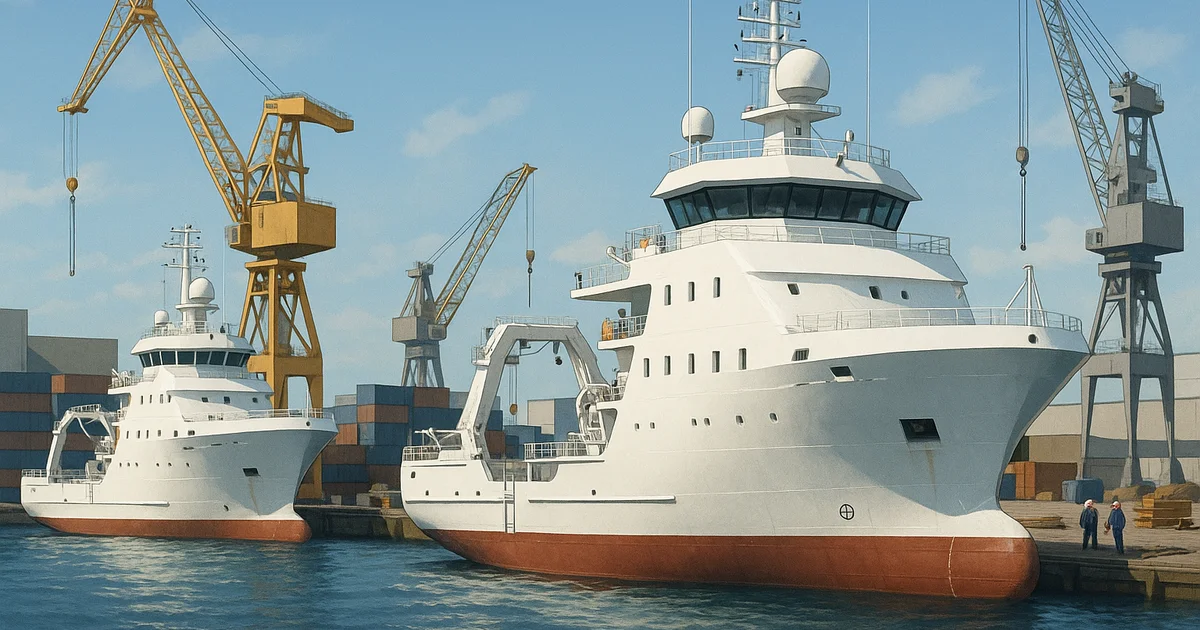
Among the member nations, the Solomon Islands and Vanuatu have notably closer ties to China, especially concerning policing, while Papua New Guinea maintains security agreements with both the U.S. and Australia. Fiji benefits from a defense partnership with Australia. Amidst these dynamics, Australia has pledged to counter illegal fishing in the Pacific, announcing a doubling of funding for aerial maritime surveillance to A$477 million through civilian aircraft and drones. This move comes as concerns rise over China’s significant fishing fleet and its recent demonstration of coast guard capabilities to Pacific Island ministers.
Australia’s Pacific Minister, Pat Conroy, attended the Melanesian Spearhead Group meeting for the first time and emphasized Australia’s role as the largest trading partner for each member country. He reiterated that “the Pacific is best served by Pacific-led institutions and processes,” opposing any involvement of China in Pacific policing. Solomon Islands Prime Minister Jeremiah Manele, while acknowledging progress on the security framework, did not specify which partners might be involved in regional security efforts.
In a related development, Conroy announced Australia’s provision of 60 police vehicles and additional support for cybersecurity and road improvements in Honiara, intended for hosting the upcoming Pacific Islands Forum leaders’ meeting in September. This offer of A$100 million to bolster the Solomon Islands’ police force has yet to receive a formal response.
Overall, the region remains crucial for geopolitical maneuvering as Australia intensifies its engagement with Pacific nations in response to perceived threats from China. The ongoing discussions within the Melanesian Spearhead Group underline the complexities faced in establishing a cohesive security framework that accommodates the diverse interests of its member nations.