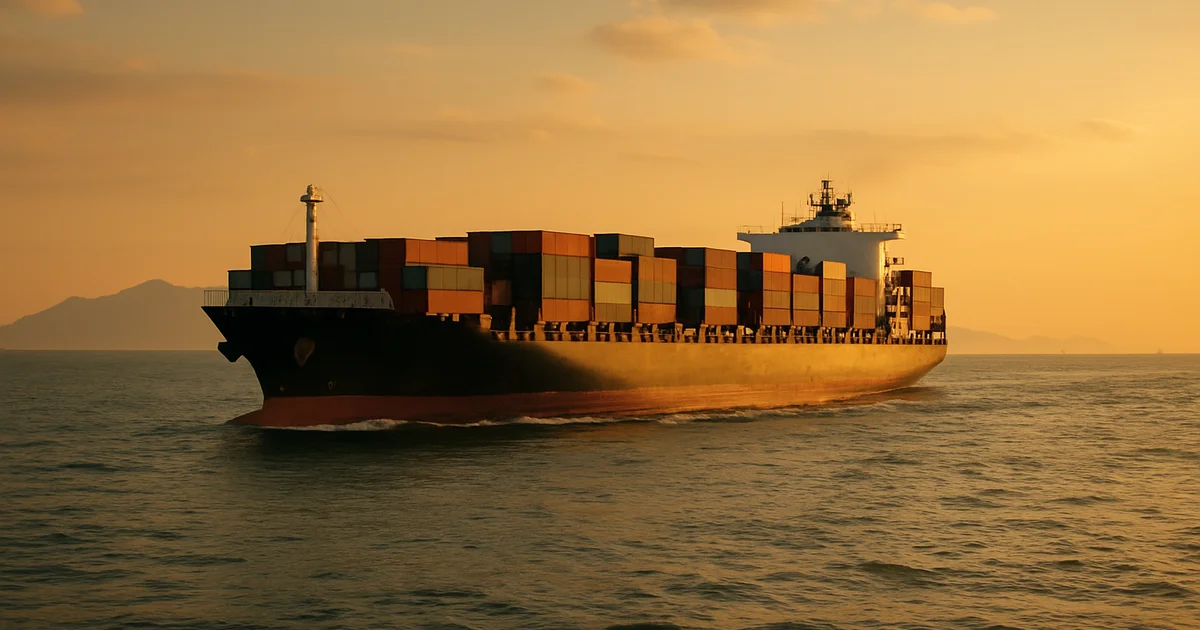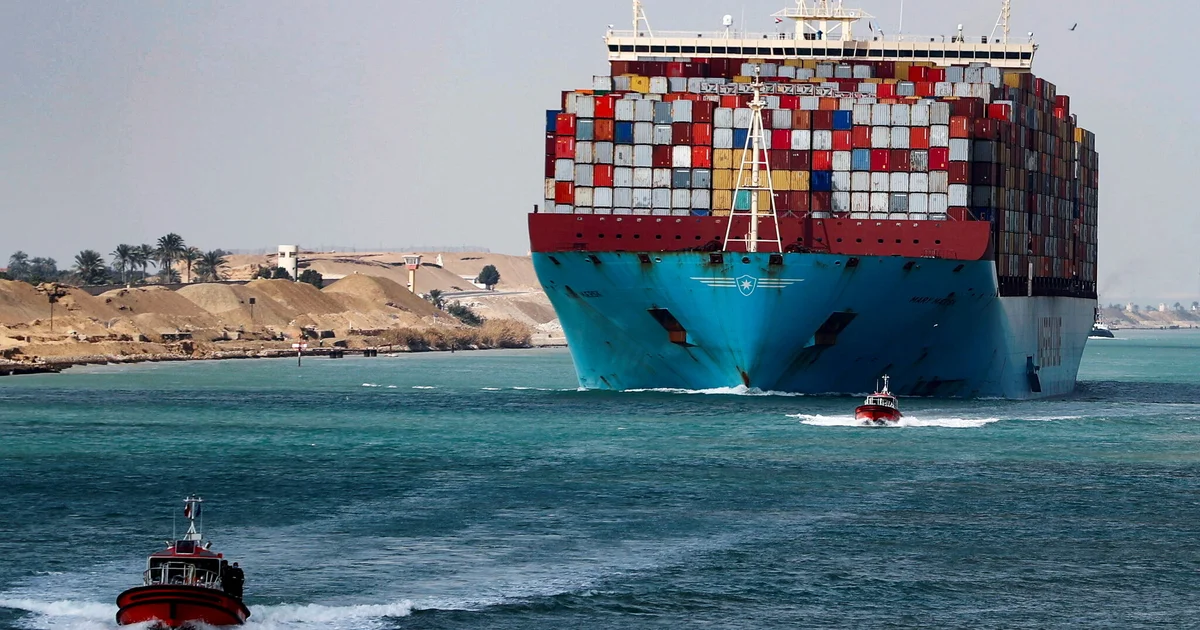
Pakistan has proposed the creation of direct feeder shipping links with Malaysia to reduce freight costs and accelerate transit times, as part of a broader push to deepen maritime cooperation between the two nations. The initiative, outlined by Muhammad Junaid Anwar Chaudhry, Pakistan's Federal Minister for Maritime Affairs, during a meeting with Datuk Hasbi bin Habibollah, Malaysia's Deputy Minister of Transport, seeks to streamline trade routes and bolster economic ties. The talks, held in the United Kingdom, also reviewed existing maritime relations and identified areas for collaborative projects, including training programs, digital systems, and port modernization efforts.
A centerpiece of the discussions was the introduction by Pakistan of a draft Memorandum of Understanding (MoU), aimed at enhancing seafarer training through a bilateral cadet-exchange program. This program is envisioned as a step forward in building professional capacity for young seafarers and fostering long-term maritime collaboration. Additionally, Pakistan invited Malaysia to explore its Pakistan Single Window system—a fully operational digital port-monitoring and cargo clearance platform already deployed at Karachi Port and Port Qasim. The system has been positioned to improve transparency, reduce cargo processing times, and support operational efficiency.
Under the proposed feeder connections, Pakistani ports at Karachi and Port Qasim would be directly linked to Malaysian ports, with extended access to Indonesian ports. According to Chaudhry, these routes will benefit key trade commodities, including rice shipments from Pakistan to Southeast Asia and edible oil imports from Malaysia and Indonesia. The redesigned trade links are expected to cut reliance on transshipment hubs, save transit costs, and improve logistical dynamics for both nations.
Malaysia, for its part, expressed interest in utilizing Pakistan's maritime training initiatives to strengthen its transport-sector modernization. The collaboration aligns well with Malaysia's regional logistics-integration strategy, which prioritizes efficiency gains and greater connectivity within ASEAN and beyond. Both sides noted the importance of holding further technical consultations to finalize the proposed MoU, develop training frameworks, and establish joint mechanisms needed to operationalize the cadet-exchange program.
Why this matters
Direct feeder links between Pakistan and Malaysia could significantly optimize freight logistics, circumventing current transshipment dependencies and driving down costs for exporters and importers alike. This is particularly critical for Pakistan’s rice producers, whose shipments to Southeast Asia rely on efficient maritime connections. For Malaysia, a streamlined supply chain for edible oil exports—one of its leading commodities—bolsters trade competitiveness in South Asia.
The emphasis on digital systems, such as the Pakistan Single Window platform, highlights a technological opportunity for Malaysia in achieving port modernization goals. Meanwhile, the cadet-exchange program paves the way for long-term talent development within the maritime labor market—an area increasingly vital as global fleet expansion drives demand for trained seafarers.
Operationally, the proposed collaboration offers mutual benefits across trade, logistics, and workforce development, while advancing both nations' strategic ambitions for regional maritime integration. The success of these initiatives could set a precedent for other bilateral partnerships focused on streamlining cargo flows within and beyond Southeast Asia.
The upcoming technical consultations and potential finalization of the MoU will act as the next milestones, determining how effectively the proposed feeder links, training programs, and digital modernization efforts are implemented. For maritime operators, the evolving Pakistan-Malaysia cooperation underscores emerging opportunities for efficient trade lanes and workforce skill enhancement in the region.