Panamanian authorities recently conducted significant raids on the offices of Panama Ports Company, the former operator of two critical canal terminals, due to an anti-corruption investigation. This operation, spearheaded by anti-corruption prosecutor Azael Samaniego, was prompted by allegations that the company withheld operational documents crucial for regulatory oversight. Over 100 boxes of records were seized from three different locations in the Albrook district of Panama City.
The investigation began independently and aims to uncover potential crimes associated with incomplete document submissions by the Panama Ports Company. Suspicions have arisen that the firm concealed vital information regarding its management of the Balboa and Cristóbal terminals, essential nodes in global shipping through the Panama Canal. These allegations stem from reports of withheld information throughout the company’s nearly three-decade operation.
This revelation follows a significant legal shift wherein the Panama Maritime Authority assumed control of the Balboa and Cristóbal ports as of February 23, 2026. This decision came in the wake of a Supreme Court ruling that deemed the company’s concession unconstitutional. The ruling, which found that Law 5 of 1997 and its 2021 extension violated constitutional norms on public contracts and national assets, stripped the legal basis for Panama Ports Company’s operations. Authorities noted that the contractual agreements granted the company excessive privileges without sufficient oversight, undermining public interests.
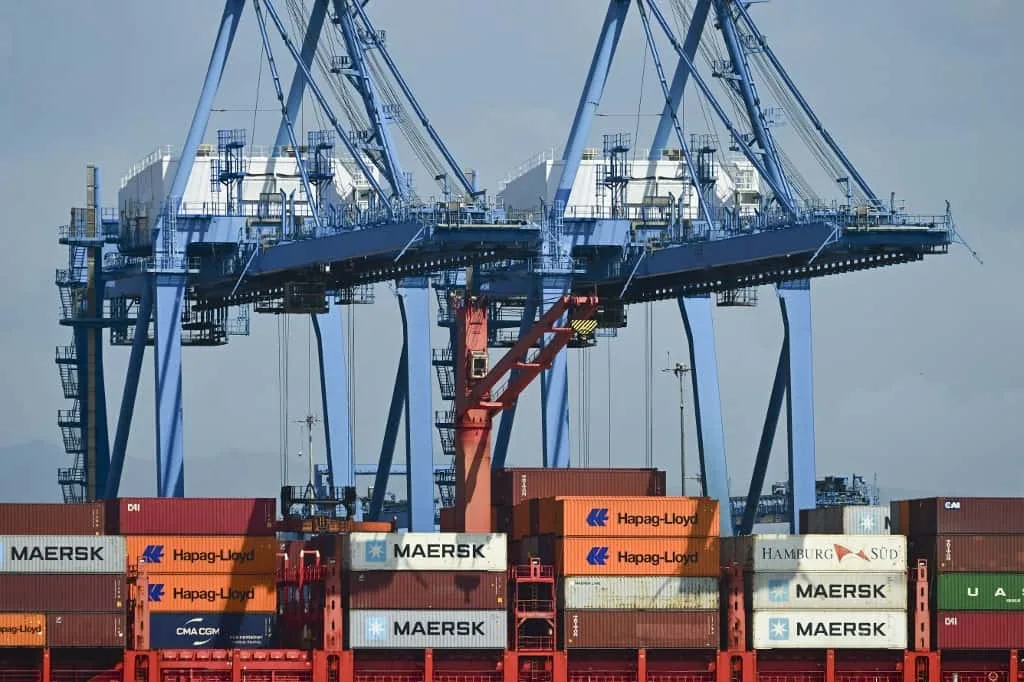
In response to this ruling, the administration of President José Raúl Mulino issued Executive Decree No. 23, empowering the Panama Maritime Authority to take over the terminals and necessary assets for urgent social and economic needs. The decree is designed to ensure operational continuity while preventing permanent loss of property. To maintain service during this transition, the government allocated temporary 18-month concessions to two firms: APM Terminals, which is affiliated with Maersk, is managing Balboa on the Pacific side, and Mediterranean Shipping Company’s Terminal Investment Limited handles Cristóbal on the Atlantic side. Labor Minister Jackeline Muñoz assured that the transition would not lead to job losses, enhancing workforce stability.
Panama Ports Company, a subsidiary of CK Hutchison Holdings based in Hong Kong, has managed the concession since 1997, processing millions of containers annually and contributing to 5% of global maritime trade. The shift has raised tensions regarding foreign control of strategic infrastructure. CK Hutchison criticized the takeover as unlawful and suggested it results from state-hostile actions against its subsidiary. The company has initiated international arbitration under bilateral investment treaties, signaling its intention to pursue further legal action.
On the diplomatic front, China’s Hong Kong and Macao Affairs Office termed the Supreme Court ruling “absurd,” accusing Panama of succumbing to external pressures. In contrast, U.S. officials viewed the ruling favorably as it aligns with strategies to limit foreign influence over regional assets. Secretary of State Marco Rubio emphasized the risks posed by foreign control during his visit to Panama.
As the investigation continues, it may have lasting implications for Panama’s foreign investment climate. The Public Ministry will assess the seized documents to determine whether charges are warranted. The full impact of the Supreme Court’s ruling is expected to unfold over the coming months, potentially reshaping the landscape of partnerships in one of the world’s busiest trade corridors. The Panamanian government plans to initiate a competitive bidding process for a permanent concession following the interim arrangements.