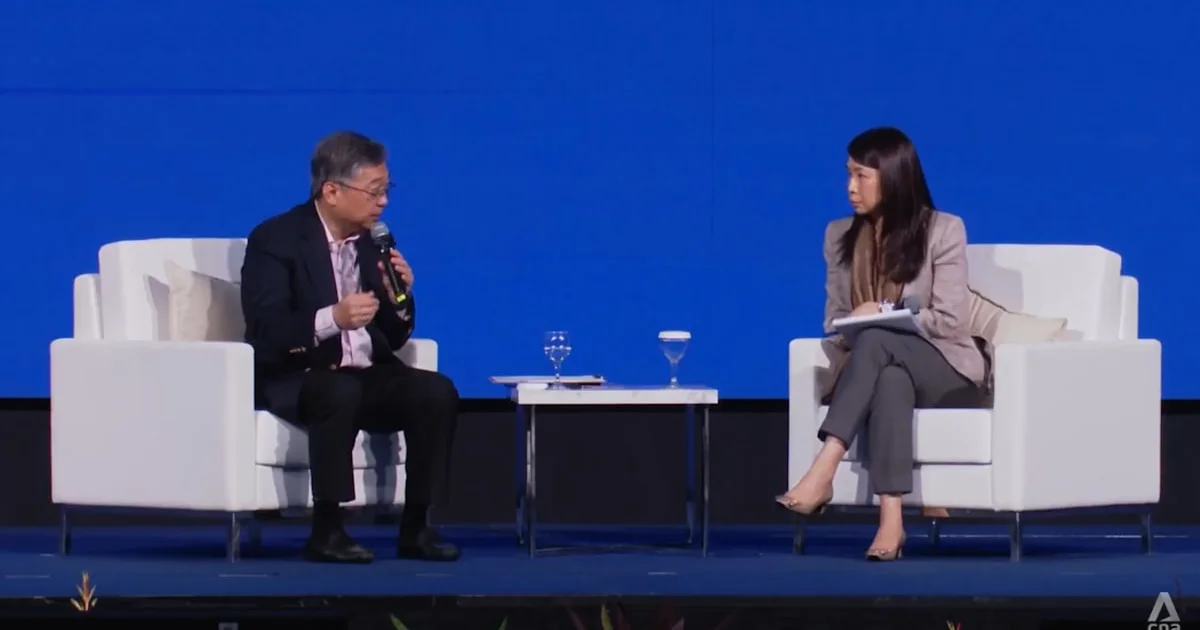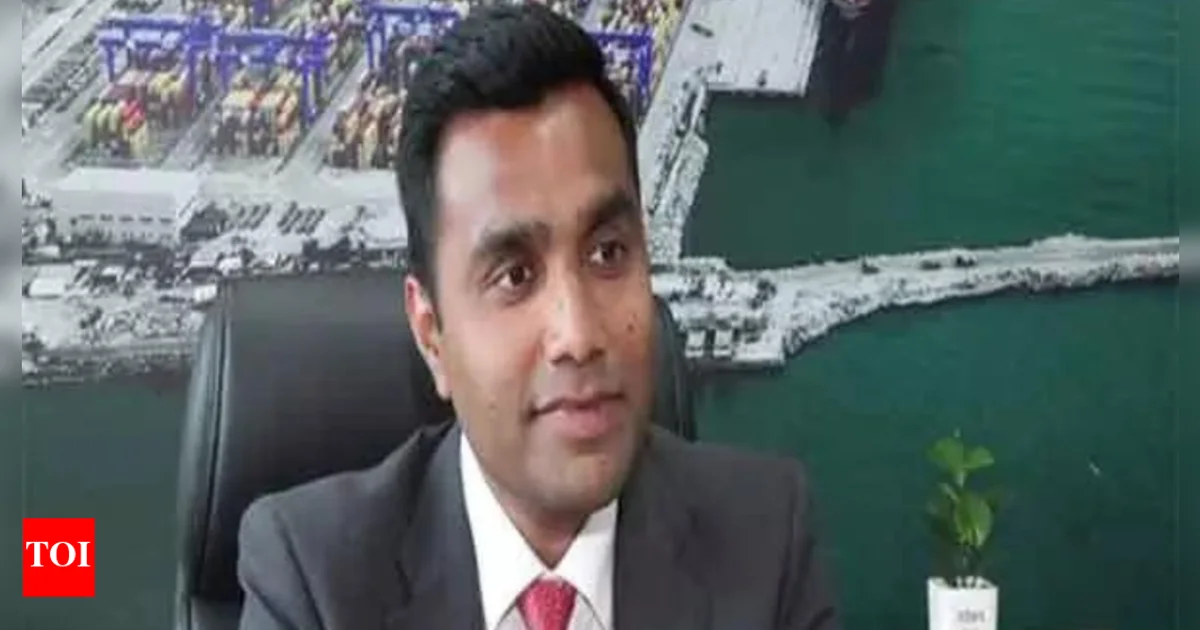
Adani Ports & SEZ, a flagship entity of the Adani Group, is executing a strategic shift to expand its footprint across the entire logistics value chain. Karan Adani, Managing Director of the company, underscored this ambition, stating that the firm aims to move beyond traditional port activities and transform into a fully integrated transport utility serving importers and exporters. Speaking on the company’s strategic vision, Adani emphasized, “We don’t want to be limited to just being a port player,” highlighting its focus on comprehensive logistics services spanning port operations, rail networks, warehouses, trucking, and marine services. He also revealed plans to anticipate cargo flows up to 20 years into the future, signaling a long-term approach to sustainable growth.
While port operations are set to remain the cornerstone of Adani Ports’ revenue generation for the next five years, Adani conveyed that the logistics segment is poised to outstrip port activities in importance over the next decade. The company demonstrated its growth trajectory through robust financial results, with a profit of ₹11,061 crore on revenue of ₹30,475 crore for FY25, marking a 37 percent surge in profit and a 14 percent revenue increase from FY24.
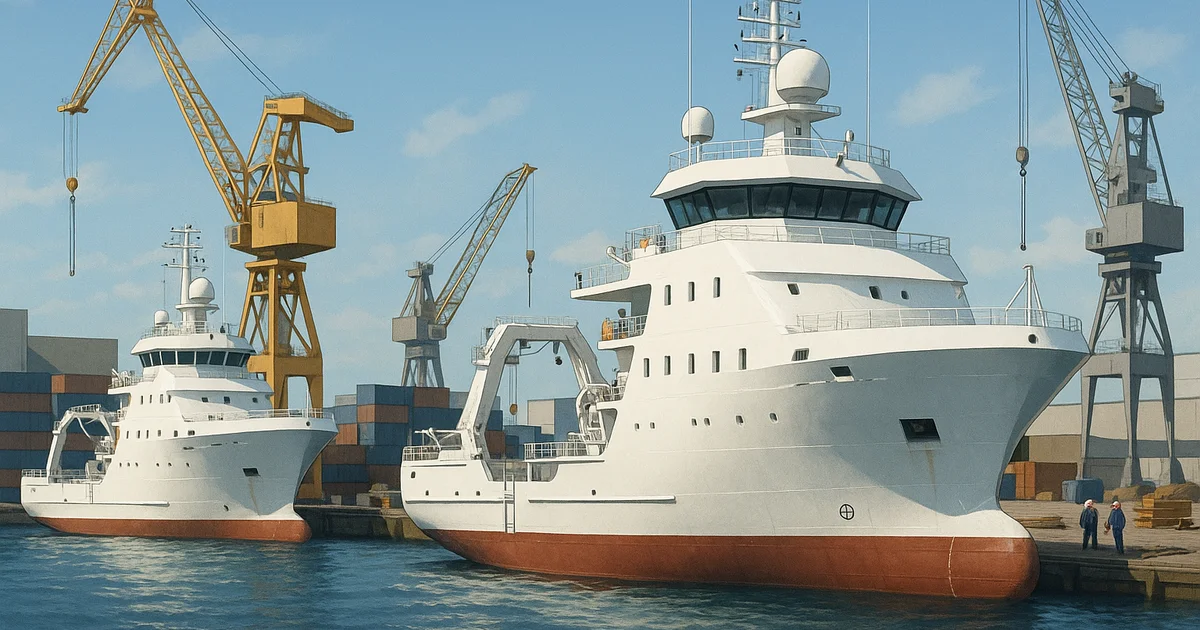
Karan Adani, son of Adani Group founder Gautam Adani, transitioned to Managing Director of Adani Ports in January 2024 after years of operational engagement, starting at Mundra Port—the company’s largest facility. Under his leadership, the group is pursuing expansion via both organic growth and acquisitions. A testament to this strategy is the acquisition of Ocean Sparkle, enhancing the company’s marine services division and complementing existing operations. Further, Adani expressed willingness to explore distressed logistics assets for potential acquisitions, reflecting its pragmatic and opportunistic approach to growth.
Since its public listing in 2007, Adani Ports has successfully acquired more than a dozen assets within domestic and international markets, solidifying its presence through strategic consolidation. Despite the increasing focus on logistics services, the company has no immediate plans to rebrand under a broader business name, although this evolving transformation underscores a significant reshaping of its operational identity.
Why this matters
The strategic expansion of Adani Ports from a traditional port operator to a full-fledged logistics powerhouse has profound implications for the maritime and logistics sectors. By integrating services such as rail networks, warehousing, trucking, and marine operations, the company can streamline cargo movement, reduce operational bottlenecks, and deliver value across the supply chain. This positions Adani Ports as a competitive player in the transport utility space, challenging traditional logistics service providers while setting a new operational paradigm for port-based companies.
For importers and exporters, Adani Ports’ diversification promises enhanced end-to-end service capabilities, reducing dependency on fragmented logistics networks. This transformation also brings opportunities for ancillary industries like freight forwarding and warehousing, which stand to benefit from increased demand propelled by the company’s broader logistics offerings.
On a strategic level, Adani’s openness to acquiring distressed assets signals a proactive approach to market consolidation, allowing the firm to capitalize on undervalued opportunities and expand its footprint economically. Such acquisitions are likely to further reinforce Adani Ports’ dominance in an increasingly competitive and diversified logistics ecosystem.
Going forward, industry observers should watch for Adani Ports’ logistics segment to expand its influence on revenue streams, potentially altering competitive dynamics in India's transport and logistics industry. The continued focus on acquisitions and integration points to an aggressive growth trajectory, with implications for international partnerships and infrastructure investments in key trade corridors.