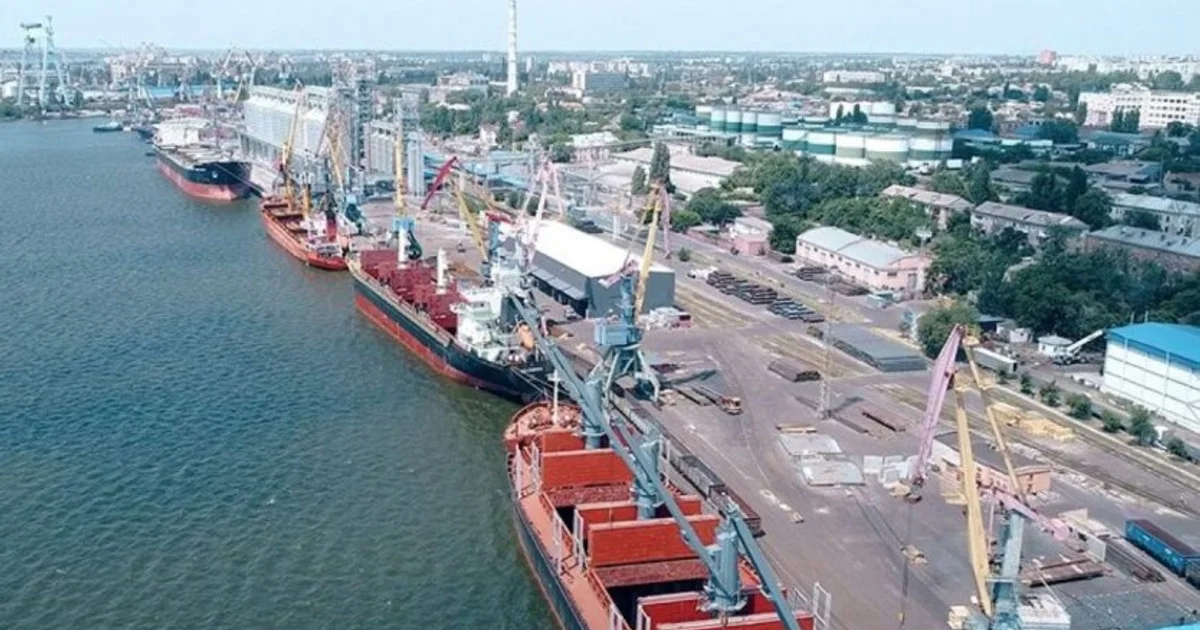
The closure of sea ports in Ukraine's Mykolaiv region continues to exert profound economic pressure, particularly on local businesses and the agricultural sector. Vitaliy Kim, head of the Mykolaiv Regional Military Administration, underscored the severity of the situation, revealing that enterprises are forced to redirect their operations through alternative export channels in neighboring Ukrainian regions. This shift has introduced substantial logistical and financial challenges, complicating efforts to maintain business continuity during the prolonged blockade.
For farmers in particular, the upheaval is acute. Historically reliant on Mykolaiv’s sea ports, these producers must now divert their agricultural exports to ports in other regions participating in Ukraine's grain corridor. While this ensures access to international markets, the adjustments demand higher transportation expenditures and create new logistical complications. Kim highlighted the long-term risk of permanently altering logistics frameworks, emphasizing that reopening Mykolaiv’s sea ports may not easily restore former operational norms due to entrenched logistical reconfigurations and increased costs.
The economic fallout from the port closures is reverberating across the southern region of Ukraine, with broader impacts on supply chain structure and export operations. This disruption not only threatens immediate profitability but also endangers the sustainability of businesses struggling to adapt to elevated transportation costs and rerouted supply chains. The agricultural sector, integral to Mykolaiv’s economy, remains disproportionately vulnerable to these pressures.
Why this matters
The ongoing port closures in Mykolaiv present significant operational and financial challenges for maritime-dependent sectors. Agricultural exporters now face increased transport costs and logistical complexity as they reroute cargo to ports in other regions. This makes their operations less competitive in global markets, especially at a time when freight rates are already volatile due to geopolitical and energy constraints.
For shipowners and logistics providers, the alteration of traditional trade flows disrupts established service patterns, with implications for chartering demand and availability in ports outside Mykolaiv. Additionally, businesses tied to Mykolaiv’s ports, including warehousing and support services, are seeing reduced revenue, which may lead to long-term restructuring across supply chain networks.
The Mykolaiv port closures also signal broader economic risks, as reliance on alternative corridors generates higher dependency on limited infrastructure in other parts of Ukraine. This adds stress to already congested ports, amplifying the risk of bottlenecks and delays for cargo movements across the region.
As the logistical landscape continues to shift, industry stakeholders must weigh the costs of diversifying export routes against potential recovery scenarios once Mykolaiv’s maritime operations resume. The prolonged disruption could entrench new trade patterns, reshaping the infrastructure investment potential and cargo flows of southern Ukraine for years to come.
The agricultural sector, shipowners, and logistics operators alike should closely monitor developments surrounding the grain corridor and the Mykolaiv closure timeline to plan for additional restructuring or mitigation strategies. Decisions made now will impact the future competitiveness of exports and the ability for regional stakeholders to recover operational efficiency.