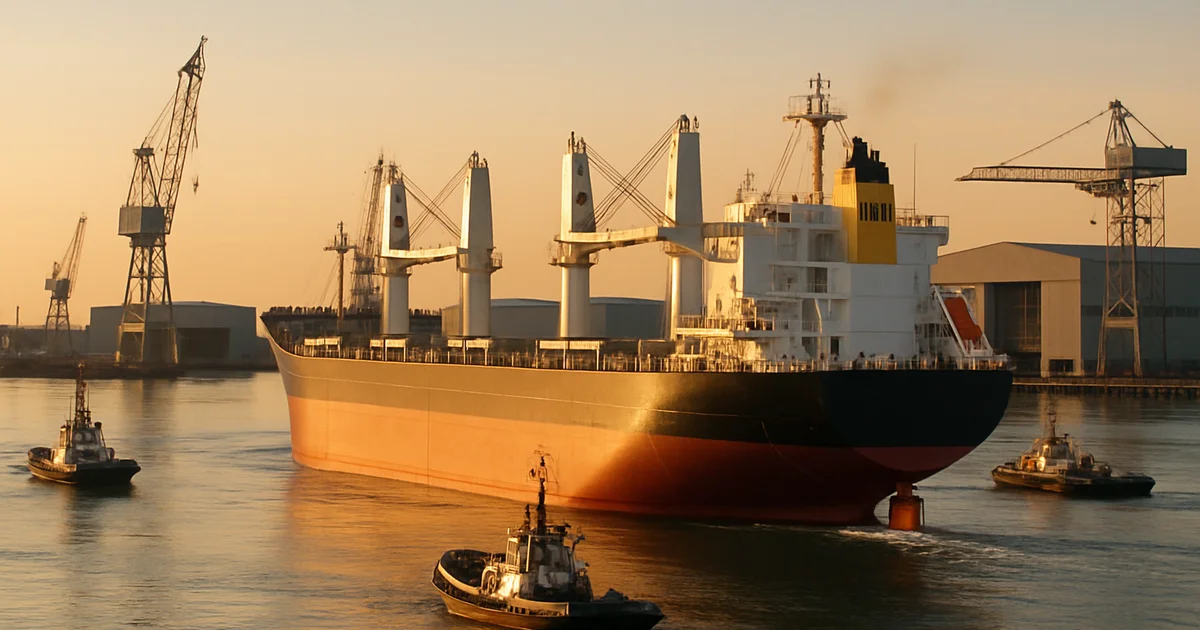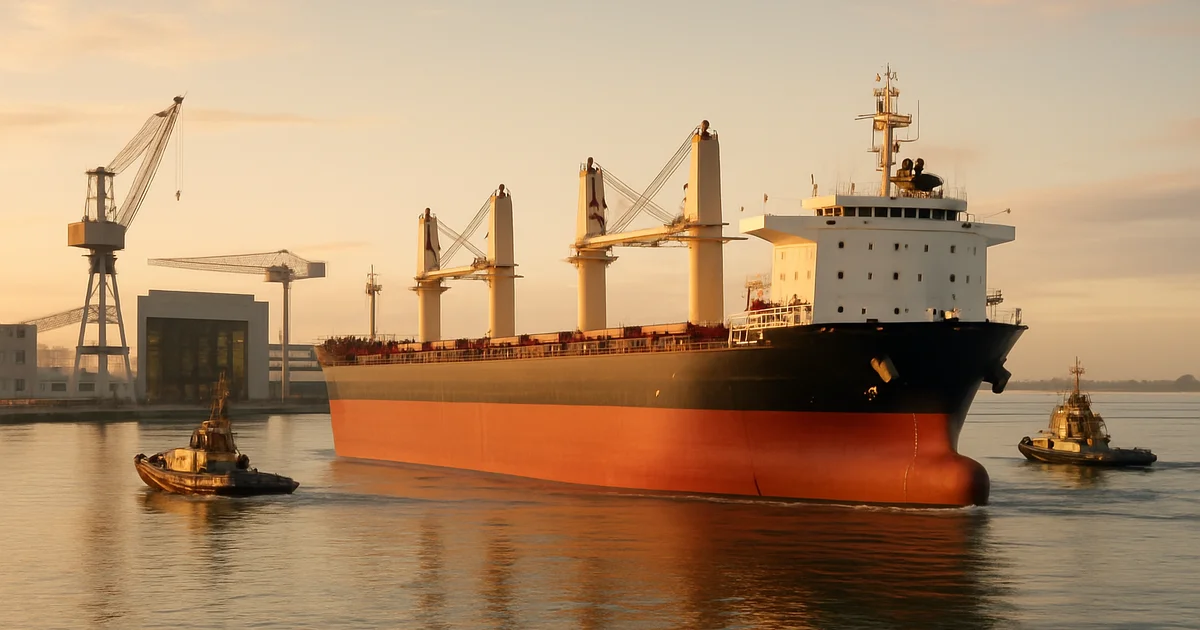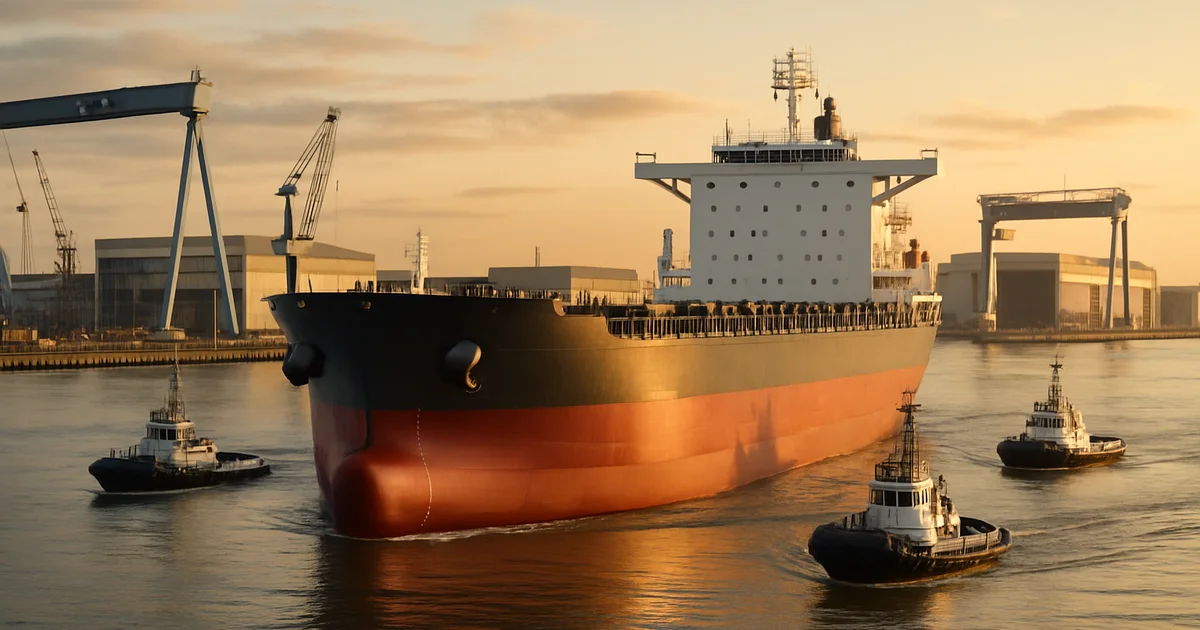
Seacon Shipping has announced a significant expansion of its fleet with an order for two new bulk carriers, marking a USD 66 million investment as part of its growth strategy. The new vessels are scheduled for construction at an undisclosed shipyard, with delivery anticipated in 2025. These bulk carriers are intended to bolster Seacon's existing capacity and meet rising demand within the industry for efficient and environmentally compliant shipping solutions.
The newly ordered bulk carriers will each have a deadweight tonnage (DWT) of 63,500, designed with eco-friendly features such as energy-efficient engines and advanced hydrodynamic hull designs. These specifications align with Seacon Shipping's commitment to reducing carbon emissions and enhancing operational efficiency across its fleet. The incorporation of cutting-edge technology should also enable the shipping company to lower fuel consumption, generating cost savings over the vessel's operational life.
Li Wei, CEO of Seacon Shipping, commented that this latest investment underscores the company's dedication to maintaining a competitive edge amid evolving market and regulatory environments. The new vessels are expected to enhance Seacon's service offerings across major trade routes where bulk demand remains robust. Li Wei emphasized the company's strategic focus on fleet modernisation as integral to sustaining growth and navigating stricter environmental regulations anticipated in the maritime sector.
Within the industry, the new order reflects broader trends towards fleet renewal and expansion, driven by persistent demand for bulk commodities and the need to phase out older, less efficient ships. Current market dynamics are influenced by fluctuating freight rates and a diverse orderbook, underscoring the necessity for fleets to adapt and align with environmental compliance standards, such as those governed by the International Maritime Organization (IMO).
Why this matters
The decision by Seacon Shipping to construct two new bulk carriers illustrates a calculated response to current and projected industry demands. By investing in modern, low-emission vessels, Seacon is positioning itself to better comply with forthcoming environmental regulations, which could impose more stringent emission limits on older ships. This proactive fleet expansion affords Seacon a competitive advantage, potentially lowering operational costs through increased fuel efficiency.
From a financial standpoint, the move may mitigate future costs associated with stricter compliance requirements. Updating to newer, more efficient ships helps shipowners avoid the potential financial burdens of retrofitting older vessels to meet upcoming environmental standards. Additionally, this investment aligns Seacon's fleet growth with rising demands for bulk cargo such as iron ore and grains, ensuring service continuity and market positioning.
Such fleet expansions can also have significant operational implications for charterers and end-users who rely on predictable and efficient shipping services. The newer vessels are likely to offer improved reliability and reduced delay risks associated with older ships undergoing maintenance or regulatory holdbacks.
As Seacon Shipping integrates these additions into its fleet, industry observers should monitor operational impacts and market positioning adjustments due to enhanced capacity and compliance capabilities. The expansion not only reinforces Seacon’s market stance but also serves as a bellwether for how other operators might strategically align their fleets in response to regulatory pressures and commercial opportunities.