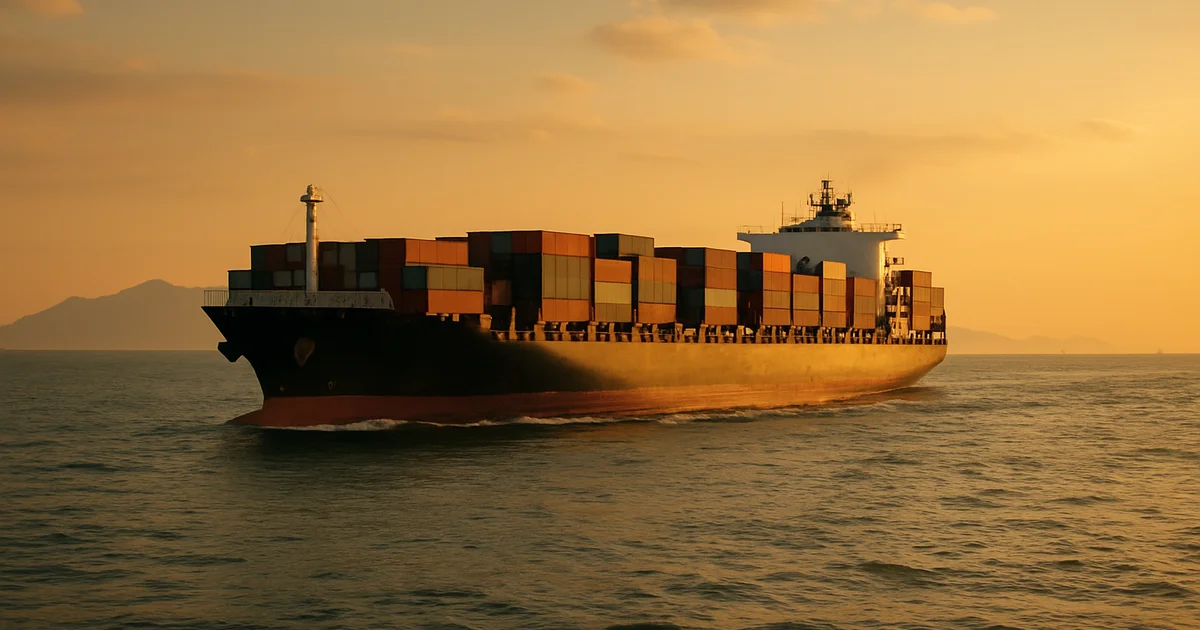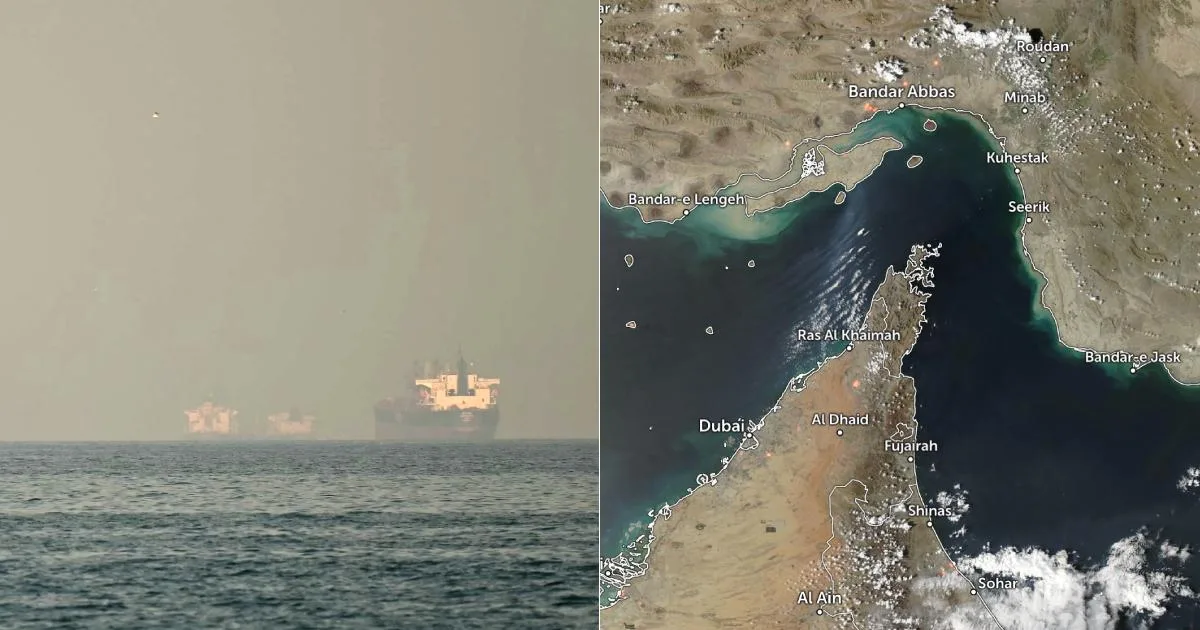
Seven Malaysia-flagged vessels, including four oil tankers, are preparing to navigate the perilous Strait of Hormuz after receiving clearance from Iranian authorities. However, the situation is far from ordinary; a seasoned captain describes the current maritime environment as a “nightmare” due to escalating tensions and potential military threats.
The vessels are owned by major Malaysian corporations, namely Petronas, MISC Bhd, Sapura Energy, and Shapadu Corporation. These ships are part of a significant backlog, with estimates suggesting up to 2,000 vessels may be trapped as conditions worsen. Despite receiving the necessary clearance codes from the Islamic Revolutionary Guard Corps (IRGC)—essential for passing through the strait without becoming a target—navigating the waters is fraught with danger.
The Strait of Hormuz is a critical maritime route, responsible for approximately 20% of the world’s oil supply. Disruptions in this corridor can have catastrophic effects on global fuel prices and supply chains. Captain S K Singam, a Singapore-based mariner with nearly four decades of experience, highlights several significant risks. These include threats from mines and missiles, electronic warfare that can jam navigation systems, and the psychological toll on crews facing dwindling supplies and escalating tensions.
Under maritime law, seafarers are not obliged to sail under extreme danger, so choosing to embark on these voyages is not merely a logistical decision but a deeply personal one for the crew. The risks they face are layered: the narrow channel may be littered with mines, while drones and missile activity raises the stakes for accidental strikes.
To mitigate these dangers, protective measures are essential. Crews are advised to sail in convoy to coordinate and support one another, navigate during daylight for better visibility, and prepare comprehensive contingency plans. They must also double-check navigation methods, relying on radar and visual cues in case GPS signals are compromised.
In summary, while these seven Malaysian vessels have been given the green light to depart the Strait of Hormuz, the journey presents a multitude of challenges. The safety of the crews is paramount, making their passage more about survival than mere navigation. The ongoing situation underscores the complexity and volatility of maritime operations in a region where one misstep can lead to catastrophic consequences.