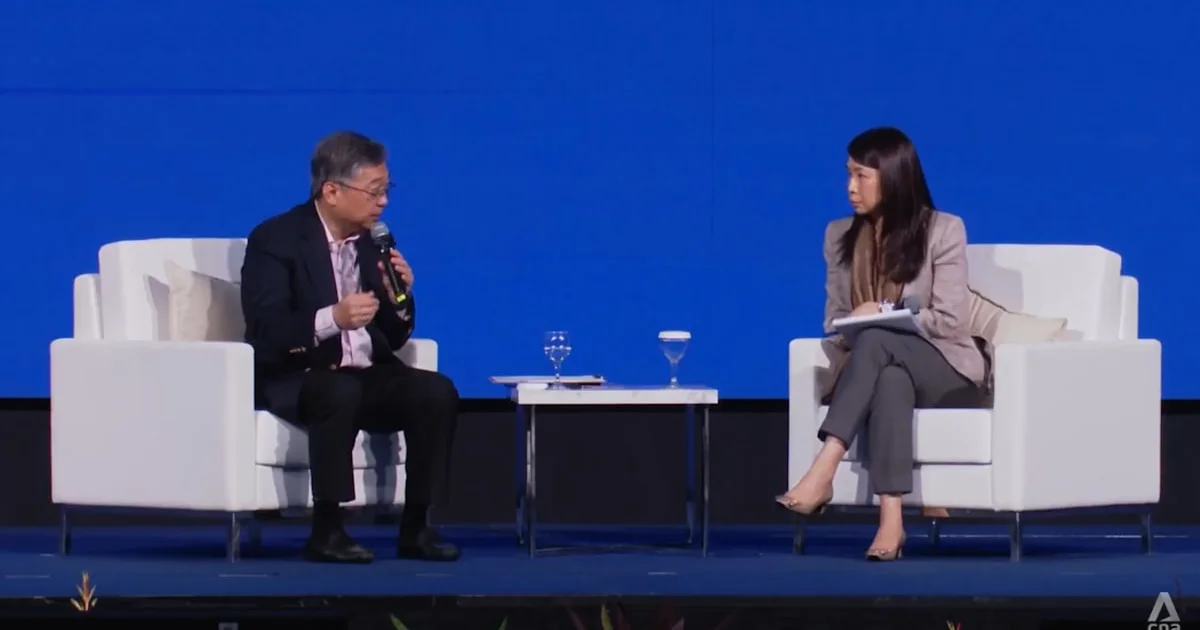
Disability Aviation and Maritime (DAM), an organization founded by Charlie Morton and Martin Powell, is driving transformative change in the aviation and maritime sectors by advocating for accessible travel. The initiative began as a response to the systemic issues faced by travelers with disabilities, aiming to influence industry-wide improvements in accessibility practices.
The origins of DAM trace back to a personal experience that underscored the challenges faced by individuals with mobility impairments. Charlie Morton’s wheelchair was severely damaged during an airline flight to Barcelona, an incident that compelled him to voice concerns over the treatment of disabled travelers and their equipment. His revelation that 80% of disabled individuals avoid flying due to accessibility barriers resonated broadly, drawing the attention of Martin Powell, an aviation expert with 30 years of industry experience. Their collaboration initially focused on aviation but soon expanded to maritime accessibility following another disappointing travel experience, this time on a cruise.
Initial efforts to establish DAM were met with skepticism regarding the market demand for dedicated accessibility services. Morton’s personal advocacy combined with Powell’s professional credibility helped counter apprehensions. Their work revealed the widespread need for improved policies, sparking positive feedback from both the aviation and maritime sectors. DAM’s expansion now includes collaboration with a network of 150 consultants with disabilities, whose insights inform practical changes across industries.
In its ongoing mission, DAM has achieved multiple milestones. Over 100 airlines have revised accessibility frameworks with the organization’s guidance, while airports have updated facilities to better accommodate mobility aids such as wheelchairs. Maritime accessibility enhancements followed a similar trajectory, with a focus on cruise lines, redefining onboard policies and staff training programs. DAM’s influence has reached policy-making discussions at the highest level, broadening its impact beyond operational recommendations.
Critical to DAM's success has been its focus on altering industry perceptions through direct engagement and training programs. Utilizing firsthand experiences and dignity-based training modules, the organization addresses both visible and invisible disabilities. Initiatives such as ‘experience days’ aim to alleviate anxiety for travelers with cognitive conditions, promoting confidence and independence in navigating aviation and maritime terminals.
Why this matters
The work undertaken by DAM underscores the gaps in travel accessibility across aviation and maritime sectors, revealing operational weaknesses that disproportionately affect disabled passengers. From damaged equipment in air travel to deficient onboard cruise accommodations, these issues represent untapped opportunities for industry improvement.
For operators, the implications of DAM’s advocacy are multifaceted. Enhanced accessibility policies not only meet legal compliance and ethical considerations but also open access to a largely underserved market segment. As travel restrictions ease and passenger volumes recover, focusing on inclusivity offers both operational and commercial advantages, improving service reputations while aligning with evolving regulatory frameworks concerning passenger rights.
Moreover, training programs tailored to address hidden disabilities help prepare staff for diverse travel scenarios, creating a respectful and accommodating environment. For shipowners and operators aiming to retain competitive relevance, DAM’s insights into real-world challenges provide a roadmap for constructive changes.
The organization’s expansion into policy and training partnerships signals wider industry adoption, with immediate benefits for passengers and long-term growth opportunities for service providers.
As DAM targets further contract agreements with airlines and maritime entities, operators will need to evaluate their existing accessibility frameworks and prioritize compliance with evolving standards. The next step for the industry lies in integrating inclusivity as a baseline norm, marking a critical shift towards universal travel accessibility.