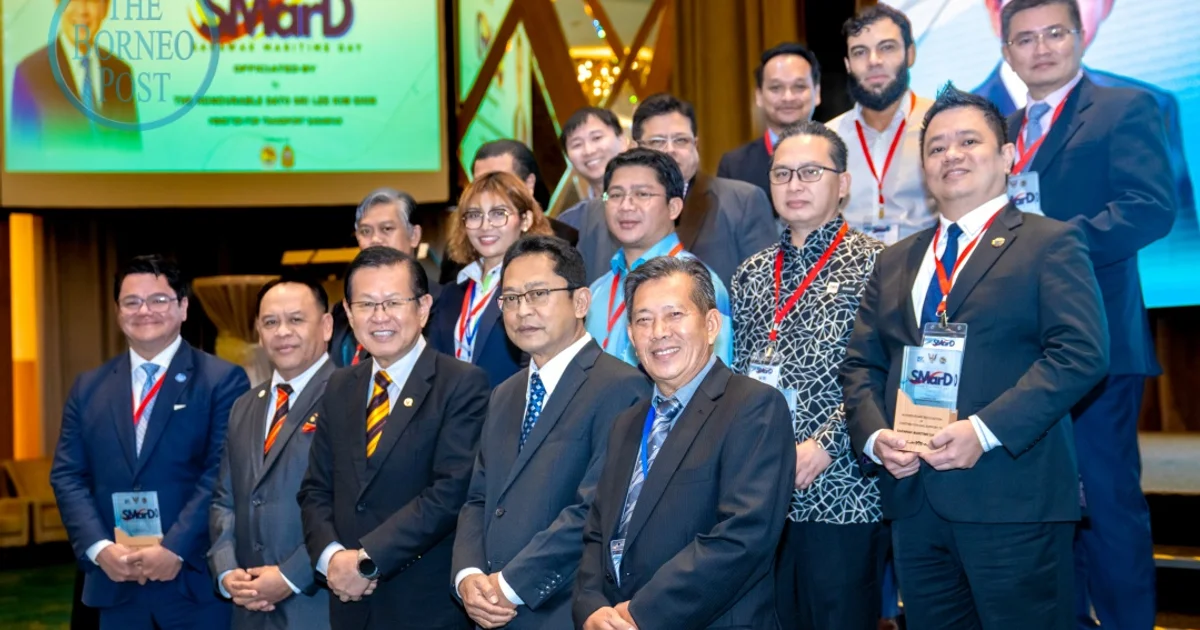
Transport Minister Dato Sri Lee Kim Shin has called for urgent action to address the shortage of skilled seafarers and maritime professionals in Sarawak, citing its importance for supporting the region’s shipping modernization goals. Speaking at the inaugural Sarawak Maritime Day 2025, held to coincide with the International Maritime Organization’s World Maritime Day, Lee emphasized the need for targeted investment in maritime education and training to cultivate a diverse workforce capable of navigating the sector’s evolving challenges.
Lee underscored the critical challenges posed by the current shortage, particularly in attracting younger individuals to maritime careers. While acknowledging the demanding nature of seafaring, he highlighted its financial advantages, noting that ship captains and crew members often benefit from reduced personal expenses while at sea. He advocated for enhancing regional training facilities to develop professionals skilled in various maritime disciplines, including safety, engineering, digital competencies, and sustainability.
The Transport Minister linked Sarawak’s goals to broader industry trends that demand new expertise, such as the push for sustainable development in shipping. He pointed out the industry’s transition to alternative fuels such as methanol, ammonia, and hydrogen, requiring updated training to meet emerging standards. Lee also celebrated the efforts of local river transport operators, such as traditional penambang services, which are progressing toward electric-powered vessels and integrating newer technologies like e-hailing platforms.
Highlighting the contributions of seafarers, port workers, and shipbuilders as the backbone of Sarawak’s maritime industry, Lee stressed the importance of fostering collaboration across all segments. During the event, scholarships worth RM1.02 million were distributed to 44 students from Sarawak and Sabah, reinforcing the state’s commitment to advancing educational access for aspiring maritime professionals. The event was attended by transportation dignitaries and representatives from various maritime organizations, emphasizing a shared commitment to enhancing Sarawak’s capabilities in the maritime economy.
Why this matters
Sarawak’s maritime sector is at a pivotal juncture, transitioning toward modernized shipping practices and sustainability targets that will shape the industry’s future. The shortage of skilled seafarers in the region poses a significant risk to growth, particularly as global shift trends toward alternative fuels and digitalized shipping require a more versatile and technically trained workforce. Without addressing this labor gap, operators in Sarawak could struggle to meet evolving regulatory and operational demands, undermining its competitiveness in southeast Asia’s maritime economy.
Furthermore, the Transport Minister’s focus on safety and training aligns with increasing compliance pressures from international regulatory bodies like the IMO. With Sarawak aiming to integrate more environmentally friendly practices, the development of expertise in alternative fuel technologies will be critical to ensuring the region’s adherence to decarbonization goals. The scholarships announced during Sarawak Maritime Day 2025 act as an important catalyst for expanding local talent pools in maritime studies, creating pathways for entry into high-demand roles in the industry.
The momentum toward greener transport solutions, such as electric boats and e-hailing services, reflects strong regional efforts to modernize traditional practices. If sustained, this could position Sarawak as an innovation hub for inland river transportation, creating economic advantages through streamlined connectivity and lower emissions.
Looking ahead, Sarawak’s investment in human capital could prove decisive in meeting industry challenges such as the skilled labor shortage and adapting to global sustainability standards. Maintaining focus on maritime education and training will allow the region to build a workforce capable of driving both innovation and commercial competitiveness in Asia’s maritime landscape.