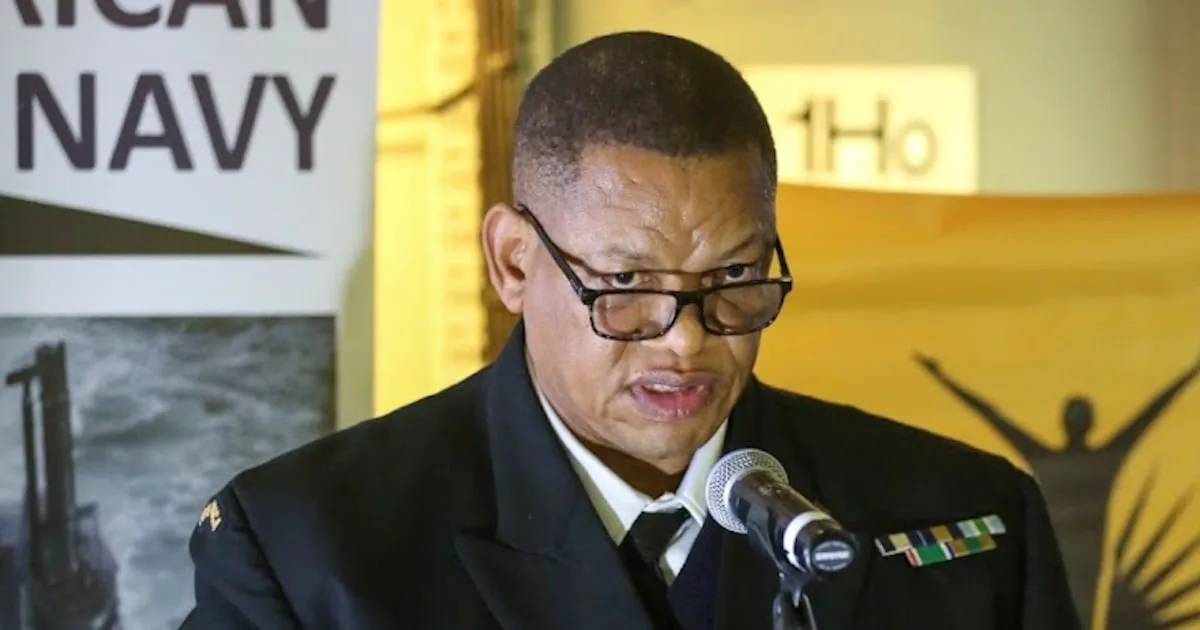
Vice-Admiral Monde Lobese, Chief of the South African Navy, has issued a stark warning about the critical state of South Africa’s defense infrastructure, citing chronic underfunding as the primary driver of extensive operational failures within the South African National Defence Force (SANDF). Speaking during the SA Navy Gala Concert on Saturday, Lobese stressed that the declining capabilities of the navy are compromising national sovereignty and leaving South African waters exposed to heightened risks, including drug trafficking, human smuggling, and organized maritime crime.
The vice-admiral’s remarks directly implicated aging naval vessels and insufficient budgetary allocations as key barriers to fulfilling essential maritime operations. This operational degradation is not limited to the navy, with consequences reverberating across other branches of the SANDF. A recent illustration of these challenges involved the loss of 14 South African soldiers in the Democratic Republic of the Congo (DRC), which Lobese attributed to inadequate logistical and combat support stemming from funding shortfalls.
Apart from diminished capability abroad, Lobese drew attention to alarming intelligence shared by Australian naval chiefs, who reported an increase in drug trafficking within South African waters. Intelligence suggests that over 600 vessels operating in South African territorial waters remain unmonitored, creating unprecedented vulnerabilities across its maritime trade corridors. These operational gaps expose a lack of resources and coordination that further complicates maritime border security.
Key domestic incidents have also spotlighted the ramifications of SANDF’s limited readiness. During the heavy floods in Mthatha in June, a South African Air Force (SAAF) helicopter deployment arrived a week late due to unavailable resources, contributing to loss of life that could have been prevented. Similarly, operational strain was evident in SANDF’s response to a veld fire training incident, where basic supplies for soldiers had to be sourced from NGOs due to resource shortages. Border security remains another flashpoint; only 15 of the required 22 military companies are actively patrolling South Africa’s borders, reinforcing Lobese’s warning about insufficient manpower and resource allocation.
While Lobese’s criticisms have raised national security alarms, Defence Minister Angie Motshekga dismissed his remarks as “disingenuous,” accusing the navy chief of undermining government leadership rather than addressing actionable concerns. This defensive response has sparked further debate about accountability for SANDF’s declining capabilities, particularly given bipartisan recognition that the armed forces lack adequate preparation to meet operational demands.
Why this matters
The stakes of South Africa's defense crisis extend well beyond military readiness. Maritime crime and unmonitored vessel activity in its waters pose direct risks to global shipping lanes and trade, undermining commercial operators reliant on secure passage through the region. Unaddressed vulnerabilities in border and maritime security could accelerate trafficking of illegal goods, human displacement, and route disruptions, compounding operational hazards for shipping companies and port authorities.
For shipowners, the exposure of South African waters to criminal activity increases insurance premiums and war-risk surcharges associated with port calls and transits. These issues further dissuade foreign charter interests and amplify operational costs for legitimate trade. The lack of adequate border patrol raises questions about supply chain security, impacting trade flows between manufacturing hubs within southern Africa and international markets.
Operational shortcomings across SANDF have broader implications for political and economic stability, significantly undermining investor confidence, particularly in sectors reliant on maritime infrastructure such as bulk shipping, containerized exports, and liquefied natural gas (LNG) projects. The failure to address foundational defense issues could further isolate South Africa in geopolitical maritime partnerships, eroding its position in regional trade and security frameworks alike.
Immediate government action is critical to reverse SANDF's underfunding trajectory and resource gaps. Key decisions on naval modernization, personnel deployment, and cross-agency collaboration on maritime security are necessary to restore strategic readiness and South Africa's credibility as a regional security partner. Without urgent intervention, shipping operators, port authorities, and trade corridors will continue to bear rising cost and risk burdens, forcing the industry to recalibrate its reliance on South African maritime infrastructure.