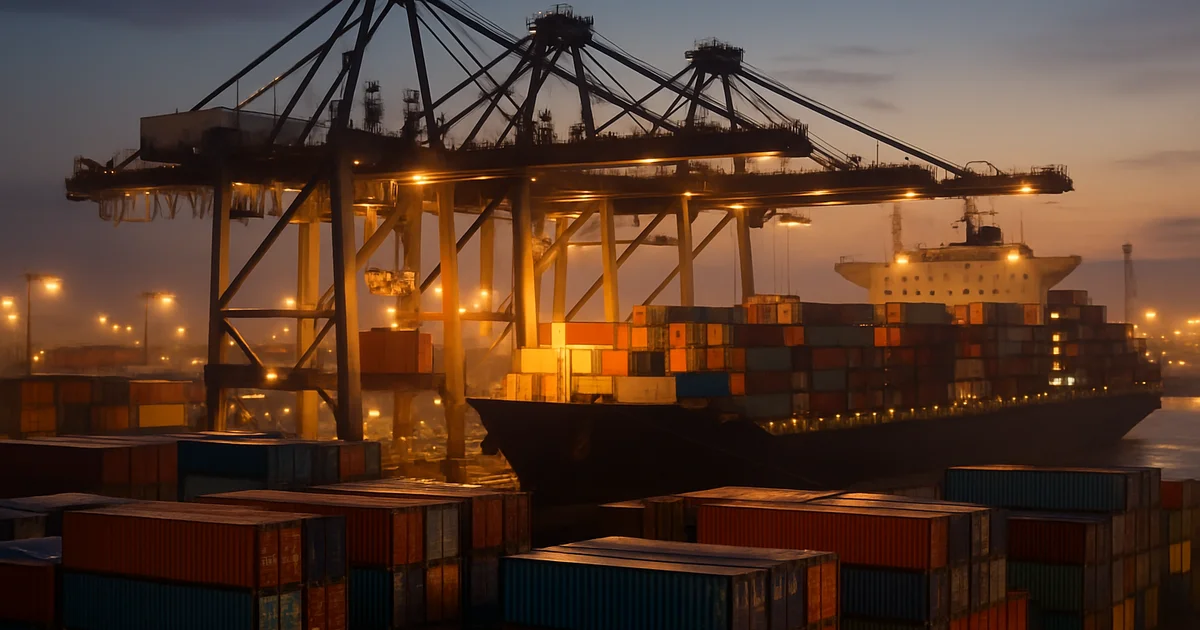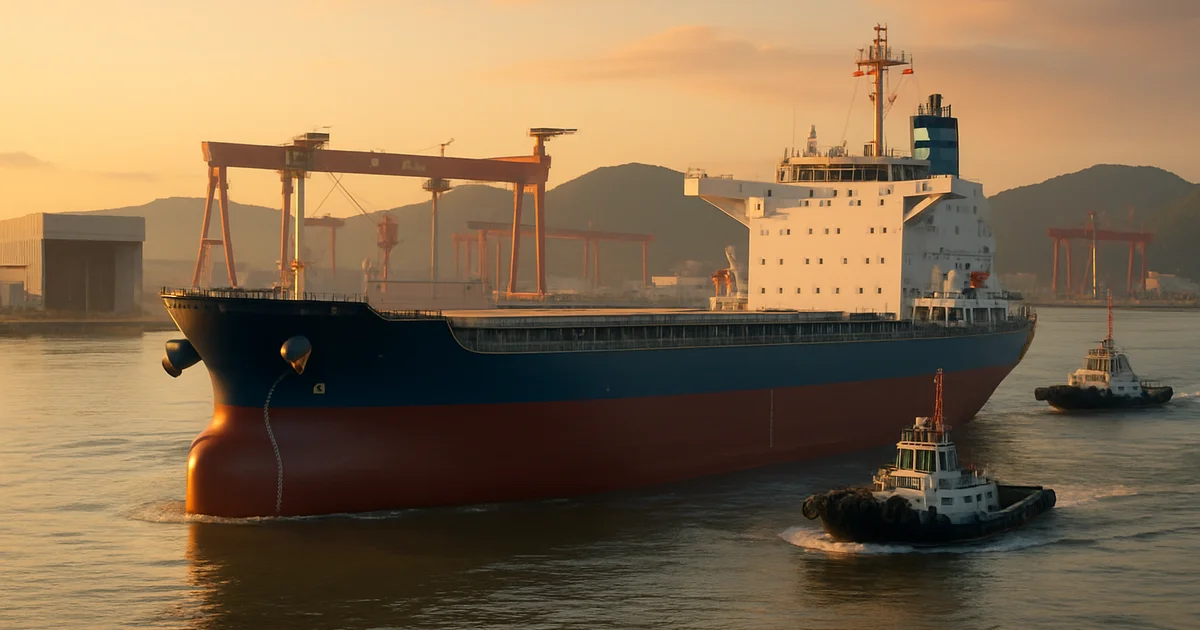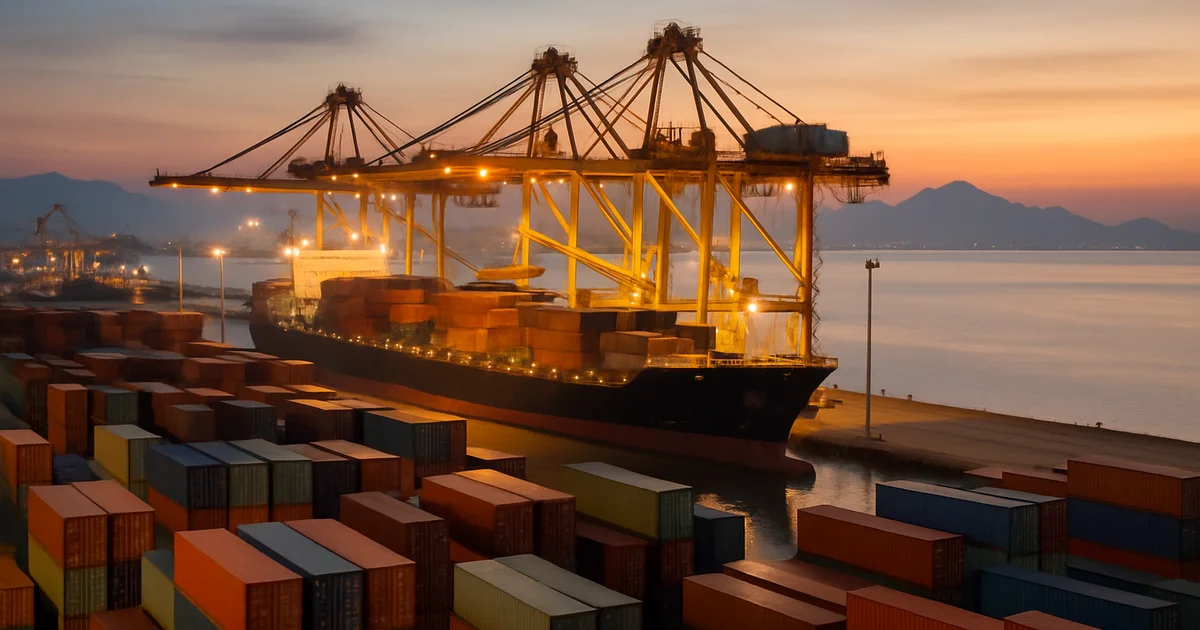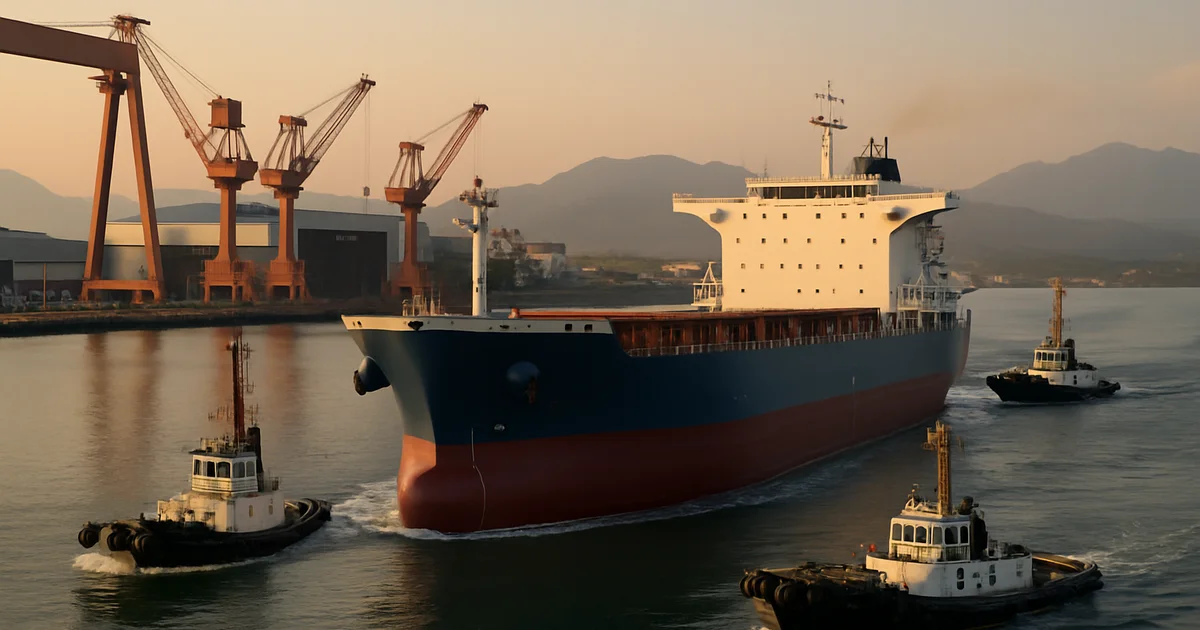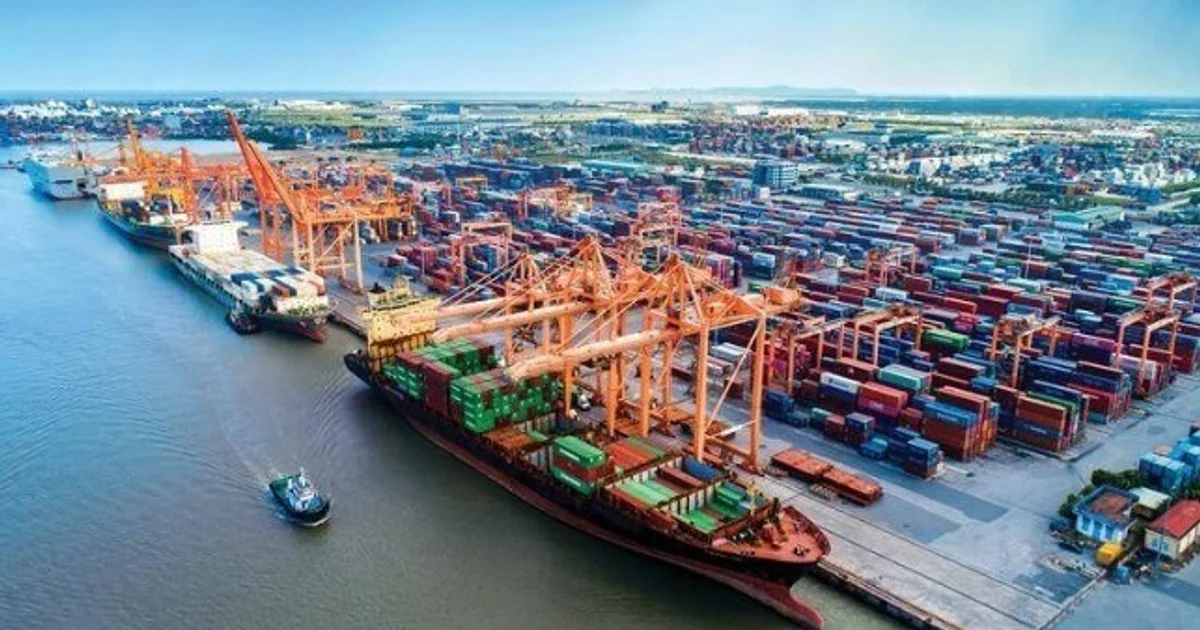
Vietnam is set to launch a national container shipping operation aimed at tackling escalating freight costs and supply chain disruptions heightened by the COVID-19 pandemic. The Vietnam Logistics Business Association has crafted a roadmap to develop intra-Asia shipping initially, with plans to eventually extend to international operations, bolstered by private investment.
Historically, despite multiple governmental resolutions aimed at growing Vietnam’s shipping fleet, progress has been minimal. The renewed initiative aligns with the government’s ambition for Vietnam to evolve into a “developed, high-income country” by 2045. By establishing its own fleet of containerships, the country aims to curtail substantial foreign currency expenditures on shipping, mitigate reliance on foreign shipping lines, and enhance economic security.
Currently, around 90% of Vietnam’s trade volume is transported by sea, amounting to 24 million Twenty-foot Equivalent Units (TEU) in 2021, a 7% increase from the previous year. However, Vietnam only holds a 7% market share in shipping, with foreign companies dominating the landscape. The nation boasts only 10 container shipping companies operating 48 ships collectively capable of handling 39,500 TEU. Notably, many vessels are outdated, with 13 ships over 25 years old and 15 possessing capacities suited solely for domestic operations. Only 14 ships can handle 1,000 to 1,800 TEU, adequate for intra-Asian routes.
One sector significantly impacted by soaring freight rates is wood exports, with the U.S. constituting Vietnam’s largest market, accounting for nearly 60% of the country’s wood exports, valued at $14.8 billion in the previous year. Although exports to the U.S. surged by 22% to $8.78 billion in 2021, high shipping expenses have reduced profit margins.
The strategic plan involves developing logistic services by 2025. The first phase, spanning three to five years, demands an investment of about $1.5 billion, targeting intra-Asia routes connecting to Korea, Japan, China, India, and the Middle East, which together represent around 60% of Vietnam’s import-export volume. Initially, 14 smaller ships with capacities of 1,800 to 2,500 TEU will be required, alongside an additional six ships in the following year to facilitate routes to China and Japan. The goal includes acquiring at least 25 ships within the first five years, prohibiting the purchase of vessels older than 15 years.
The second phase of this initiative aims at broader international routes but will not commence for at least five years, as the focus remains on Asian connectivity. It involves mobilizing private investment and collaboration among manufacturers, shippers, and government entities. Future aspirations include deploying post-Panamax and large vessels for international routes, necessitating ships with capacities ranging from 4,000 TEU up to ultra-large vessels exceeding 10,000 TEU.
The Vietnam Logistics Business Association underscores that advancing this plan is crucial for the country’s long-term development. Reflecting on historical precedents from the 1970s, when economic hardships led to borrowing for ship acquisitions, they emphasize the need for a solid national shipping framework to facilitate trade.