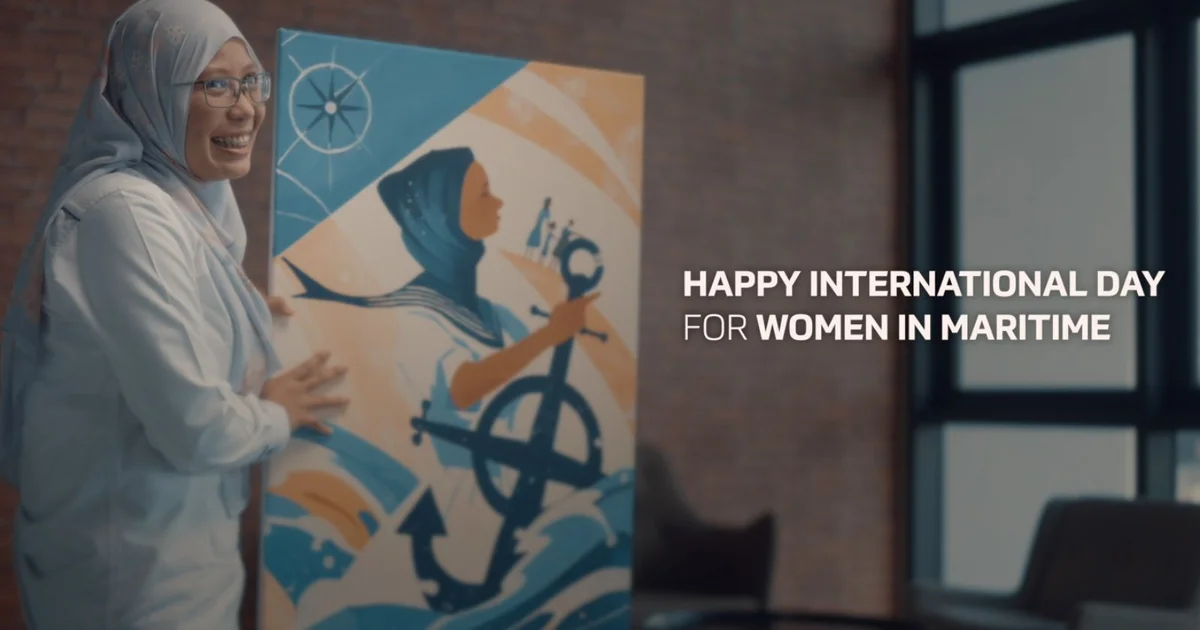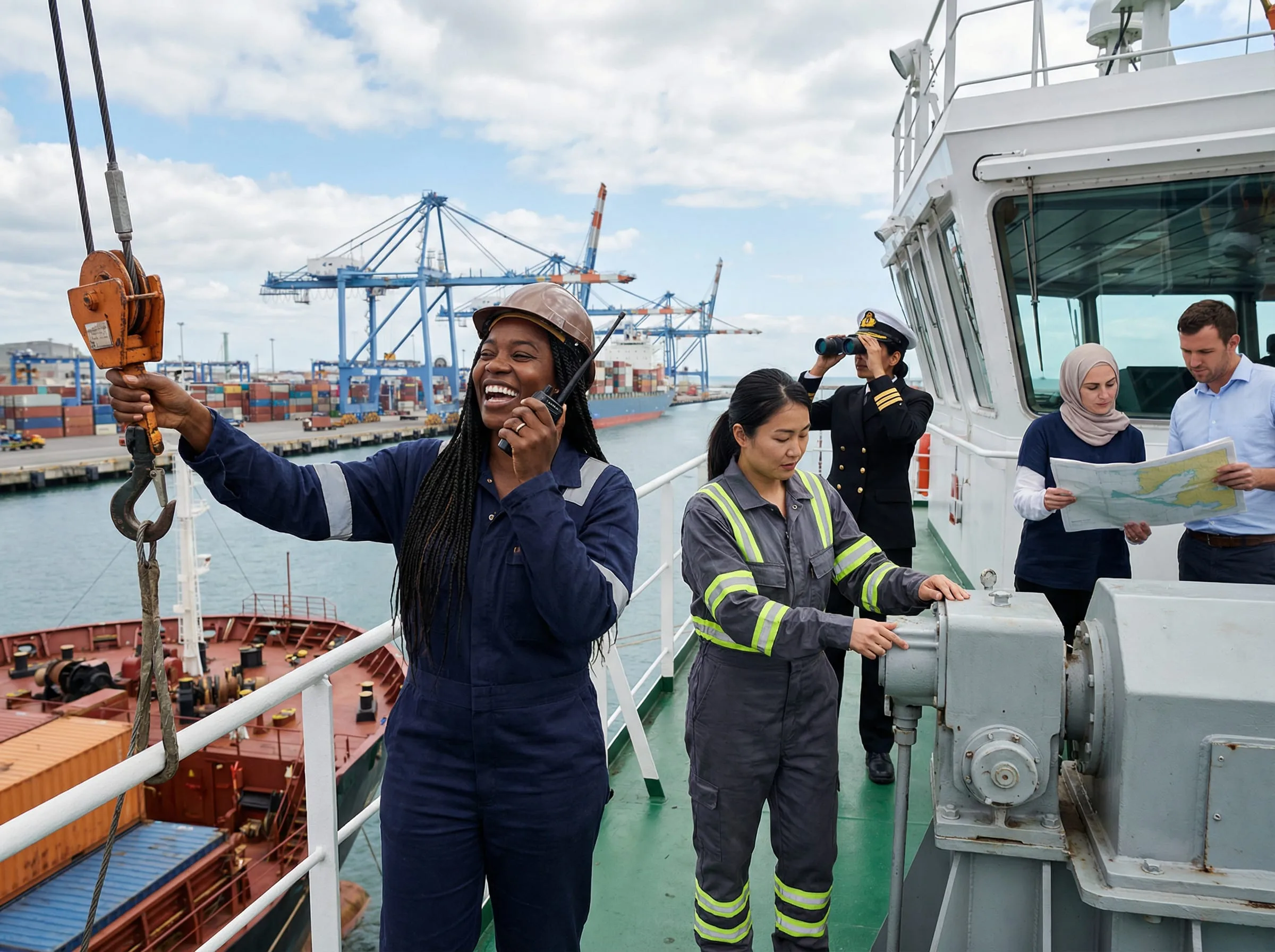
The global maritime industry is witnessing a transformation as diversity initiatives, particularly for women and minority groups, gain momentum. Traditionally dominated by homogeneity, the sector increasingly recognizes the importance of inclusion as a catalyst for innovation and sustainable growth. This evolving dynamic is underpinned by female leadership at prominent organizations and systemic changes aimed at breaking down barriers for underrepresented groups.
Kitack Lim, Secretary-General of the International Maritime Organization (IMO), has consistently advocated for gender equality within the sector. Lim spearheads efforts to promote female participation through training programs, scholarships, and networking platforms designed to open professional avenues for women globally. Similarly, Despina Panayiotou Theodosiou, Co-founder of the Women’s International Shipping & Trading Association (WISTA), has played a pivotal role in mentorship initiatives and fostering professional growth within shipping. Her advocacy for diversity is complemented by her leadership as a CEO.
Another key figure, Helle Hammer, who chairs the International Union of Marine Insurance (IUMI) Policy Forum, has gained recognition for her contributions to international policy development and her advocacy for inclusive workplace policies. Meanwhile, Captain Radhika Menon, the first female captain in the Indian Merchant Navy, has become an inspirational symbol of resilience and achievement, encouraging women to pursue seafaring roles despite traditional norms.
Industry initiatives are driving widespread change. The IMO’s Women in Maritime Programme aims to increase female representation in technical and leadership roles, offering targeted training and career opportunities. WISTA International, active in over 50 countries, organizes conferences and advocacy campaigns while developing mentorship frameworks. The Maritime Diversity and Inclusion Charter, adopted by leading shipping enterprises, ensures equitable recruitment and promotion practices, addressing concerns over pay gaps and workplace discrimination. Organizations like SheEO and Maritime SheEO focus on leadership development and entrepreneurship, strengthening visibility for women across maritime and logistics fields.
Despite these advances, challenges persist. Cultural and structural barriers often impede the promotion of women and minority groups. Women currently account for less than 2% of the global seafaring workforce, with even lower presence in executive positions. Work-life balance difficulties, particularly for seafarers on extended voyages, further exacerbate underrepresentation. Additionally, the ongoing need to address safety concerns and harassment in both onboard and shore-based environments underscores the urgency for comprehensive reforms.
Opportunities, however, are visible on the horizon. As the industry confronts talent shortages, diverse candidate pools are increasingly sought to fill specialized roles. Moreover, digital transformation enables new entry points for marginalized groups, such as roles tied to data analytics and automation. International advocacy from organizations like the IMO and cooperative efforts by shipping companies continue to expand pathways to leadership and innovation within the sector.
Why this matters
Incorporating diversity within the maritime workforce unlocks operational efficiencies and innovation. Women in leadership roles contribute unique perspectives that enhance decision-making, while inclusive workplace cultures attract skilled professionals across demographics. With talent shortages looming in technical roles, breaking the traditional barriers for underrepresented groups isn’t just ethical—it’s economically critical.
The sector's systemic overhaul toward inclusion also carries regulatory and financial consequences. Long-standing inequities, such as disproportionate gender pay gaps and limited career progression for minorities, undermine the industry's ability to compete in a globalized economy. Proactive measures like the Maritime Diversity and Inclusion Charter mitigate risks tied to legal scrutiny or reputational harm, while fostering long-term resilience.
Shipowners, operators, and port authorities must weigh the recruitment advantages diversity provides. Inclusive policy adoption helps secure operations against talent shortfalls, ensures compliance with international labor standards, and strengthens global partnerships with progressive trade partners.
Diversity efforts in maritime are more than corporate catchphrases; they are essential to ensuring the industry thrives amid evolving global challenges. Future advancements in mentorship programs, digital inclusion, and regulatory frameworks will serve as vital benchmarks for tracking progress.