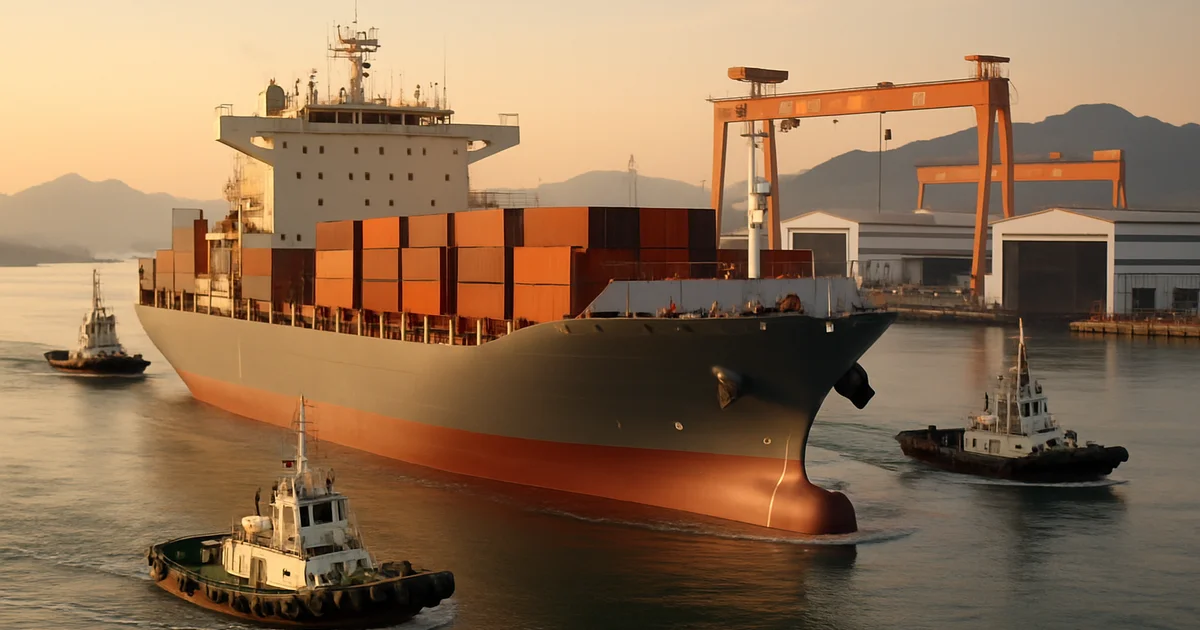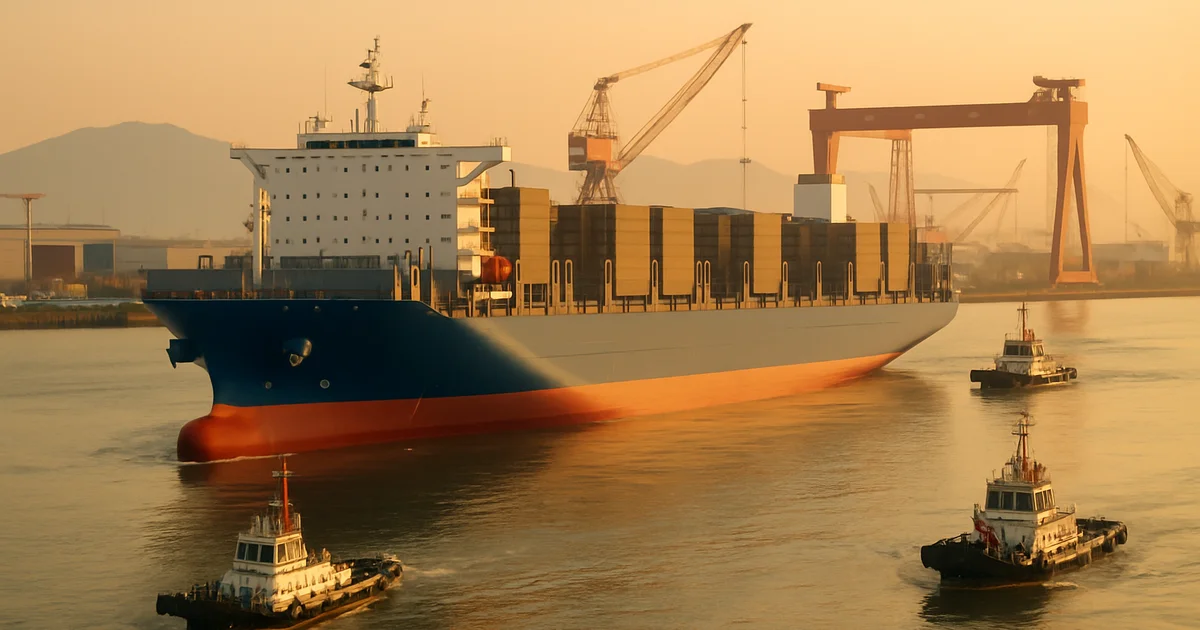
China has marked a significant milestone in maritime trade with the delivery of its first domestically built pure-electric export container vessel. According to reports, this pioneering vessel stands as a testament to China's advancing capabilities in the realm of eco-friendly shipping technology, a step towards reducing the industry's environmental footprint.
The vessel, a pure-electric model, represents a shift away from traditional fossil fuel-powered ships. This development aligns with global trends toward greener alternatives in maritime transport. The ship was constructed to harmonize with initiatives aimed at decarbonizing the shipping industry, thereby addressing the environmental concerns associated with maritime logistics.
Chinese shipyards have played a pivotal role in the production of this vessel, reflecting their growing expertise and competitiveness on a global scale. The ship joins China's growing fleet of vessels as the nation aims to bolster its maritime export capacity while adhering to environmentally sustainable practices.
In terms of specifications, this vessel incorporates cutting-edge technology to enhance efficiency and minimize emissions. It is equipped with a sophisticated energy management system designed to optimize power usage. Additionally, the vessel is anticipated to have significant cost-saving implications in terms of fuel consumption, benefiting operators financially while mitigating environmental impacts.
The delivery of this pure-electric export container vessel underscores the strategic direction of China's maritime industry, focusing on innovation and sustainability. It also signifies progress in the nation's shipbuilding sector, which continues to expand its capabilities to meet international market demands.
Why this matters
The introduction of a domestically built pure-electric export container vessel by China highlights the nation's commitment to sustainable shipping practices. For maritime operators, this development represents an opportunity to reduce operational costs associated with fuel consumption and to comply with increasingly stringent environmental regulations.
From a trade perspective, the vessel strengthens China's position as a competitive player in the global shipping industry, equipped to meet both economic and environmental mandates. It encourages further investment and technological advancements in electric shipping, potentially setting new standards for vessel emissions and efficiency.
As the shipping industry faces mounting pressure to transition to greener alternatives, the adoption of such vessels could play a crucial role in reshaping trade corridors. For ports and logistics hubs around the world, this presents an impetus to adapt infrastructure to accommodate and support electric-powered vessels, influencing the future dynamics of maritime logistics and trade routes.
The delivery of China's first domestically built pure-electric export container vessel marks a step forward in maritime sustainability. Stakeholders across the industry will likely observe the vessel's operational performance as it navigates international waters, providing insights into the viability and impact of electric shipping solutions.