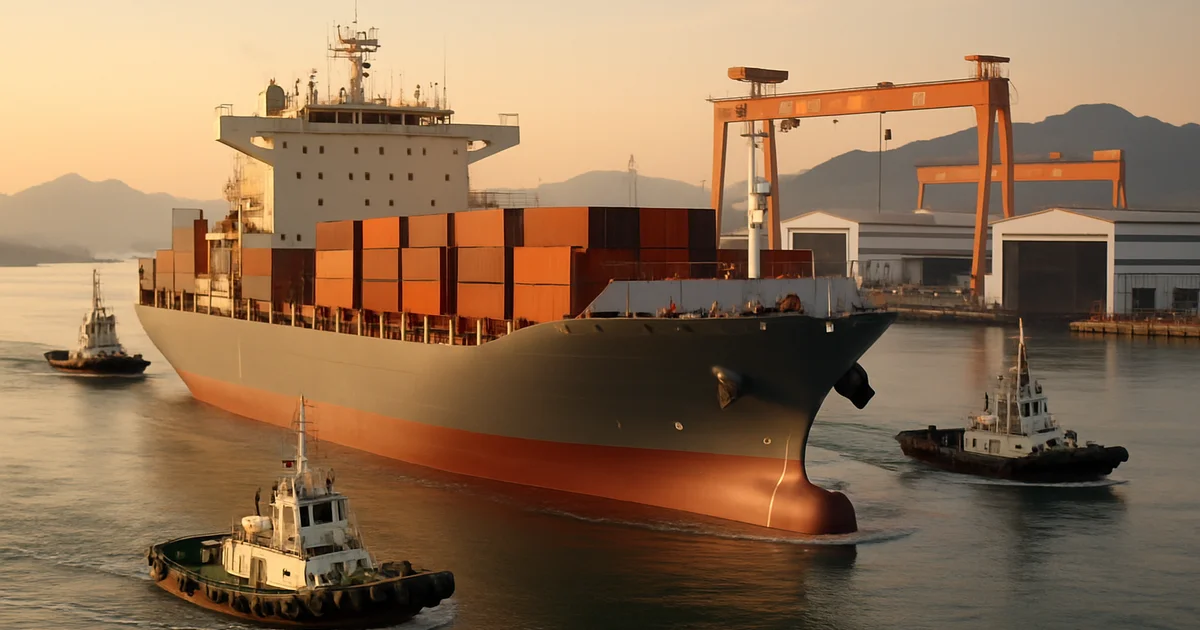
NewNew Shipping, a Chinese shipping company, has announced plans to extend its operations by deploying additional container vessels along the Northern Sea Route (NSR). This decision signals an increasing interest in the use of this Arctic route for container shipping, leveraging its shorter distance compared to traditional southern routes via the Suez Canal. The new deployments aim to enhance cargo transport efficiency between Asia and Europe, reducing transit times significantly.
The Northern Sea Route, which stretches across the Arctic Ocean along the Russian coastline, presents a shorter path between major Asian and European ports. NewNew Shipping's decision to add more container ships to this route aligns with the operational advantages of quicker voyages and fuel savings. However, navigating the NSR also involves challenges such as harsh weather conditions and ice navigation, which demand specialized vessels and operations.
According to the plans outlined by NewNew Shipping, vessels capable of operating in icy conditions will be utilized to ensure safe passage across the NSR. These ships are expected to handle the demands of Arctic conditions, including ice-class certifications essential for such voyages. The shipping firm has expressed confidence in the viability of the NSR as a competitive corridor for maritime trade, projecting an increase in container traffic as global trade patterns evolve.
NewNew Shipping's strategy reflects broader industry trends that explore alternative routes as a response to growing congestion in traditional maritime routes like the Suez Canal. The appeal of the Arctic route is further enhanced by shorter journey times, which can translate into economic benefits for shipping companies and their clients. With climate change impacting ice coverage, the accessibility of the NSR during the summer months is expected to improve, potentially extending the shipping season.
Why this matters
The expansion of container vessel usage on the Northern Sea Route by NewNew Shipping underscores significant operational and economic implications for the maritime industry. For operators, adopting the NSR route could mean reduced fuel consumption and faster transit times, which are crucial in enhancing competitiveness amidst rising fuel prices. Moreover, the shift indicates a convergence of operational technology (OT) with environmental considerations, as ice-class vessels demand integration with existing fleet management systems.
The deployment plans reflect a cautious optimism about the potential of the NSR amidst the regulatory frameworks governing Arctic navigation. Shipping companies must balance the commercial opportunities with environmental and safety compliance measures, which include adhering to specific certifications for ice navigation. These regulatory drivers influence cost structures and necessitate specialized personnel training, impacting operational aspects across the fleet.
For stakeholders, including ports and logistics providers along the NSR, there is a need to invest in infrastructure to support increased vessel traffic. Ensuring navigational safety and reducing risks such as ice-related incidents remain priorities that could dictate the reliability and usage of the NSR during peak seasons.
The implications for the maritime industry are profound, as NewNew Shipping's strategy could stimulate further investments in ice-class vessel technology and Arctic operation capabilities. Looking ahead, the company, along with its industry counterparts, will closely monitor the evolving Arctic conditions and regulatory landscape to optimize their Northern Sea Route operations. Additional investments in navigation technology and icebreaker support could become key contributors to maximizing the NSR's full potential while adhering to safety and environmental standards.