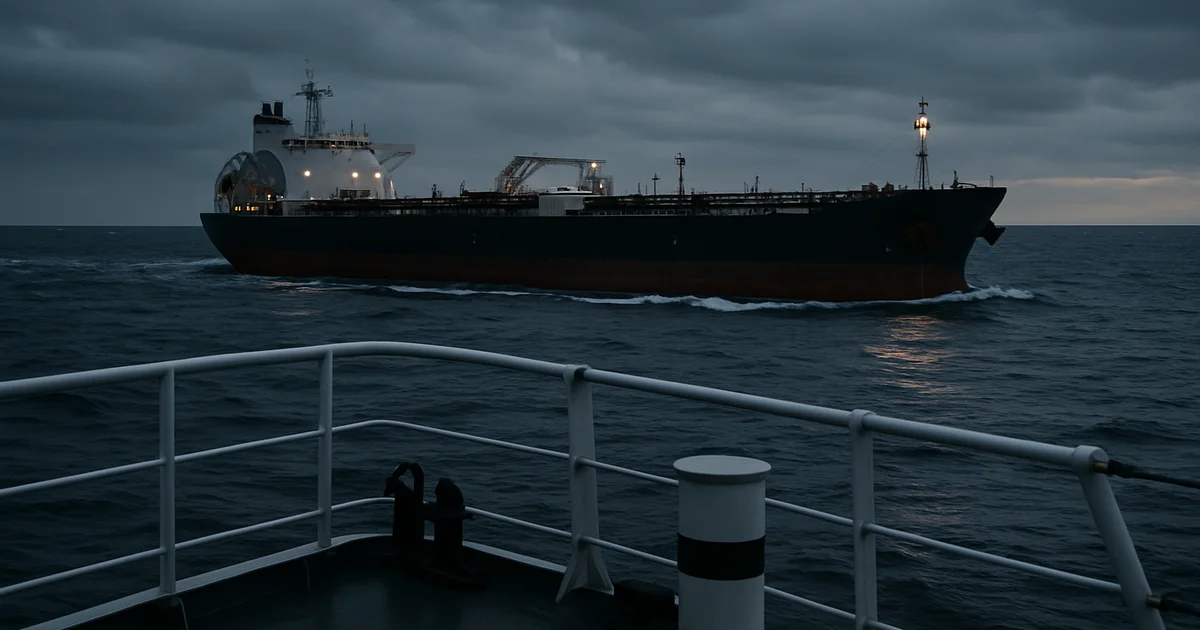
The United States has implemented measures targeting Iranian oil tankers with renewed vigor, reportedly affecting a fleet including the 26th Iranian tanker to arrive in Asia under these tightened restrictions. The development marks a continuation of the U.S.'s strategic blockade efforts aiming to hinder Iran's oil export capabilities.
The operation has involved the disabling of several vessels, specifically Iranian tankers, to enforce compliance with international sanctions. These sanctions, overseen by bodies such as the U.S. Treasury's Office of Foreign Assets Control (OFAC), are designed to limit Iran's economic activities due to geopolitical tensions.
Reports indicate the Iranian tanker fleet has been employing tactics such as AIS (Automatic Identification System) manipulation and other evasion techniques to bypass detection and deliver oil deliveries that contravene established sanctions. Despite these obstacles, a significant number of tankers have completed voyages to Asian ports.
The restrictions in place focus on vessels transporting Iranian crude—subject to heavy sanctions that affect insurance, classification societies, and global trade compliance. Monitoring bodies have flagged these vessels for illicit activities, indicating heightened enforcement of secondary sanctions.
Why this matters
The continued emphasis by the United States on blocking Iranian oil tankers underscores a critical risk management challenge for maritime stakeholders. Vessels engaged in these practices face exposure to secondary sanctions, putting associated charter companies, insurers, and classification societies at financial and reputational risk.
These actions also reflect the ongoing strategic posture in maritime security, affecting tanker routing and regional cargo flows. The elevated risk premium could alter insurance costs, impacting operators' bottom lines not only connected with Iranian shipments but within the wider regional market exposure.
As sanctions breach detection technologies evolve, the industry faces increased compliance costs and due diligence obligations, requiring vigilant operational adjustments and partner verifications.
Going forward, the intensified monitoring and enforcement signal a crucial period for maritime operators to reassess risk management strategies, ensuring alignment with global compliance frameworks to mitigate potential sanctions-related disruptions.