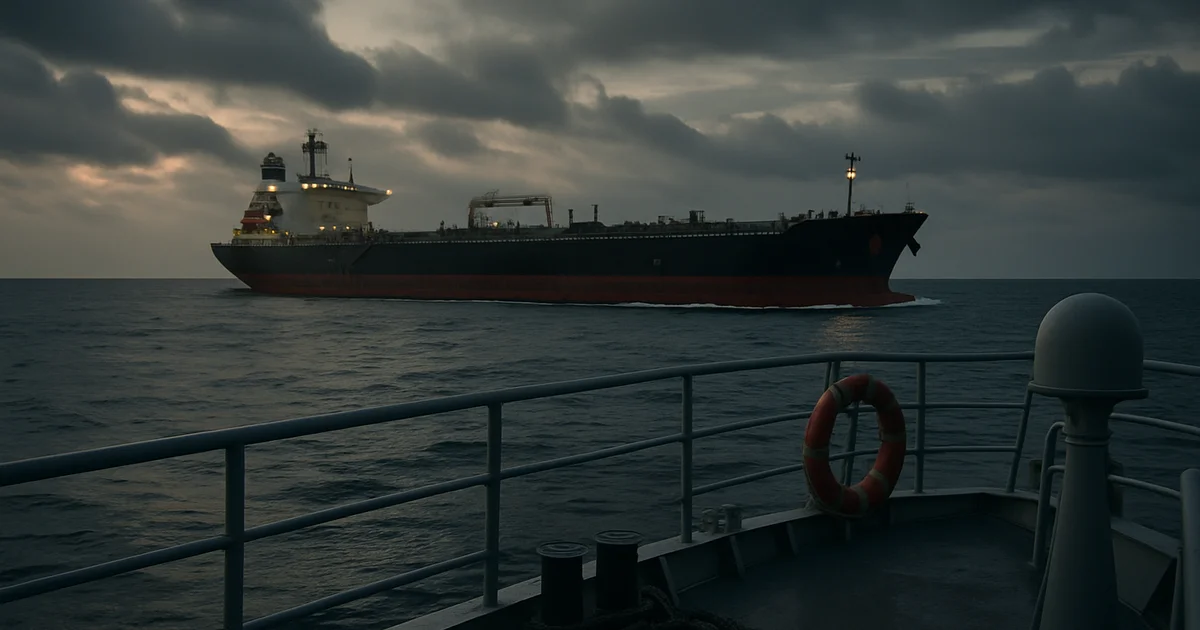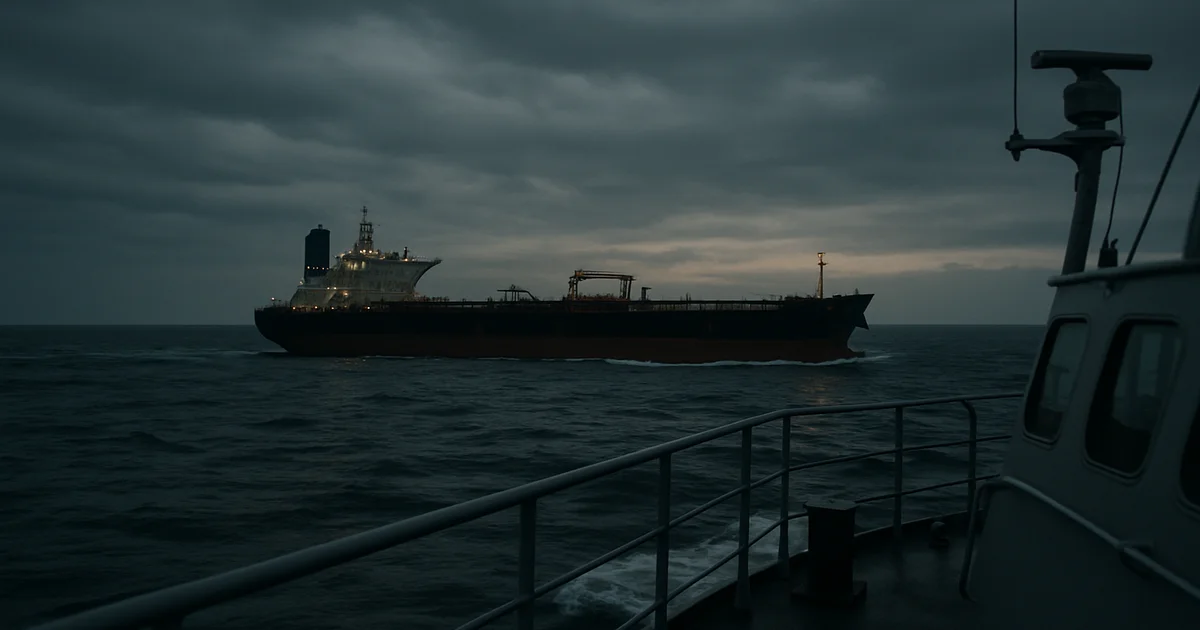
A tanker navigating the strategic Strait of Hormuz was reportedly struck by a drone on Thursday, according to the United Kingdom Maritime Trade Operations (UKMTO). The incident, which underscores ongoing regional tensions, involved an unspecified tanker and took place in one of the world's most crucial oil transit chokepoints.
The UKMTO reported that the vessel was hit at approximately 0130 GMT, though the specific location within the Strait of Hormuz was not disclosed. No details on the extent of damage or impact on crew and cargo were provided in their initial communication. The agency alerted mariners in the vicinity to exercise increased caution following the incident.
Drone strikes on maritime targets, particularly in the Middle East, have become a focal area of concern due to the geopolitical sensitivities surrounding the Strait of Hormuz. This waterway, through which around a fifth of the world's oil passes, has frequently been a flashpoint due to its strategic significance.
In response to the report, there was no immediate comment from the vessel’s flag state, owner, or operator regarding the incident. The UKMTO statement has yet to be supplemented by additional details or official statements from regional maritime or defense authorities.
The Strait of Hormuz, under the jurisdiction of both Iranian and Omani waters, remains a crucial artery for energy exports from the Gulf region to global markets. Incidents in this area often prompt heightened security measures by naval forces escorting commercial shipping.
Why this matters
Drone attacks in the Strait of Hormuz emphasize the significant security risks to global energy flows and maritime trade operators traversing this route. Such incidents could lead to increased insurance premiums for vessels operating in the region and impact shipping schedules and routes.
The need for robust maritime security practices is critical as these threats directly affect asset safety and the operational costs for shipowners and charterers. Additionally, persistent attacks could influence global oil prices due to potential disruptions in shipping lanes.
Maritime industry stakeholders, including insurers, operators, and regulatory agencies, must continuously evaluate the security landscape and adopt responsive measures to safeguard their assets and personnel.
Going forward, maritime operators and stakeholders will need to closely monitor security developments and region-specific advisories while navigating the Strait of Hormuz. This vigilance will be crucial in maintaining the safety of transiting vessels and ensuring the uninterrupted flow of global trade through this vital passageway.