south china sea ·strait of hormuz ·Geopolitics
"Analysis of the Impact of the Hormuz Strait Blockade on Global Oil Supply Dynamics"
'Five straits' trap: How Hormuz blockade exposes global oil's fatal flaw MSN

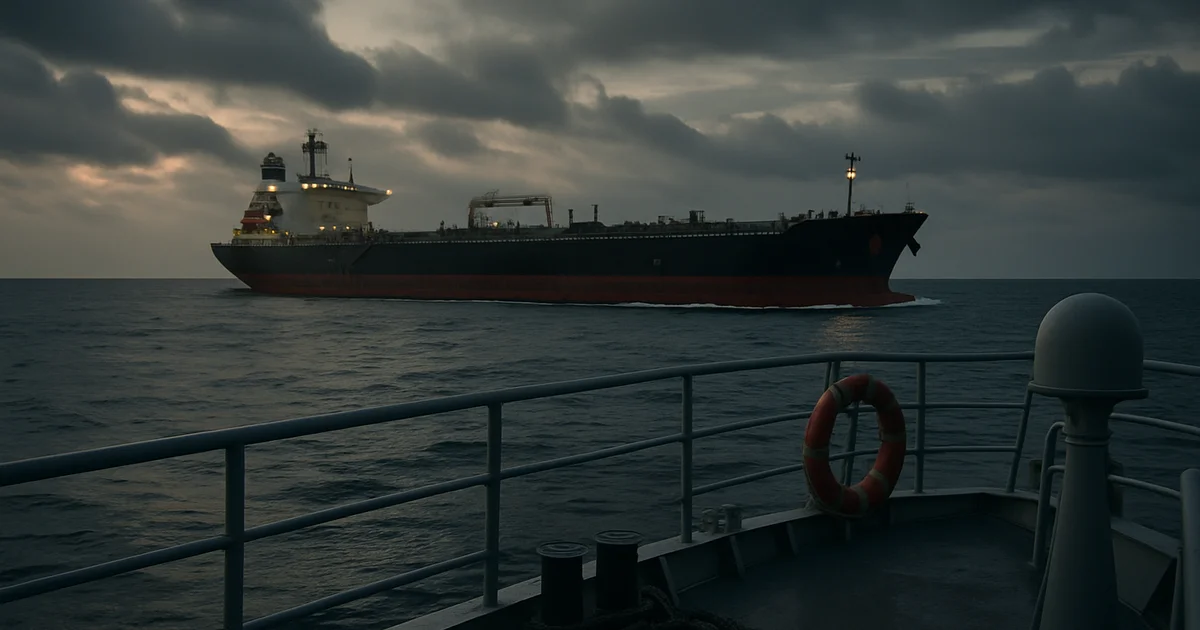
The Strait of Hormuz, along with four other critical maritime chokepoints, plays a significant role in the global oil supply chain. The Strait, located between Oman and Iran, is a pivotal passage for oil tankers transporting crude oil from the Gulf states to international markets. It is estimated that approximately 20% of the world’s oil trade passes through this waterway.
The other four key straits include the Strait of Malacca, the Bosporus Strait, the Dover Strait, and the Strait of Bab-el-Mandeb. Each of these straits serves as vital conduits for global shipping, and disruptions in these areas can have far-reaching implications for oil supply and prices.
In the context of the Strait of Hormuz, geopolitical tensions, particularly involving Iran, have raised concerns about the potential for blockades or military conflicts that could impede shipping traffic. Such scenarios could lead to significant disruptions in oil supply, affecting global markets and economies.
The reliance on these narrow passages highlights vulnerabilities in the global oil supply network. Any blockade or threat to free navigation in these straits could result in increased shipping costs and insurance premiums, along with potential shortages in oil supply to major consumers.
Analysts suggest that countries dependent on oil imports should consider diversifying their energy sources and improving energy efficiency to mitigate risks associated with reliance on these maritime chokepoints. Additionally, some nations are exploring alternative transportation routes and energy sources to reduce dependence on oil passing through these critical straits.
Overall, the situation in the Strait of Hormuz and other significant maritime chokepoints underscores the intricate relationship between geopolitical stability and global energy security. The potential for disruptions in these areas continues to be a focal point for discussions among policymakers and energy analysts.