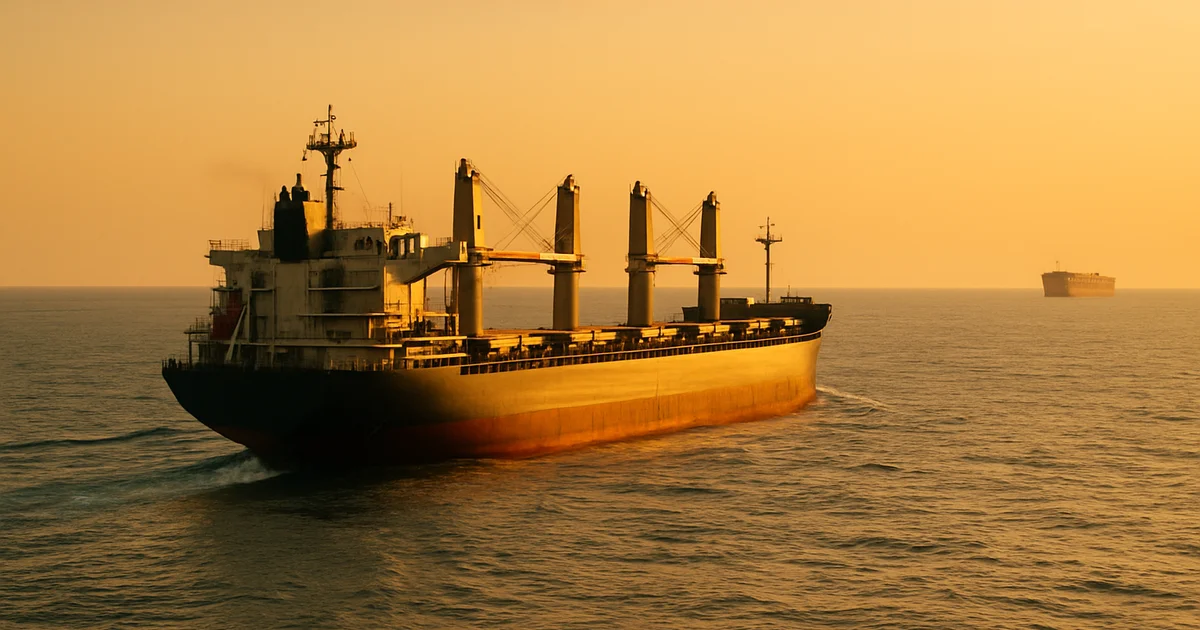
Ukraine, Russia, and Türkiye are central to ongoing disruptions in the Black Sea, which have significant implications for regional grain trade, energy logistics, and maritime transport security. These disruptions, exacerbated by recent vessel strikes in the Sea of Azov, are reshaping operational routes and affecting confidence in maritime travel.
The latest incidents in the Sea of Azov have not only disrupted shipping operations but have also impacted the movement of grain—a key export from the region. Grain shipments, critical to global supply chains, are likely to experience delays, affecting the trade dynamics in and out of the Black Sea. This holds substantial implications for nations reliant on these exports, emphasizing the geopolitical sensitivity of the area.
Energy logistics in the Black Sea are also experiencing repercussions from the instability. The energy corridors traversing this region are encountering increased risks, prompting stakeholders to assess alternative routes to ensure uninterrupted supply. Such adjustments may entail higher costs and logistical challenges, reflecting the complex interplay of geopolitical tensions on energy transportation.
Beyond trade and energy, the current situation has implications for maritime travel confidence. The persistent threat to vessel security may lead to heightened insurance premiums and rerouting, which could further stretch transit times and affect operating costs for shipping companies. This development necessitates a comprehensive reevaluation of security protocols to bolster safety and resilience in these waters.
Why this matters
The disruptions in the Black Sea region could have far-reaching impacts on global trade, particularly in agriculture and energy sectors. Routes that include the Black Sea as a transit point may face increased congestion, leading to delays in grain shipments that feed key markets. Similarly, energy supplies could face pricing pressures as companies navigate these geopolitical risks.
Vessel operators and maritime logistics firms need to account for potential rerouting and longer transit times, which could increase operational costs. The implications of these disruptions may extend to freight rates, influencing shipping agreements and contract negotiations.
From a security standpoint, the maritime industry's resilience in facing geopolitical disruptions will be tested. Ensuring the safe passage of vessels in contested waters could demand new security measures, impacting insurance premiums and operational strategies.
Moving forward, maritime operators will need to stay vigilant of developments in the Black Sea region, as geopolitical tensions between Ukraine, Russia, and Türkiye continue to influence global shipping lanes. Navigating these challenges will require strategic adjustments to maintain efficiency and security in maritime operations.