HD Hyundai, a prominent South Korean conglomerate, is reportedly in talks to acquire a significant shipyard located in the United States. According to industry sources, these discussions mark a strategic move for HD Hyundai as it seeks to expand its global footprint and enhance its shipbuilding capabilities. This potential acquisition highlights the company's ambition to increase its competitiveness in the global maritime sector.
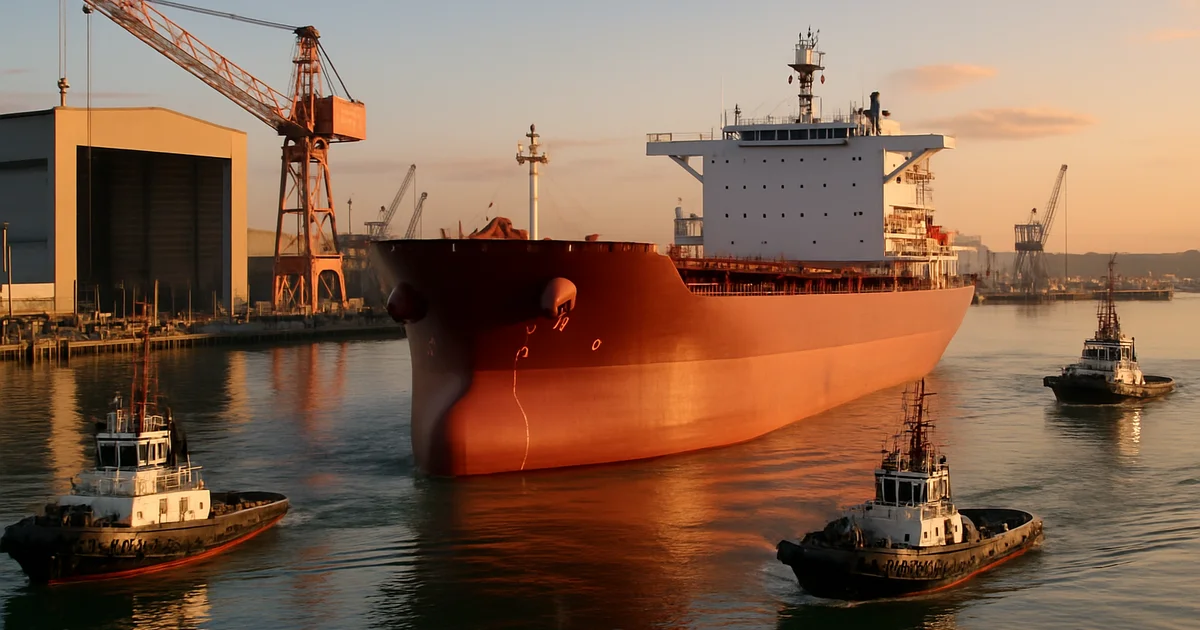
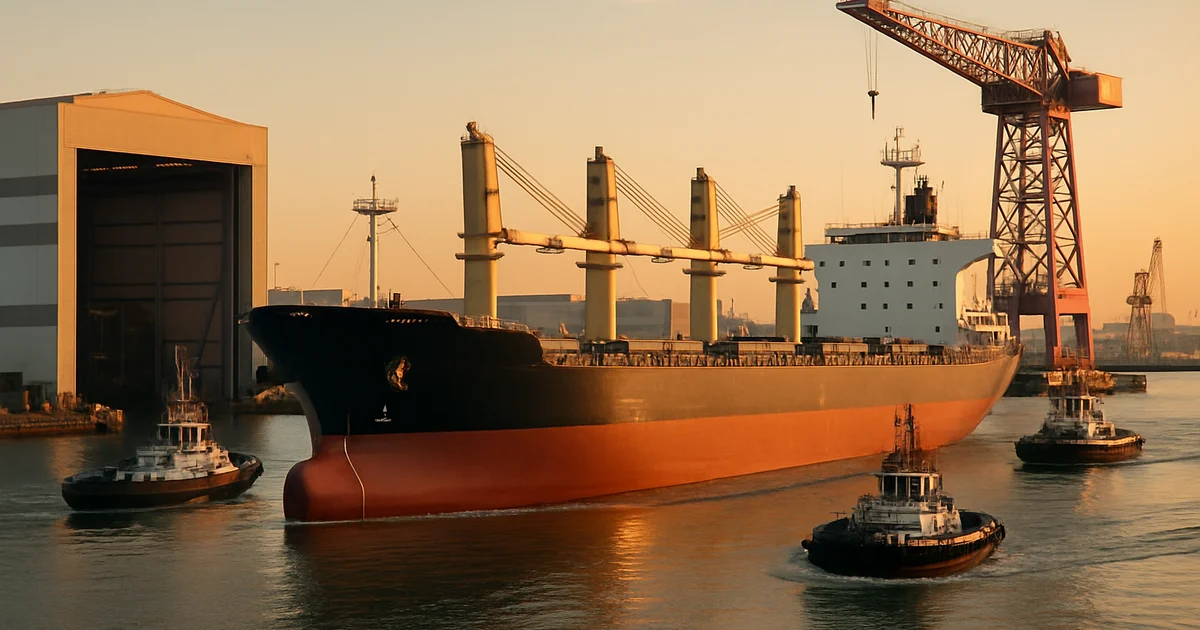
The shipyard under consideration is known for its capabilities in constructing a diverse range of vessels, including those used for both commercial and military purposes. Should this deal materialize, it could position HD Hyundai advantageously in the North American market, providing the conglomerate with a valuable asset for further expansion and growth opportunities.
Industry analysts suggest that this move by HD Hyundai is aligned with its long-term strategy to strengthen its presence in international markets. The potential acquisition underscores the importance of having a versatile and strategically located shipyard that can serve the North American maritime industry. Furthermore, this acquisition could lead to enhanced production capabilities and potentially drive innovation in shipbuilding processes.
Korea’s HD Hyundai has a well-established reputation in the maritime industry, with operations spanning shipbuilding, offshore construction, and engine manufacturing. This potential addition of a U.S.-based shipyard could complement its existing portfolio and provide a foothold in a significant market, further reinforcing its position as a global leader in the shipbuilding sector.
Why this matters
The potential acquisition of a U.S. shipyard by HD Hyundai holds strategic importance, primarily as it aligns with the conglomerate's objectives of diversifying and expanding its global operations. By securing a presence in North America, HD Hyundai can leverage local resources and tap into new markets, which may result in operational efficiencies and cost advantages.
Additionally, the acquisition could lead to increased collaboration opportunities between South Korean and U.S. maritime industries, fostering potential advancements in ship design and technology. Such a development may also influence the competitive dynamics of the shipbuilding industry, compelling other major players to reevaluate their global strategies.
From a regulatory perspective, this acquisition may prompt scrutiny and require compliance with both U.S. and South Korean regulations, emphasizing the complexity of international mergers and acquisitions in the maritime sector. Successfully navigating these challenges could set a precedent for future cross-border transactions.
The potential integration of the U.S. shipyard into HD Hyundai's operations could bring about innovations in production processes and technological advancements, potentially enhancing shipbuilding standards and efficiency. This strategic move might also have ripple effects across the global maritime industry, encouraging competitiveness and potentially lowering costs.
Should the acquisition proceed, maritime operators and stakeholders will likely monitor its outcomes closely, considering its implications for market dynamics and potential shifts in production and technological capabilities within the industry.