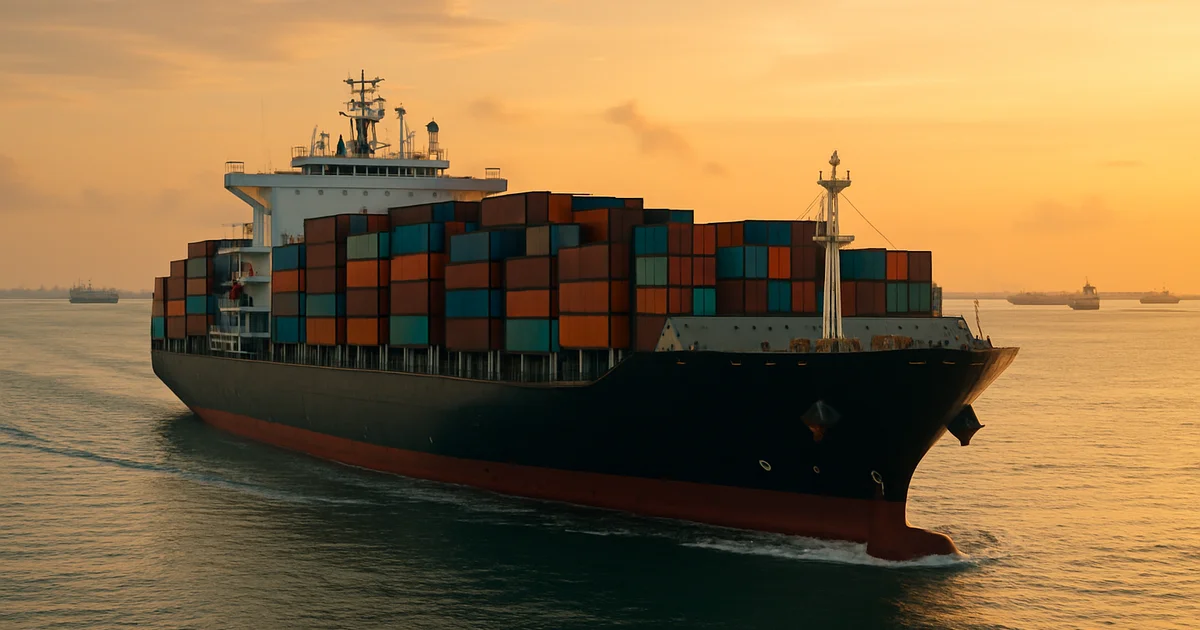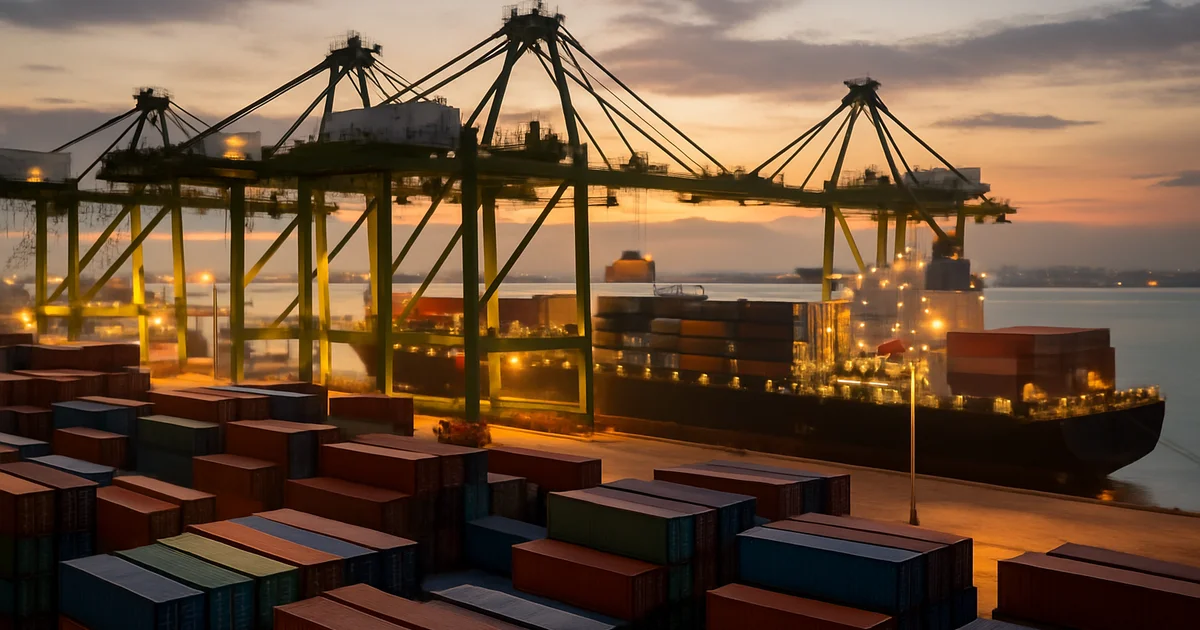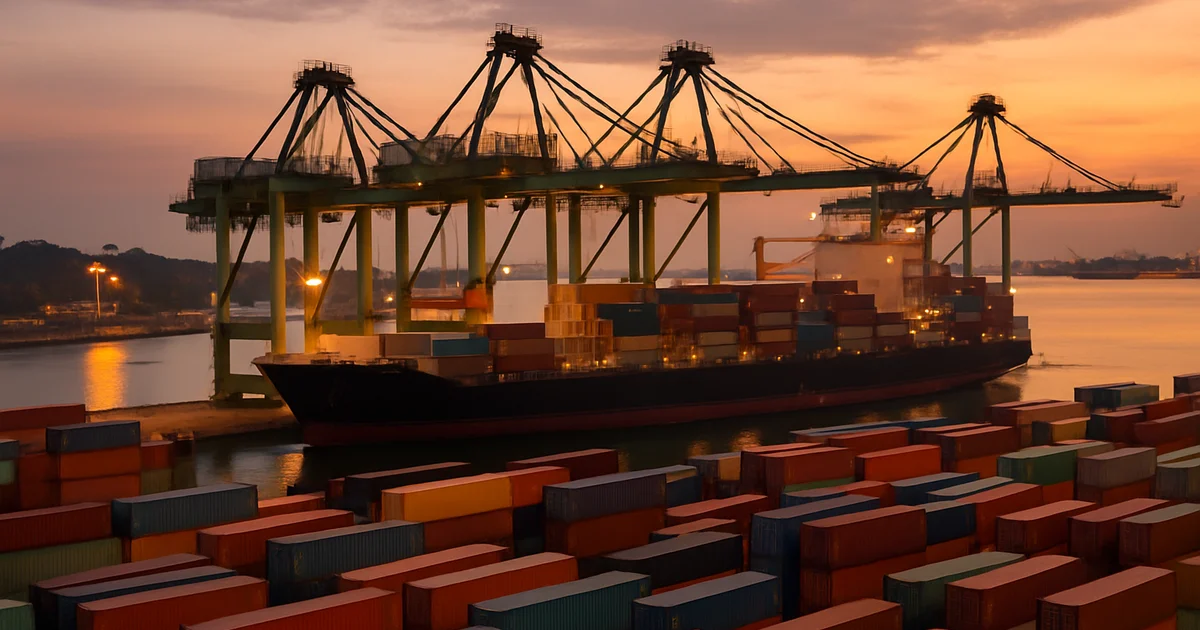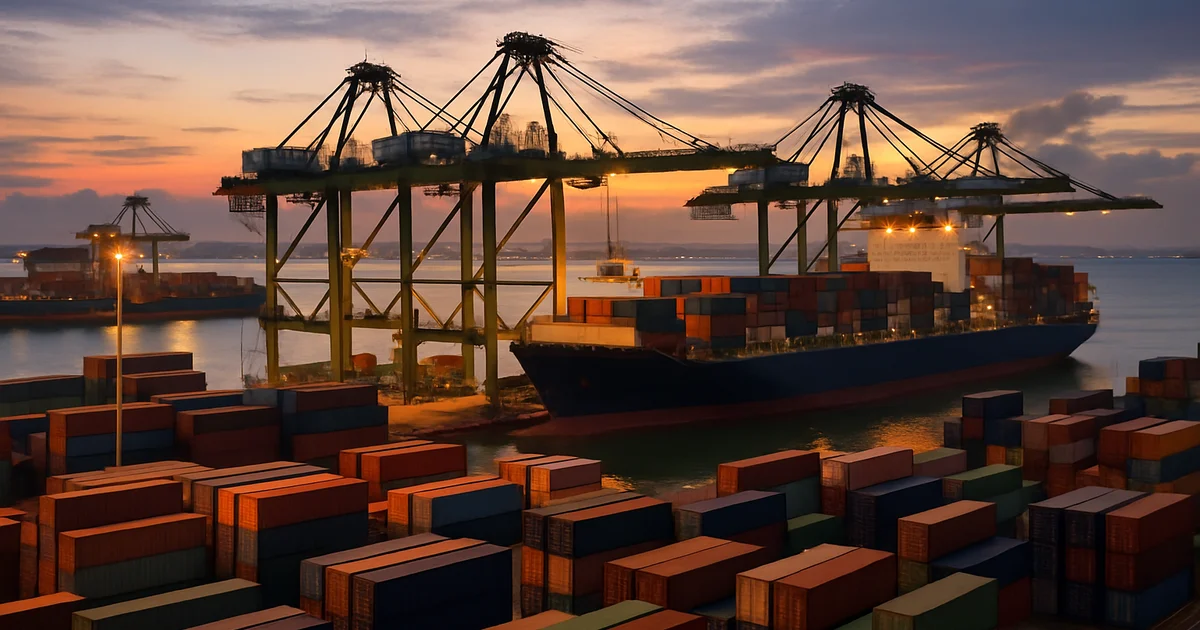
Singapore is poised to enhance its position as a leading hub for liquefied natural gas (LNG) bunkering in Asia with the addition of more industry players to its expanding network. This development follows the Maritime and Port Authority of Singapore (MPA) efforts to attract new entrants that can provide ship-to-ship (STS) bunkering services, ensuring sufficient LNG supply to meet the rising demand in line with decarbonisation goals.
The MPA has been actively expanding the LNG bunkering ecosystem by granting more licenses to fuel suppliers. As of recent updates, this initiative has witnessed an increase in the number of approved service providers, with Pavilion Energy, FueLNG, and TotalEnergies Marine Fuels featuring prominently as key players. These companies have been instrumental in scaling up delivery capabilities, leveraging Singapore’s strategic geographical position as the world's top bunkering port.
In support of this expansion, the MPA has collaborated closely with industry stakeholders to streamline operations and maintain service reliability. The Authority has also invested in infrastructure upgrades, facilitating the deployment of LNG bunker vessels with increased capacity and efficiency. Pavilion Energy, in particular, has launched new bunker vessels, including the "FueLNG Bellina" and "FueLNG Venosa," to bolster its fleet operations.
The strategic importance of Singapore's LNG bunkering capabilities is underscored by the International Maritime Organization’s (IMO) regulations on sulphur emissions and growing interest in alternative fuels. The industry's shift towards cleaner energy has prompted an increased uptake of LNG as a maritime fuel, demonstrated by growing enquiries and contracts from international shipping lines, keen to optimize their fleets to comply with the impending IMO 2020 regulations.
Why this matters
Expanding LNG bunkering capabilities in Singapore is significant for global shipping firms aiming to transition to cleaner fuels. By fortifying its LNG supply chain, Singapore addresses the operational adoption barrier faced by shipowners seeking reliable LNG bunkering services amid stringent environmental regulations.
The introduction of enhanced infrastructure and additional service providers supports the seamless integration of LNG into existing maritime operations. This development mitigates potential logistical and supply risks, reinforcing Singapore's maritime sector against fluctuating demand and supply chain constraints.
For maritime operators, the improved access to LNG directly links with cost efficiencies and competitive advantage. This offers a robust return on investment (ROI) for fleet upgrades and aligns with broader industry decarbonisation targets, fostering long-term commercial resilience.
Going forward, industry stakeholders must continue to monitor developments in LNG bunkering protocols and technological advancements. As Singapore strengthens its LNG infrastructure, staying informed on regulatory changes and technological innovations will be crucial for maritime operators seeking to capitalise on this evolving market.