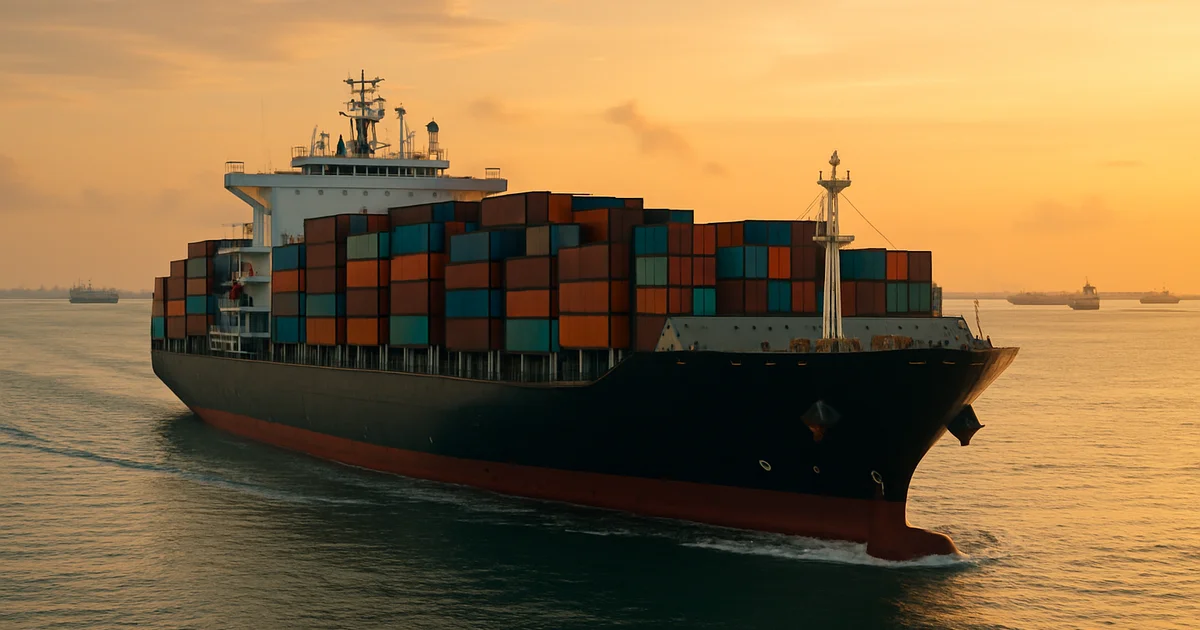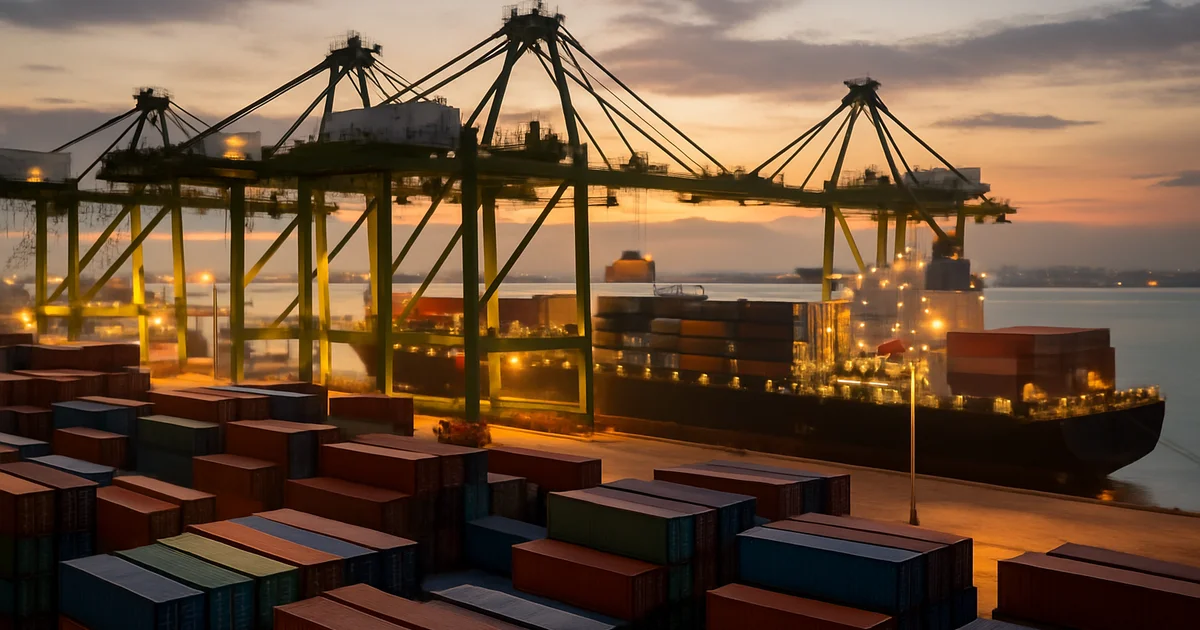
Singapore has taken a significant step in bolstering its position as a leading liquefied natural gas (LNG) hub with the Maritime and Port Authority of Singapore (MPA) awarding eight new LNG bunkering licenses. These licenses are set to become effective from September 2026, further cementing Singapore’s strategic role in the maritime LNG sector.
According to the MPA, this expansion aligns with its long-term strategy to enhance LNG bunkering capabilities and meet increasing global demand for cleaner marine fuels. This initiative is part of Singapore's broader efforts to maintain its competitiveness as a top bunkering port while supporting the maritime industry's transition towards sustainable energy solutions.
These new license awards follow an extensive evaluation process where potential licensees were assessed on their technical capabilities, financial health, and the alignment of their operational plans with Singapore's energy transition goals. The awarded entities are expected to meet the rigorous standards set by the MPA to ensure safe, efficient, and reliable LNG bunkering operations.
Why this matters
The issuance of new LNG bunkering licenses by Singapore is crucial for several reasons. It reinforces the country's status as a pivotal LNG refueling hub in the maritime industry, which holds significant operational and financial implications for vessel operators and owners engaged in LNG trade routes. As shipping companies increasingly opt for LNG to reduce carbon emissions, the availability of reliable refueling infrastructure becomes critical.
The move also impacts the broader market by potentially stabilizing LNG bunker prices through increased supply capacity. This operational shift is expected to attract more LNG-fueled vessels to Singapore, thereby strengthening its position in the global maritime supply chain.
Furthermore, the development of LNG bunkering in Singapore serves as a benchmark for other global ports looking to diversify their fuel offerings and improve their sustainability profiles. It demonstrates a proactive approach to regulatory compliance and environmental responsibility, which can influence shipping lanes and industry practices worldwide.
Looking ahead, the new licenses will likely drive infrastructure investments as operators gear up for commencement in 2026. This may include construction of new bunkering vessels and expansion of current facilities, preparing Singapore to handle increased LNG bunkering volumes, which, in turn, supports its strategy to maintain a leading edge in maritime decarbonisation efforts.