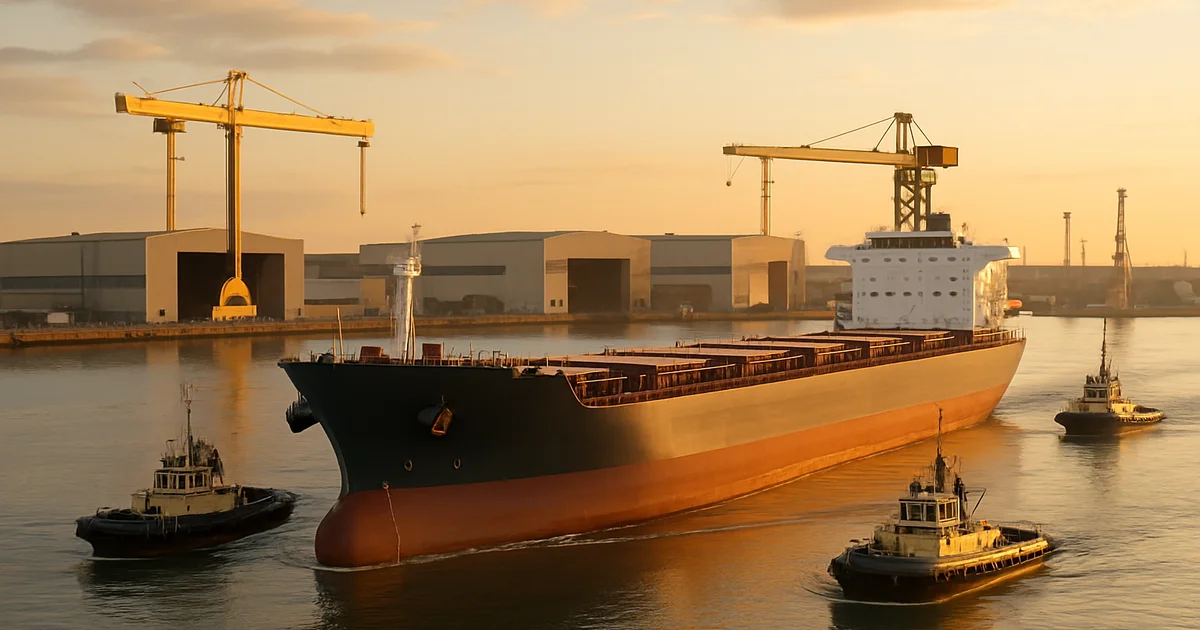
Jumbo Maritime, a Dutch heavy-lift shipping specialist, has placed an order for two advanced L-Class heavy lift vessels in a contract with Royal IHC, an established Dutch shipbuilder. The vessels are slated for delivery in 2024 and 2025, as part of Jumbo’s fleet renewal strategy targeting enhanced operational capability and sustainability. The announcement reflects the company’s sustained focus on offshore energy support and project logistics.
The newly ordered vessels will feature enhanced technical specifications tailored for large-scale offshore transportation. Each L-Class vessel is designed with a combined crane lift capacity of 3,000 tonnes and semi-submersible capabilities, enabling operations with unrivaled scale and precision. According to Jumbo Maritime, the vessels will include advanced propulsion systems with IMO Tier III-compliant engines, ensuring emissions reduction in line with decarbonisation mandates. The hull forms are optimized for energy efficiency, further decreasing fuel consumption during voyages.
Royal IHC CEO Gerben Eggink remarked on the collaboration, stating, “This order marks a milestone for Royal IHC and solidifies our relationship with Jumbo Maritime. These vessels will push boundaries for heavy-lift design in terms of both capacity and sustainability." Eggink noted that the project aligns with industry demands for energy-efficient vessels in the heavy-lift sector.
Jumbo Maritime operates within competitive offshore logistics and energy sectors, where demand for modern assets has grown amid surging offshore wind deployments and oil and gas decommissioning. The move signals greater capability alignment for Jumbo to address increasingly complex subsea installation and project cargo handling requirements. The company currently operates diverse vessels within the heavy-lift category but is focusing on lowering carbon emissions to comply with International Maritime Organization (IMO) and European Union Emissions Trading System (EU ETS)
Why this matters
The order for new L-Class vessels positions Jumbo Maritime as a forward-thinking firm within the increasingly regulated maritime sector, particularly in heavy-lift operations. By choosing Tier III engines and energy-efficient hull designs, the company prioritizes compliance with IMO standards while aiding asset competitiveness in the offshore market. Shipowners slow to adopt sustainable fleet upgrades face operational constraints as environmental regulations tighten globally. The inclusion of semi-submersible capabilities further addresses market demands for versatile infrastructure transport solutions, particularly for renewable energy installations such as offshore wind farms.
Operationally, the sector shows a pronounced shift towards investment in multipurpose vessels capable of meeting complex offshore requirements without compromising emission targets. This development could increase pressure on competitors to modernize fleets similarly or risk losing market share in offshore wind projects and complex subsea logistics. Asset competitiveness increasingly hinges on the capability to handle oversized cargo with reduced environmental footprints, creating new dynamics in heavy-lift charter negotiations.
The strategic timing of Jumbo’s fleet expansion comes amid heightened demand for logistics surrounding offshore renewables. Project operators are allocating higher budgets to environmentally compliant vessels, granting firms such as Jumbo an operational edge in project bids. Additionally, Royal IHC’s involvement reflects increased collaboration between shipyards and operators fostering shipbuilding tailored to project-specific requirements in low-emission settings.
Jumbo Maritime’s newbuilding initiative demonstrates an actionable step toward addressing the dual priorities of operational scalability and environmental compliance. Close industry tracking will center on the L-Class vessels’ integration into Jumbo’s growing market niche, particularly its ability to serve offshore wind developments and subsea installations effectively. Given expanding regulations, vessel operators will need to weigh retrofit costs against new orders, a decision that will shape asset strategies across the heavy-lift segment for years ahead.