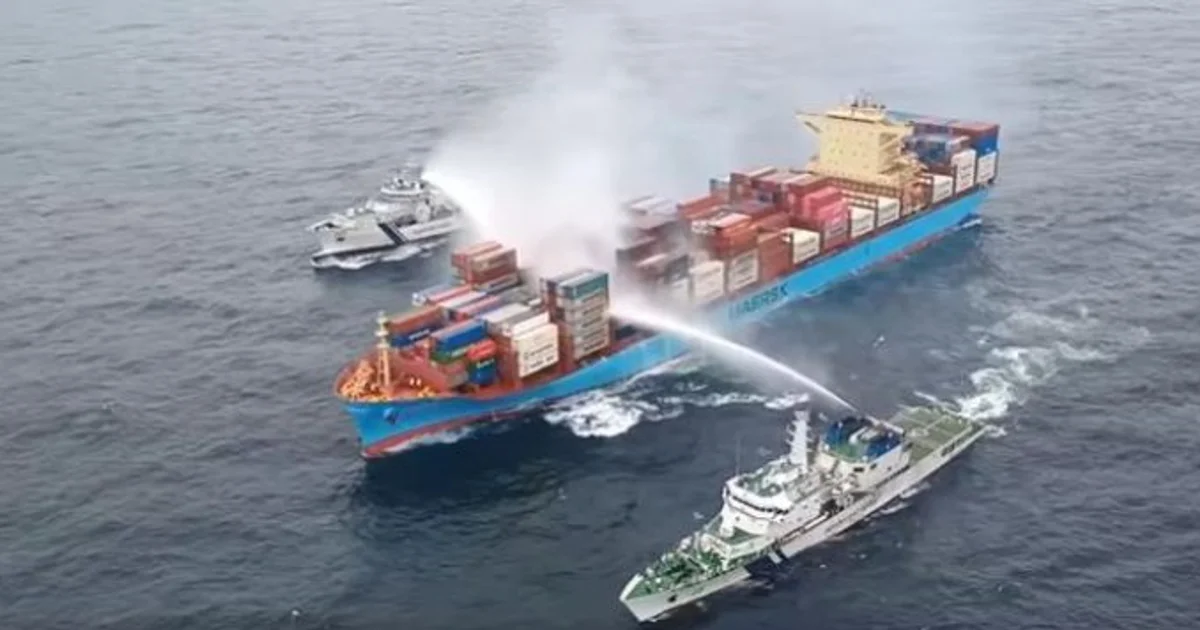
Maersk is spearheading efforts within the container shipping industry to address rising concerns over cargo weight misdeclarations, an issue that has come under intense scrutiny following multiple marine accidents along the Indian coastline. These incidents have exposed serious risks associated with inaccurate declarations of cargo weights and contents, prompting the Denmark-headquartered shipping giant to enhance compliance measures and implement stricter oversight practices.
Cargo weight misdeclarations represent a significant operational challenge, raising safety, security, and efficiency concerns across the supply chain. According to industry observers, recent accidents along major trade routes demonstrate the gravity of the issue and the direct link to compromised vessel stability. In response, Maersk is adopting proactive measures to improve verification processes and encourage transparency among shippers. While specific policy changes remain undisclosed, the initiative signals a major step towards increasing awareness and accountability within the maritime logistics sector.
Misdeclared cargo can have devastating consequences for crew safety, vessel integrity, and port terminal operations. In severe cases, incorrect weight declarations can lead to container stack failures, onboard fire risks, or grounding events, disrupting trade flows and incurring significant financial losses. Maersk's focus on addressing these challenges aims not only to safeguard its fleet but also to set a benchmark for compliance practices, compelling other industry participants to review and adjust their operational protocols.
The shipping sector has faced mounting pressure to minimize incidents tied to misdeclarations, pushing stakeholders to advocate for reform in both regulatory and technological approaches. The company’s proactive stance could encourage broader adoption of digital tools, such as weight-based sensors for cargo verification and automated tracking systems. These advances are increasingly viewed as key enablers for enhancing cargo declaration compliance and ensuring safer operations.
Why this matters
The implications of addressing misdeclared cargo are far-reaching for the container shipping industry. For shipowners and operators, failure to accurately declare weight and content leads to greater safety hazards, including potential loss of life and damage to vessels, while increasing exposure to insurance claims and legal liabilities. Improved cargo declaration practices could reduce incidents such as collapses of container stacks or misladen vessels, enhancing operational reliability and reducing downtime.
Regulatory bodies and classification societies are also closely monitoring these developments. Enhanced compliance measures may result in stricter enforcement of existing IMO guidelines, such as the mandatory Verified Gross Mass (VGM) rule under the SOLAS convention, which could impose additional costs on operators. Meanwhile, terminal operators would benefit from smoother handling processes due to fewer disruptions caused by inaccurate weight data.
Freight forwarders and charterers face potential shifts in accountability if stricter oversight cascades across the supply chain, requiring them to implement more rigorous validation procedures before cargo acceptance. Additionally, manufacturers and exporters may see increased scrutiny over documents provided at origin points, demanding investment in training and education to navigate evolving compliance expectations effectively.
Maersk’s leadership in tackling this challenge could catalyze industry-wide change, compelling other major shipping lines to follow suit. Operators should prepare for potential regulatory tightening and adapt their systems to improve weight verification and transparency mechanisms. The framework that evolves from Maersk's initiative may ultimately become a standard for risk mitigation in global container trade.