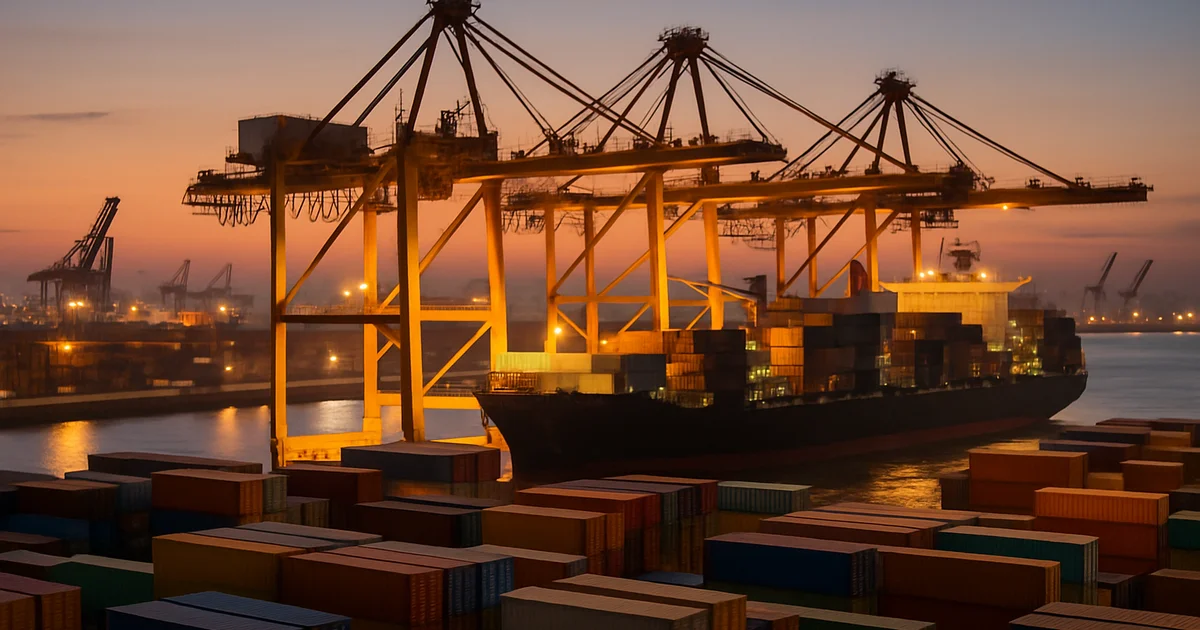
Transport: Maritime Vessels Focus on Transition Fuels
The maritime industry is increasingly shifting its focus toward alternative fuels as a means to meet stringent environmental regulations and reduce carbon emissions. With the International Maritime Organization (IMO) pressing forward with mandates for decarbonization, shipowners and operators are actively exploring various fuel options. These alternatives include LNG, biofuels, methanol, hydrogen, and ammonia, each offering different levels of emission reductions and operational benefits.
Data from the International Maritime Organization (IMO) indicates that LNG is currently the most popular alternative fuel, with many newbuilds being fitted with dual-fuel capabilities, allowing them to switch between conventional fuel oil and LNG. Major shipyards such as Hyundai Heavy Industries, Daewoo Shipbuilding & Marine Engineering, and Samsung Heavy Industries have reported an increase in orders for LNG-capable vessels, reflecting this trend.
In Europe, the use of biofuels is gaining traction, thanks to support from government policies aimed at reducing the carbon footprint of shipping activities. Companies like Maersk and Shell are investing in biofuel projects that utilize waste cooking oil and other sustainable sources to produce less polluting diesel alternatives.
Meanwhile, methanol and hydrogen are being considered as viable fuels for the future, particularly in short-sea shipping and rapid ferry deployments. Operators such as Stena Line are experimenting with methanol, promising significant reductions in sulfur oxides (SOx) emissions. Hydrogen, with its zero-carbon emission profile when used in fuel cells, is another area of interest, but its high production costs and storage requirements remain a challenge.
Another emerging alternative is ammonia, which, like hydrogen, does not emit carbon upon combustion. Ammonia holds promise as a scalable fuel option, with research and pilot projects led by entities such as the Maersk Mc-Kinney Moller Center for Zero Carbon Shipping exploring efficient production and consumption techniques.
Why this matters
The focus on transitional fuels by the maritime sector is crucial in addressing climate change concerns and adhering to international emissions regulations. Adopting these alternative fuels impacts trade routes and vessel operations by necessitating infrastructure upgrades at ports to handle new fuel types. This transition also influences shipping costs due to the investment required in new technology, fuel supply chains, and training for onboard crew to safely handle and operate alternative fuel vessels.
The ongoing transition impacts vessel design and the competitive landscape in shipbuilding, as demand increases for innovative designs capable of accommodating multiple fuel types. Furthermore, it highlights the critical role of policy and regulation in directing the pace and nature of this transformation as operators seek stability and clarity from regulatory frameworks.
Looking ahead, the flexibility and adoption of a multi-fuel future will likely dominate industry strategy as operators strive to balance environmental compliance with economic viability. Shipping companies and port operators need to prioritize adaptability, investing in infrastructure and technology to support diverse fuel types while maintaining a focus on operational efficiency and safety.