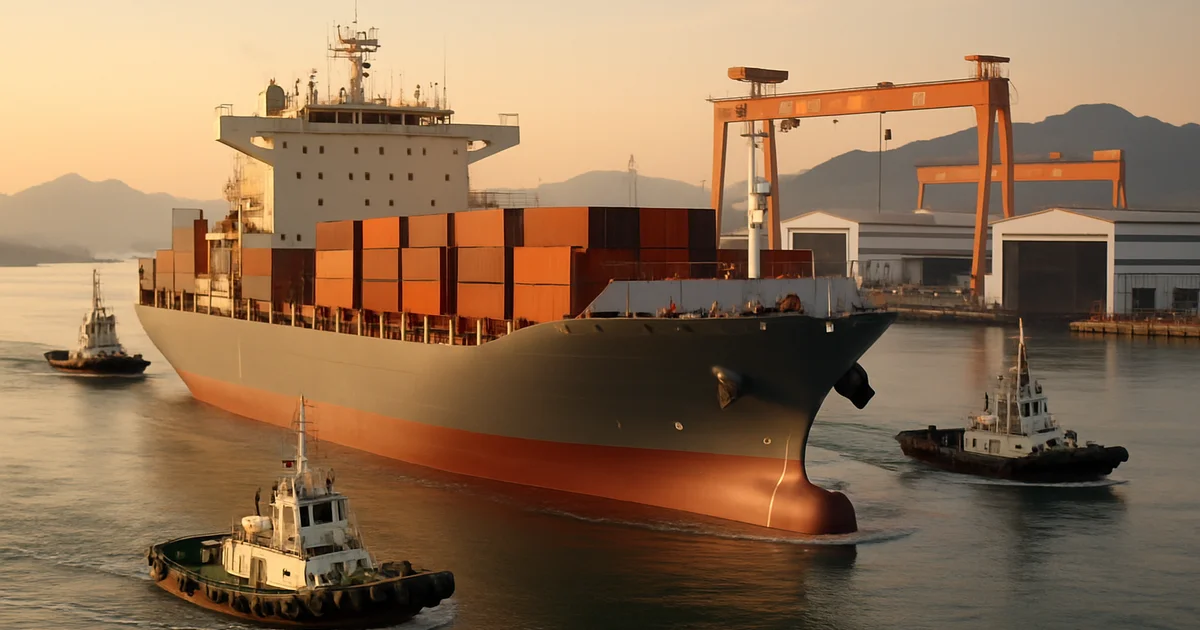
CMA CGM has expanded its Asia-Europe service capacity with the addition of a new 24,212 TEU containership, which is now part of its French Asia Line (FAL). This vessel joins the fleet amid ongoing strategic fleet changes within the global shipping network.
The newly introduced vessel, named CMA CGM Marguerite, represents one of the largest containerships globally by container capacity, enhancing CMA CGM's operational capacity on its pivotal Asia-Europe route. The naming and inclusion of this ship marks a continuation of the company's expansion strategy to enhance service delivery and efficiency across significant trade corridors.
According to CMA CGM, the Marguerite was constructed with advanced hull design and propulsion systems, aiming for reduced energy consumption and lowered greenhouse gas emissions, embedding environmental objectives within its operational ethos. Furthermore, its design aligns with emissions regulations, positioning the vessel to meet stricter future standards efficiently.
Commenting on the addition, Rodolphe Saadé, Chairman and CEO of CMA CGM, stated that the delivery of CMA CGM Marguerite underscores the company’s commitment to sustainable shipping and operational enhancement on significant routes. He highlighted the company's focus on incorporating vessels that comply with environmental regulations without compromising capacity or efficiency.
This delivery occurs at a time when the shipping industry is navigating through fluctuating market demands and evolving environmental regulations. The integration of more extensive, eco-friendly ships is seen as a strategic response to address these challenges, facilitating broader service coverage while maintaining compliance with international maritime regulations.
Why this matters
This expansion is crucial for the competitive landscape of the Asia-Europe trade lane, where CMA CGM competes with other major carriers like Maersk and MSC. The introduction of larger vessels capable of carrying more cargo per voyage enhances economies of scale and could lead to lower operational costs, impacting freight rates positively for shippers.
Furthermore, the CMA CGM Marguerite aligns with the shipping industry's decarbonization efforts, addressing both regulatory compliance and consumer demands for sustainable logistics solutions. As environmental considerations become increasingly pivotal in shipper decisions, such capabilities provide a competitive edge.
From a trade and logistics perspective, the expanded capacity potentially mitigates congestion impacts on high-demand routes, ensuring timely delivery of commodities and consumer goods between Asia and Europe, which are key economic regions globally.
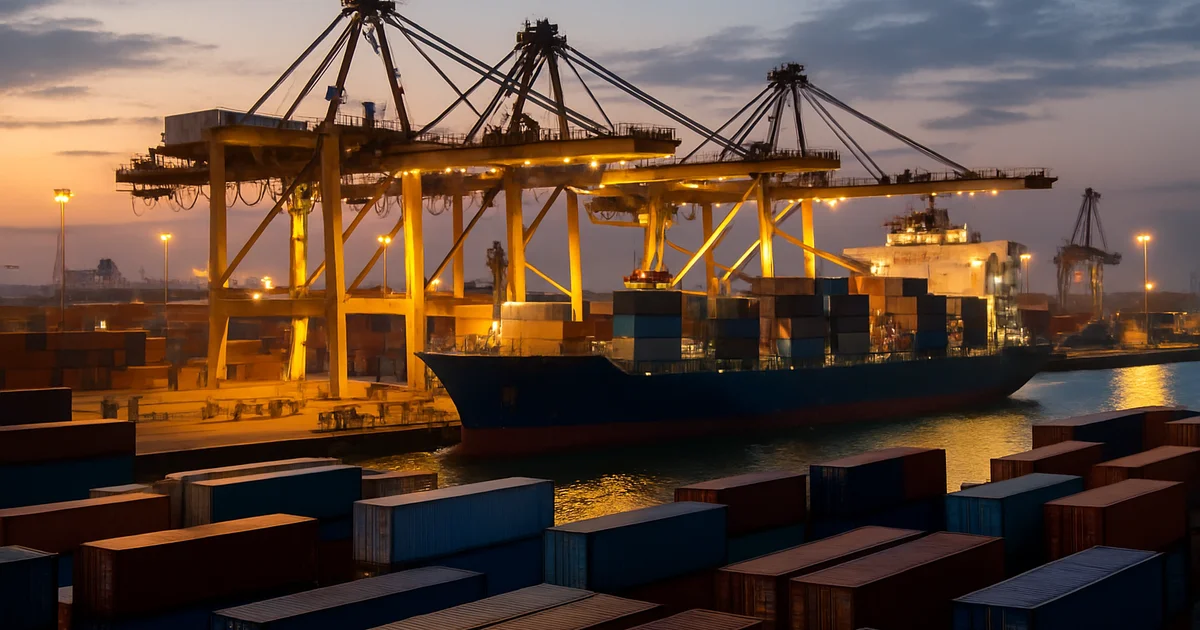
The integration of large, environmentally-friendly vessels has broad implications for port operations as well, necessitating adaptations in handling and berthing capacities to accommodate such ships, influencing port investment and development strategies moving forward.
For industry stakeholders, the arrival of CMA CGM Marguerite signals the continuing evolution toward larger, more efficient shipping solutions that correspond with economic, regulatory, and operational demands. Observers will watch how this affects freight rates, fuel consumption, and emissions across CMA CGM's service network, as well as any adjustments ports may make to accommodate these giant vessels.