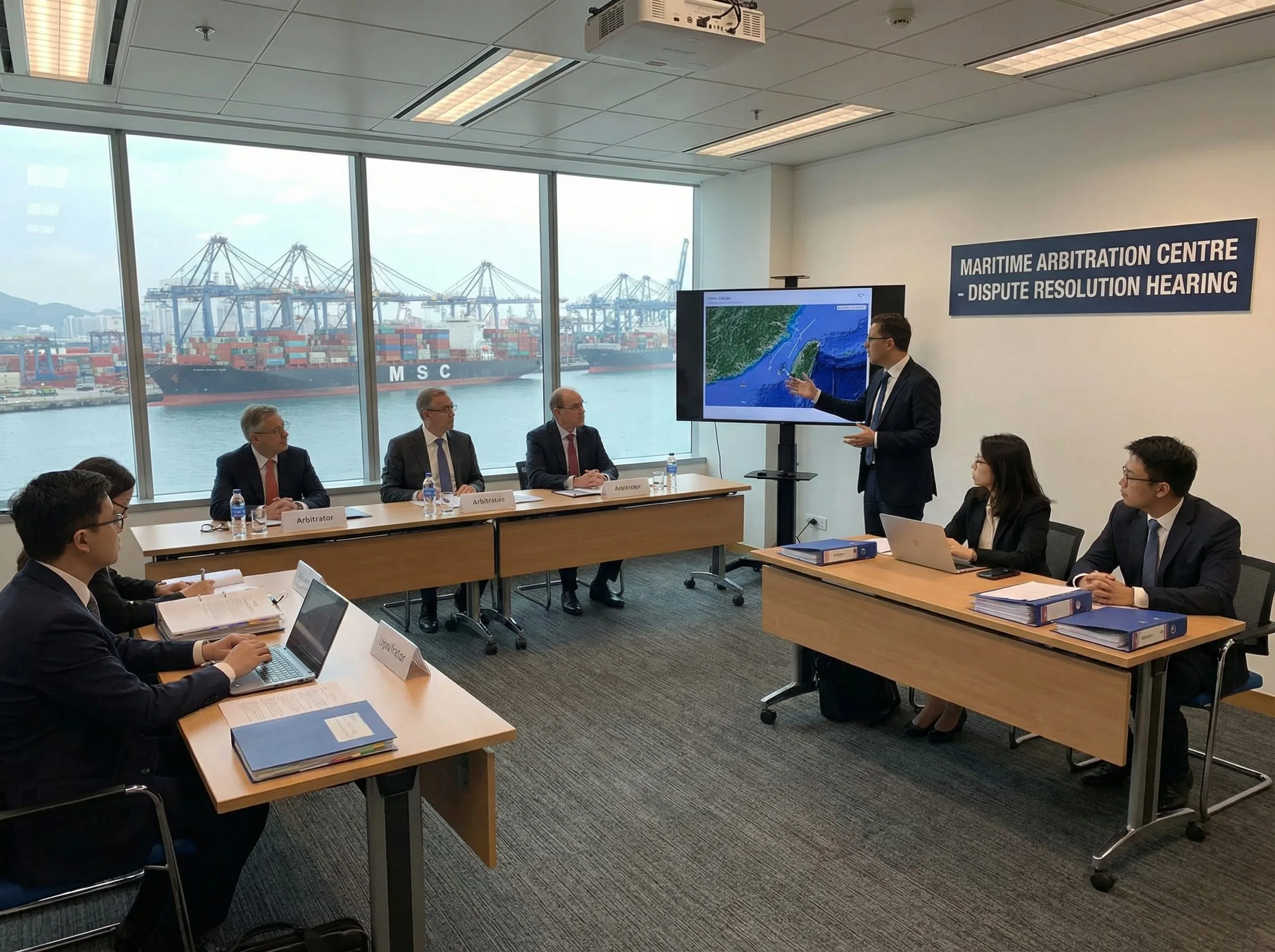
Dispute resolution within the maritime industry plays a central role in preserving the operational fluidity and trust necessary to sustain global commerce, which relies on ships to transport over 80% of traded goods worldwide. The intricate, international nature of shipping creates fertile ground for conflicts among stakeholders, including shipowners, charterers, cargo interests, insurers, and shipbuilders. Common disputes arise from contractual disagreements, operational mishaps, and insurance claims. Consequently, effective resolution mechanisms are critical to minimizing interruptions and ensuring business continuity.
Understanding Maritime Disputes
Maritime disputes primarily originate from the following areas:
- Charter Party Agreements: Issues such as freight charges, demurrage, laytime disputes, and vessel performance discrepancies.
- Bills of Lading: Claims linked to the cargo, including damage, delay, or misdelivery.
- Shipbuilding and Repair Contracts: Disputes concerning construction delays, quality standards, or incomplete payments.
- Operational Incidents: Collisions, vessel groundings, pollution events, and disagreements over salvage operations.
- Insurance Claims: Coverage limits and liability disputes between insurers and insured parties.
Given the high monetary stakes and the cross-border interactions inherent in shipping, specialized forums and mechanisms are sought to address and settle differences efficiently, transparently, and professionally.
Arbitration as the Preferred Resolution Tool
Among dispute resolution methodologies, arbitration has gained wide preference in maritime disagreements thanks to its inherent advantages:
- Expertise: Arbitrators often specialize in maritime practices, ensuring decisions stem from informed, industry-specific perspectives.
- Neutrality: Proceedings can be arranged in neutral venues worldwide, sidestepping potential biases associated with national courts.
- Confidentiality: Arbitration proceedings are private, safeguarding sensitive commercial information for both parties.
- Efficiency: The arbitration process is typically faster than traditional litigation, employing streamlined and flexible procedures.
- Enforceability: Awards issued through arbitration are broadly enforceable under the provisions of the New York Convention across 160 countries.
Prominent arbitration centers servicing the maritime sector include the London Maritime Arbitrators Association (LMAA), Singapore Chamber of Maritime Arbitration (SCMA), Hong Kong Maritime Arbitration Group (HKMAG), and those in New York.
The Arbitration Framework
Resolving maritime disputes through arbitration follows a structured approach:
- Initiation: Disputes are referred to arbitration under the provisions within contractual resolution clauses.
- Selection of Arbitrators: Parties appoint arbitrators individually or collaboratively form a panel.
- Submissions and Evidence: Documents are exchanged digitally to streamline case-building.
- Hearings: Oral proceedings may occur, though some disputes are resolved on written evidence alone.
- Award: Arbitrators issue binding adjudications enforceable across jurisdictions.
Alternative Dispute Resolution (ADR) Methods
Alongside arbitration, the maritime industry employs several other Alternative Dispute Resolution mechanisms:
- Mediation: Facilitated negotiation by a neutral third party, typically culminating in voluntary agreements.
- Conciliation: Similar to mediation but may involve active proposals and recommendations by the conciliator.
- Expert Determination: Technical matters adjudicated by agreed specialists whose rulings may hold binding force.
ADR processes often offer quicker and less adversarial solutions than arbitration or litigation, allowing parties to preserve professional relationships.
Legal Frameworks and Maritime Conventions
Resolution of maritime disputes rests on the application of specialized legal frameworks and international conventions:
- International Maritime Organization (IMO) guidelines and codes.
- United Nations Convention on the Law of the Sea (UNCLOS).
- Carriage rules, including the Hague-Visby Rules, Hamburg Rules, and Rotterdam Rules.
Engaging expert legal advisors ensures adherence to these regulations while navigating multifaceted maritime conflicts.
Why this matters
Maritime arbitration and dispute resolution mechanisms are indispensable for safeguarding the integrity of global shipping operations. Given the industry's cross-border nature, unresolved disputes can propagate delays, escalate financial losses, and strain commercial relationships. Arbitration’s enforceability under the New York Convention ensures that judgments can be upheld internationally, which is invaluable in a sector defined by global interconnectivity.
For shipowners and charterers, robust arbitration methods help sustain operational stability during high-value contractual disputes. Insurers benefit from industry-specific resolution processes addressing liability disagreements. Cargo interests can leverage ADR tools for faster resolutions of claims involving damage or delays without risking litigation costs. Lastly, rapid conflict management supports the maritime supply chain’s adaptability during times of geopolitical uncertainty and economic pressure.
As companies evaluate their dispute resolution strategies, careful incorporation of arbitration clauses into contracts combined with preemptive conflict mitigation practices will remain essential in navigating complexities across vessel operations, chartering, and logistics. Considering trends in regulatory expansion, operators should prepare to mitigate disputes promptly to retain competitive edge within heavily scrutinized legal environments.