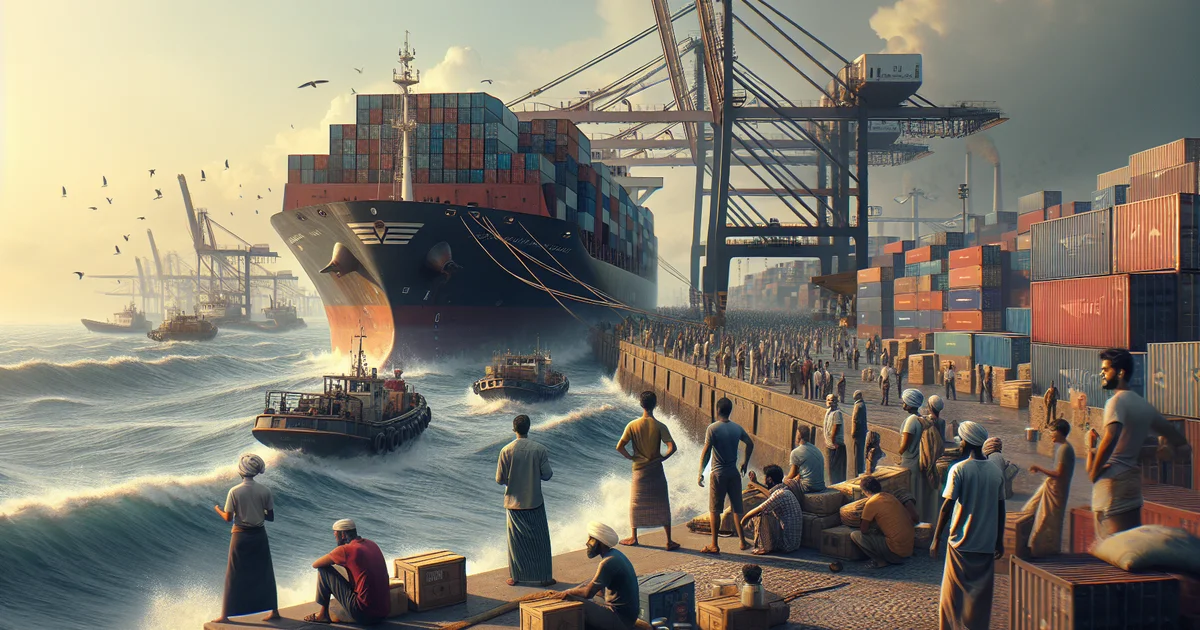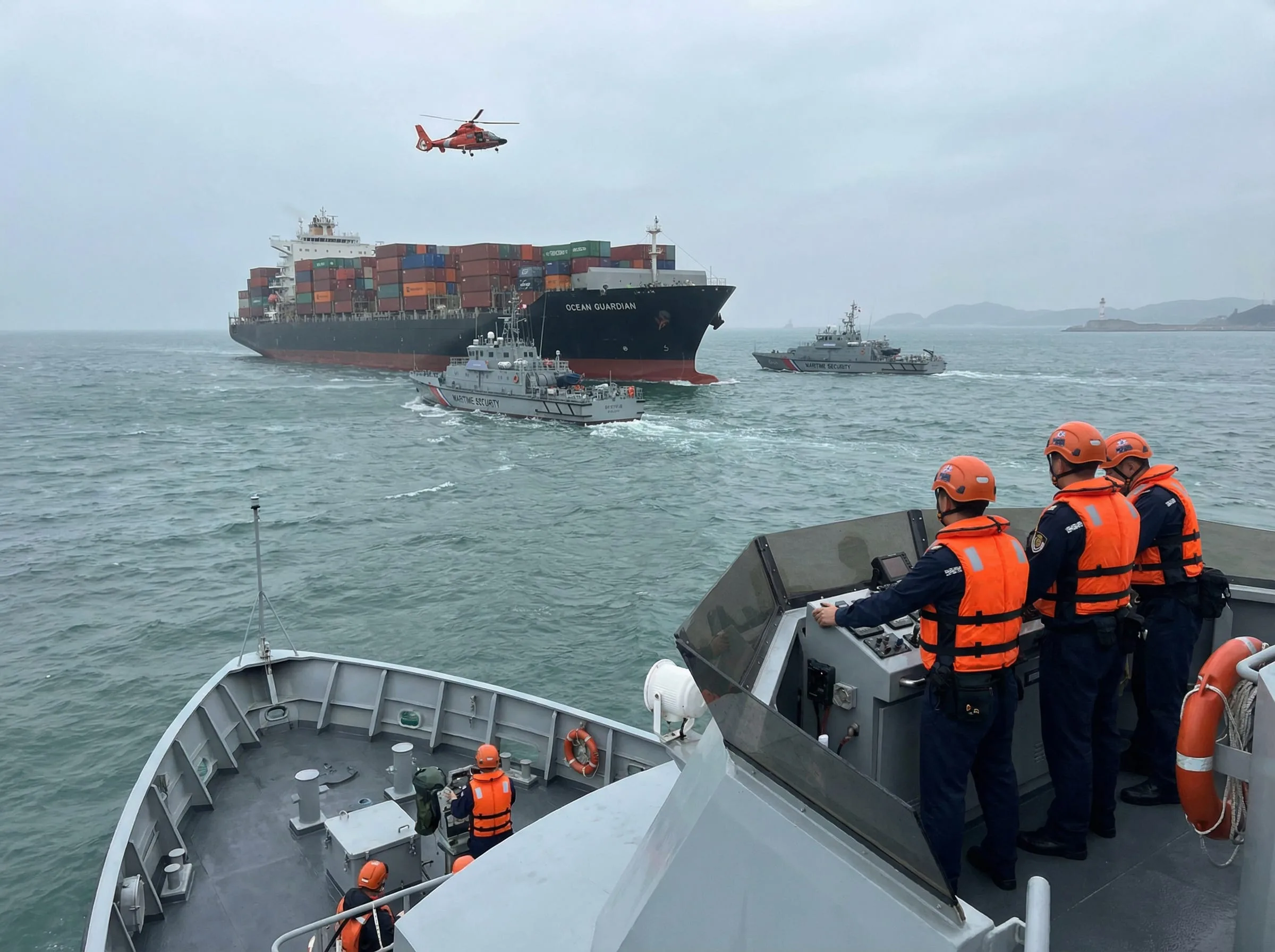
Piracy, cybersecurity, and comprehensive risk management are among the key challenges currently facing the maritime industry, which transports over 80% of global goods by sea. Ensuring the safety of ships, cargo, and crew is critical for sustaining the integrity of international trade and supply chains. Security protocols, technology investment, and industry collaboration are essential for mitigating threats in this complex and dynamic sector.
Key Threats in Maritime Security
Piracy remains a significant concern, particularly in high-risk areas like the Gulf of Guinea, Southeast Asia, and the Horn of Africa. Recent trends show an increase in attacks targeting oil tankers and container ships, with perpetrators employing sophisticated tactics, including the use of mother ships and advanced weaponry. While hotspots continue to shift due to enhanced naval patrols and regional collaboration, piracy remains disruptive, jeopardizing vessel operations and seaborne trade.
Cybersecurity vulnerabilities are escalating as vessels become more reliant on digital systems for navigation, communication, and cargo management. Cyber incidents like ransomware attacks on shipping companies, GPS spoofing, data manipulation, and unauthorized access to vessel control systems represent significant risks that could compromise both operational safety and global logistics.
Risk management in the maritime domain involves monitoring a broad array of challenges, including natural disasters, territorial disputes, political instability, regulatory changes, and insurance considerations. Weather-related incidents such as hurricanes and cyclones, geopolitical tensions near critical shipping routes, and compliance with frameworks like the IMO 2020 and ISPS Code highlight the intricate complexity of managing such risks effectively.
Best Practices for Vessel and Cargo Protection
Ship operators are advised to implement robust security protocols, including regular risk assessments, vulnerability audits, and enhanced physical defenses such as razor wire or water cannons. Crew training on anti-piracy measures and emergency response procedures is equally paramount.
To mitigate cybersecurity risks, maritime stakeholders should prioritize software updates, employ encryption for communication systems, use strong authentication measures, and monitor network activity vigilantly. Establishing comprehensive cyber incident response plans is now vital for modern fleet operations.
Collaborative initiatives such as intelligence sharing with other shipping companies, joint patrols, and engagement with international organizations like the International Maritime Organization (IMO) and INTERPOL further bolster maritime security. Technology investments in advanced surveillance systems, autonomous vessels, and blockchain for cargo documentation can add a critical layer of protection.
Why this matters
Security and safety challenges in maritime operations directly influence supply chain reliability and cost structures across global trade networks. Piracy hotspots disrupt charter schedules, increase insurance premiums, and impose operational delays, while cyber incidents jeopardize critical systems essential for vessel navigation and shipping schedules.
The evolving regulatory landscape, from IMO decarbonization mandates to cyber compliance requirements, poses operational and financial burdens on shipowners and operators. Non-compliance could lead to port detention, reputational damage, and loss of market share, underscoring the urgent need for proactive solutions.
Advanced technologies like autonomous drones and blockchain present opportunities to redefine security practices, but they require considerable investment and technical expertise. Smaller operators, in particular, face challenges in adopting these technologies due to resource constraints.
Ultimately, collaborative measures improve resilience by pooling resources and intelligence. Joint patrols by regional forces and the sharing of threat data reduce individual burdens while optimizing security outcomes across shipping lanes.
The maritime industry must now weigh the cost and practicality of advanced technologies against the increasing severity of risks. Operators, regulators, and industry stakeholders should focus on integrating these solutions to ensure balanced, scalable security strategies that safeguard trade without overly burdening vessel operations.