West Asian Cargo: Increased Risk Premiums Due to War Disruptions; Shipping Routes Adjusted - The Sunday Times, Sri Lanka
West Asian cargo: War disruptions push up risk premiums; shipping routes reshaped The Sunday Times, Sri Lanka
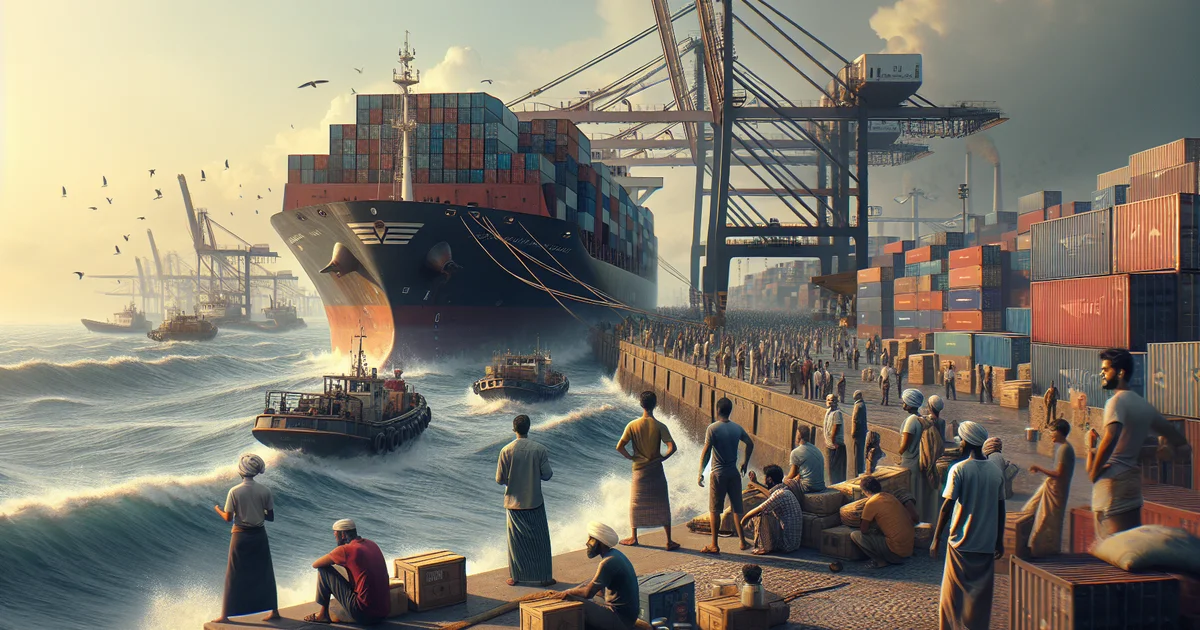
Recent disruptions caused by conflicts in West Asia have led to increased risk premiums in the maritime shipping sector. These developments have resulted in alterations to established shipping routes as companies seek to navigate the complexities introduced by the ongoing tensions in the region.
Shipping companies are facing heightened costs due to factors such as insurance premiums and the need for more secure transport routes. The conflicts have raised concerns about the safety of shipping operations, prompting many firms to reassess their logistics and supply chains. As a result, some shipping lines are opting for longer routes that may involve additional fuel and operational expenses.
The geopolitical situation in West Asia has also influenced global trade dynamics. Areas previously considered stable for shipping are now perceived as higher-risk zones, leading to a cautious approach among shipping operators. This has created a ripple effect in the supply chain, with delays and increased costs impacting various industries reliant on maritime transport.
Furthermore, traders and shipping companies are actively seeking alternative routes that minimize risk exposure. These adjustments to shipping lanes may lead to longer transit times and altered trade patterns as companies adapt to the evolving landscape.
Overall, the ongoing conflicts in West Asia are reshaping the maritime shipping industry, with companies adjusting their operations to address the new challenges and risks presented by the situation.