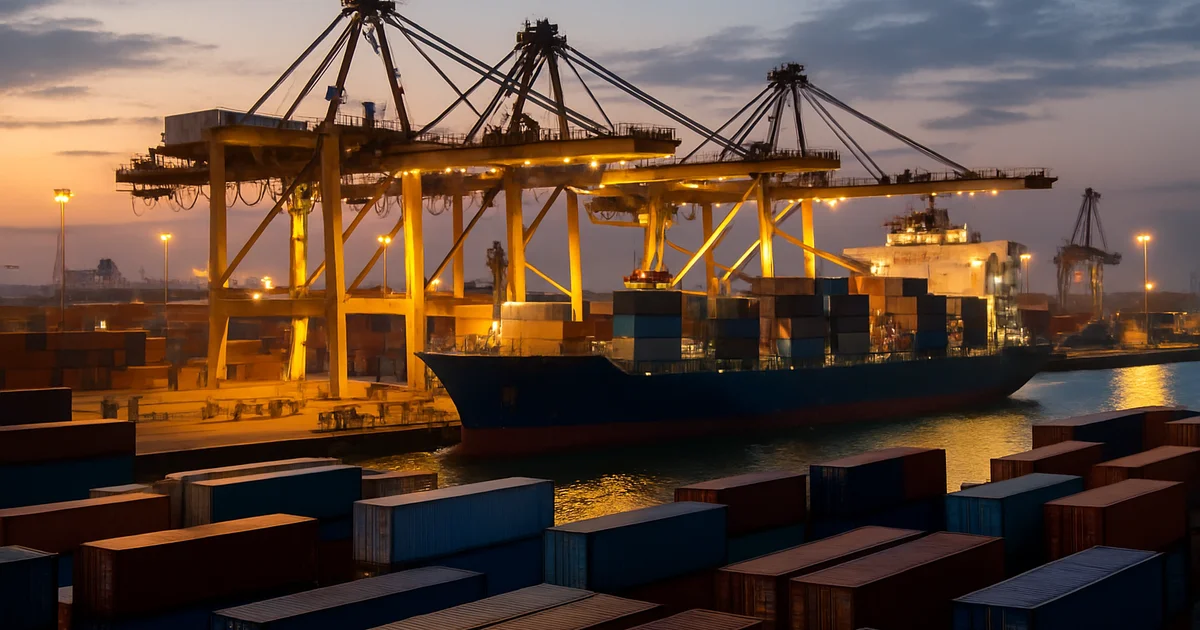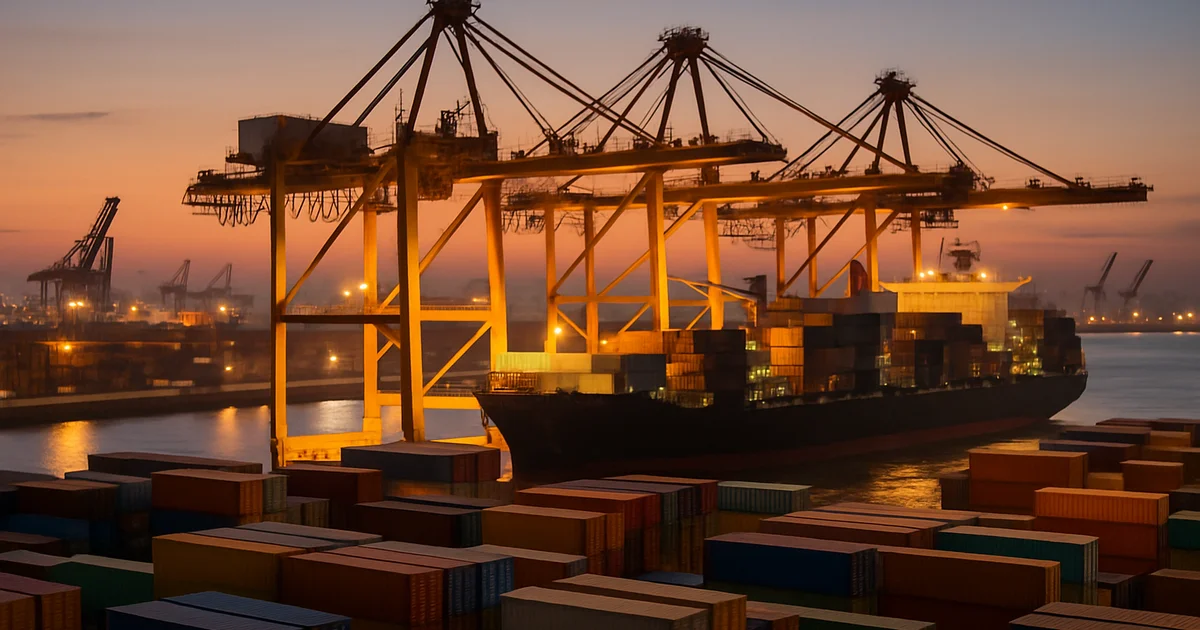
The Hong Kong Marine Department has announced new initiatives aimed at enhancing environmental sustainability within its ports, targeting shipowners and operators who adopt greener shipping practices. The schemes are set to roll out starting September 2023 and are part of ongoing efforts to reduce emissions from maritime activities around the busy Asian port.
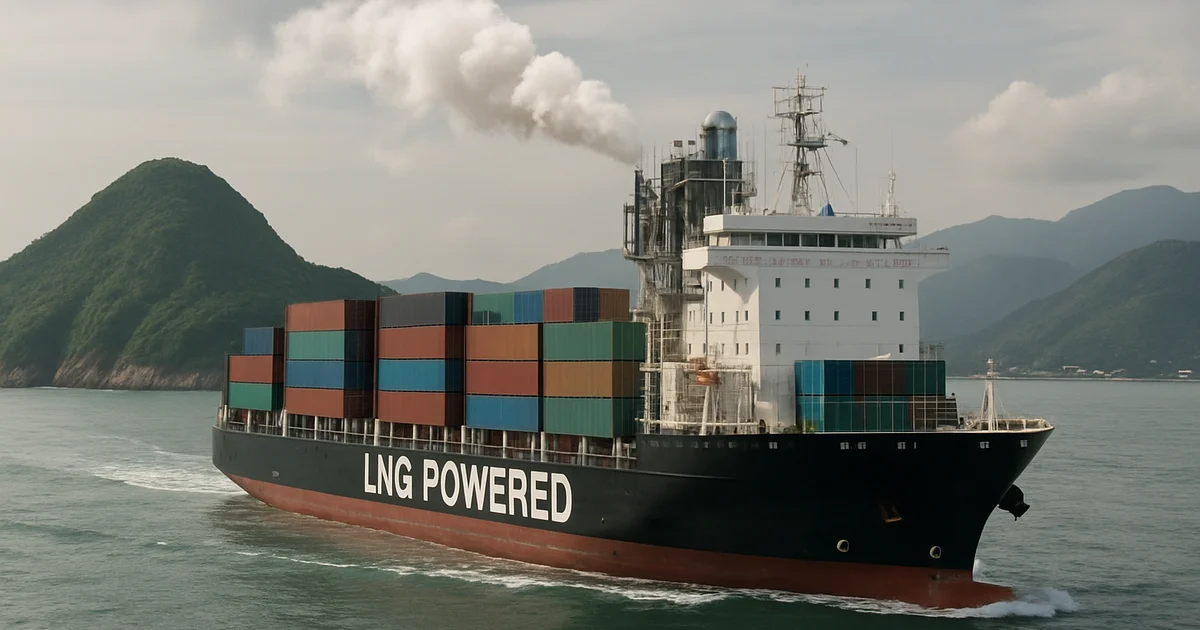
According to the Marine Department, the incentives will include reductions on port dues for vessels that meet specific environmental criteria. Ships with a high energy efficiency design index (EEDI) and those utilizing liquefied natural gas (LNG) or equipped with emissions-reducing technology such as scrubbers will be eligible for these discounts. The aim is to encourage the adoption of cleaner technologies and fuels, aligning with global decarbonization targets set by the International Maritime Organization (IMO).
The initiative also coincides with Hong Kong's broader environmental strategy, which seeks to position the port as a leader in green shipping practices within the region. This strategy involves not only financial incentives but also the active promotion of sustainable shipping standards that look to inspire other major ports across Asia to follow suit.
In a statement from a senior spokesperson, the Marine Department emphasized the importance of these incentives. "By supporting clean shipping practices, we are taking significant steps towards reducing the carbon footprint of our maritime sector. These schemes are integral to our long-term environmental commitment," said the official.
Why this matters
The introduction of these green shipping incentives by Hong Kong's Marine Department is poised to have significant operational impacts. For shipowners and operators, the financial relief from reduced port dues may provide an economic justification for investing in LNG-fueled vessels or retrofitting existing ships with emission-reducing technologies. This could drive an increase in demand for such technologies and incentivize quicker turnover in global fleets toward greener vessels.
Furthermore, Hong Kong's initiative might set a precedent for other global port authorities, prompting similar measures to be implemented worldwide. As ports pursue sustainable practices, they could increasingly become benchmarks for environmental performance within international shipping routes.
Financially, this development could affect the competitive landscape among ports, with green practices becoming a key differentiating factor. Ports that fail to adopt similar measures may risk losing business to those that offer more attractive conditions for environmentally friendly vessels.
Operationally, the shipping industry may also see changes in vessel deployment strategies, as companies seek to maximize the benefits of operating in ports that offer environmental incentives. This could lead to shifts in shipping lanes, cargo routing, and port calls.
The maritime industry will be keenly observing how effectively these schemes are implemented and their subsequent impact on shipping patterns. The potential wider adoption of similar practices across other ports will be crucial in meeting international maritime decarbonization goals.