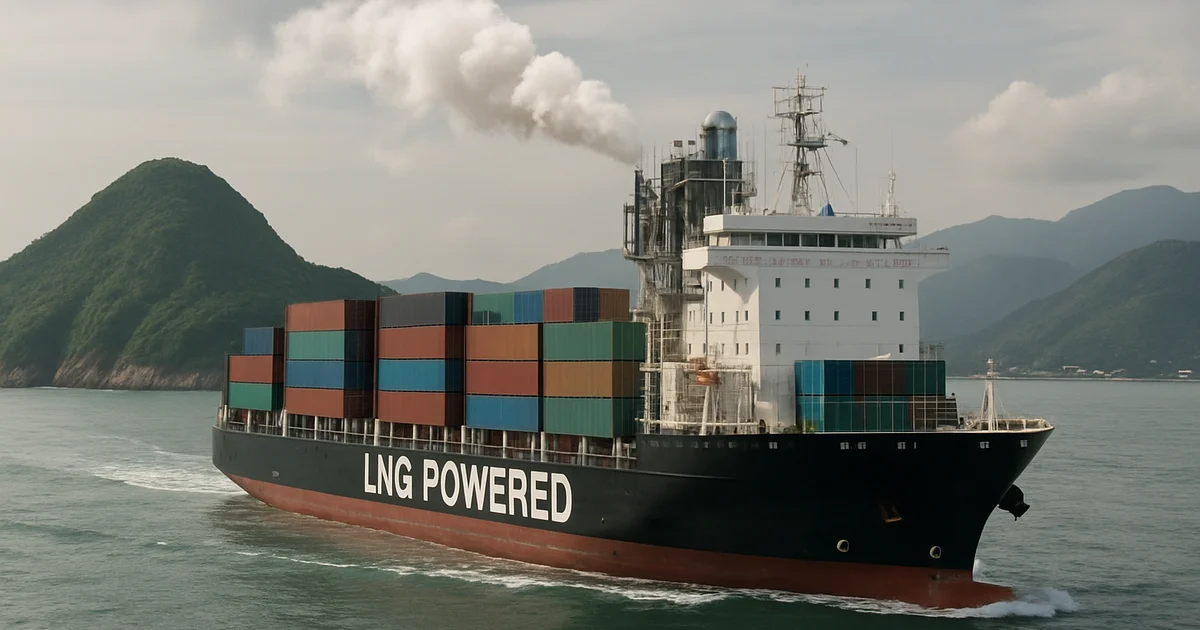
Hong Kong-registered tanker was the target of a suspected piracy incident in the Strait of Hormuz, a crucial maritime chokepoint known for its strategic importance to global oil transportation. The attack occurred as geopolitical tensions in the region showed signs of easing with ongoing diplomatic discussions directed toward a potential peace deal.
The incident involved a group of assailants who boarded the tanker under cover of night. The vessel's crew, whose exact nationality and number remain undisclosed, managed to send a distress signal, prompting nearby naval forces to respond swiftly. The cargo details, presumably oil given the vessel type, have not been confirmed as part of public reports.
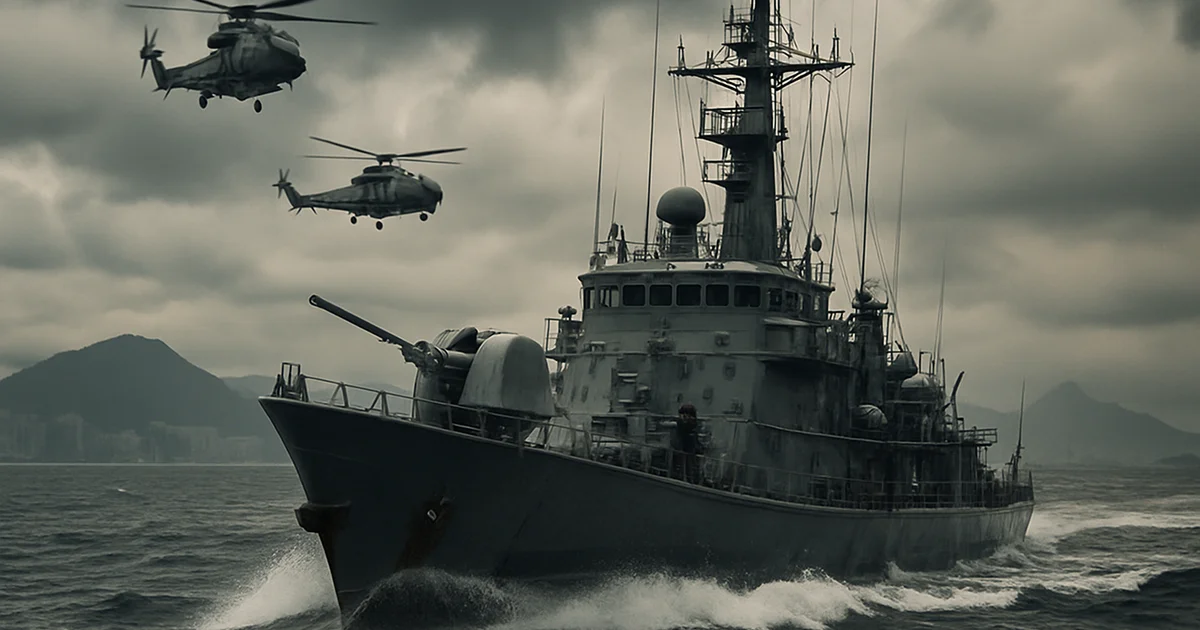
Intervention by a coalition maritime patrol, already present in the region, prevented significant harm to the vessel or its crew. The authorities apprehended some of the attackers, while others remain at large. It underscores the persistent threat of piracy in major shipping corridors despite heightened security measures.
The Strait of Hormuz continues to be a volatile area. Recent piracy incidents highlight the ongoing security challenges facing tanker operators and the shipping community. The waterway serves as a lifeline for countless vessels transporting oil from the Middle East to global markets, emphasizing the necessity for naval vigilance and robust security frameworks.
Why this matters
This attack on the Hong Kong-registered tanker in the Strait of Hormuz signifies heightened security risks for vessels in one of the world's most pivotal oil transit lanes. Operators face exposure to increased insurance costs and potential disruptions, as renewed threats could lead to escalated war-risk premiums for shipowners and charterers.
Institutional responses, including from the UK Maritime Trade Operations (UKMTO) and other monitoring agencies, stress the importance of maintaining stringent security protocols and conducting thorough due diligence on crew and cargo operations. Secondary sanctions remain a consideration as geopolitical climates shift.
Detection of these threats remains a priority, necessitating greater reliance on AIS data and satellite monitoring to deter attacks before they manifest. The potential disruption to energy supply chains mandates precise navigation and risk assessment from vessel operators traversing this corridor.
For maritime operators and stakeholders, the attack underscores the need for persistent vigilance and adaptive security frameworks. As peace talks progress, continued attention to maritime security coordination will be crucial for ensuring safe passage in one of the world's most important, yet turbulent, straits.