Vietnam Considers Rafale and Su-57 Fighter Jets: Potential Implications for Regional Air Power Dynamics in the South China Sea
Vietnam’s Fighter Jet Showdown: Rafale or Su-57? Hanoi’s High-Stakes Air Power Gamble Could Reshape South China Sea Balance Defence Security Asia
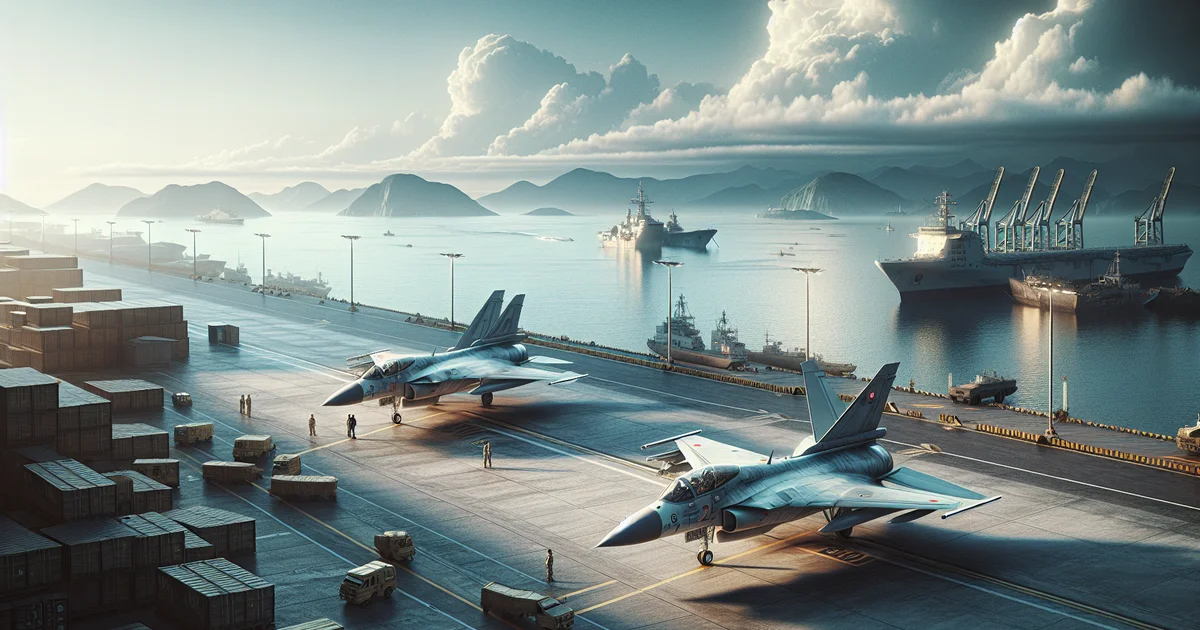
Vietnam is currently evaluating its options for enhancing its air power, with a focus on acquiring advanced fighter jets. The primary contenders in this assessment are the French-made Rafale and the Russian Su-57. This decision is significant as it could influence the balance of military power in the South China Sea region.
The Rafale, produced by Dassault Aviation, is a multirole fighter known for its versatility and advanced technology, including capabilities for air-to-air combat, ground attack, and reconnaissance. It has been utilized by several countries and is noted for its agility and advanced avionics.
On the other hand, the Su-57, developed by Sukhoi, is Russia's fifth-generation stealth fighter. It features advanced stealth capabilities, supermaneuverability, and an array of modern avionics and weaponry. The Su-57 is designed to engage multiple targets simultaneously and is intended to operate in contested environments.
The decision-making process for Vietnam's air force involves a thorough evaluation of operational requirements, budget constraints, and geopolitical factors. The acquisition of either fighter jet would represent a significant investment in military capabilities and could enhance Vietnam's defense posture amid ongoing territorial disputes in the South China Sea.
Vietnam has been modernizing its military over recent years, focusing on improving its air defense systems and naval capabilities. This modernization is in response to various regional security challenges, including assertive maritime claims by neighboring countries.
The potential acquisition of either the Rafale or Su-57 would not only enhance Vietnam’s air combat capabilities but may also reflect its strategic intentions within the broader context of regional security dynamics. The decision is likely to be influenced by Vietnam's relationships with both France and Russia, as well as the implications for its defense ties with other nations in the region.
The outcome of this evaluation process will be closely watched by regional observers, as it may have implications for the military balance in the South China Sea, an area of significant strategic interest due to its vital shipping routes and ongoing territorial disputes.