The maritime industry, long perceived as a traditional and conservative sector, is undergoing a significant shift, catalyzed by the emergence of innovative startups and entrepreneurial ventures. These new players are deploying cutting-edge technologies across areas such as digitalization, sustainability, and autonomous operations, driving both operational efficiency and environmental accountability in an increasingly competitive market.
Digital Platforms and Smart Shipping Innovation
Startups like Nautilus Labs and ShipIn Systems are at the forefront of transforming vessel operations. By integrating AI-driven analytics, Internet of Things (IoT) devices, and predictive algorithms, they enable ship operators to optimize fuel management, reduce emissions, and bolster safety protocols.
Green Technologies Addressing Sustainability Challenges
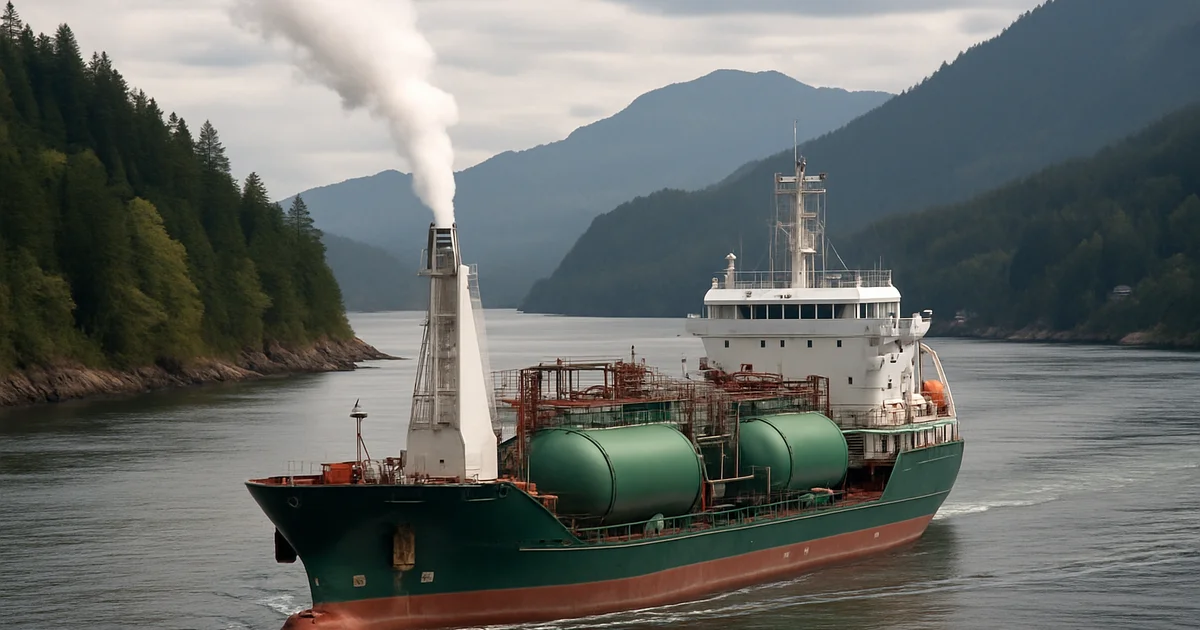
Environmental compliance remains a central focus for entrepreneurs. Companies such as Orca AI and Bound4Blue have pioneered emission-reduction technologies, including wind-assisted propulsion systems and advanced navigation solutions, helping shipowners meet MARPOL and IMO decarbonization targets efficiently.
Autonomous Maritime Transport Gains Traction
The push for unmanned vessel technology has gathered momentum, led by innovators like Sea Machines Robotics. Their autonomous systems offer significant safety advantages for operations in high-risk zones while enhancing cargo-routing efficiency in key shipping corridors.
Marketplace Platforms Streamlining Logistics
The traditionally opaque procurement and logistics processes are becoming more transparent with platforms such as ShipServ and Flexport. These tools improve freight procurement, boost communication between stakeholders, and enhance supply chain workflows for quicker turnaround times.
Digitized Port Operations Reduce Bottlenecks
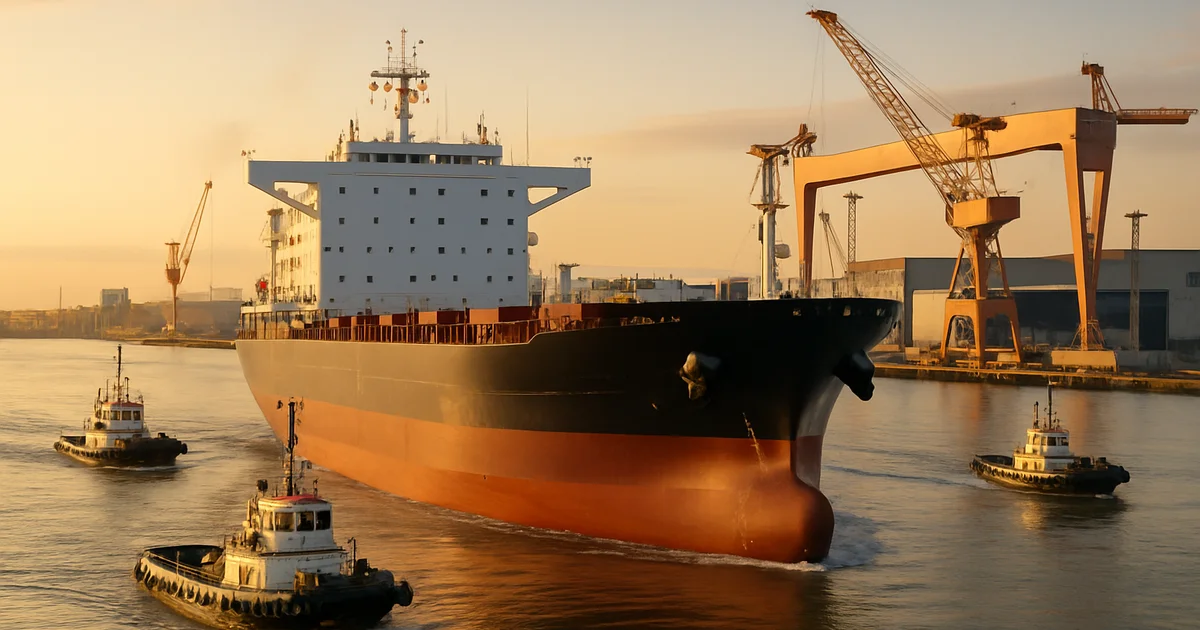
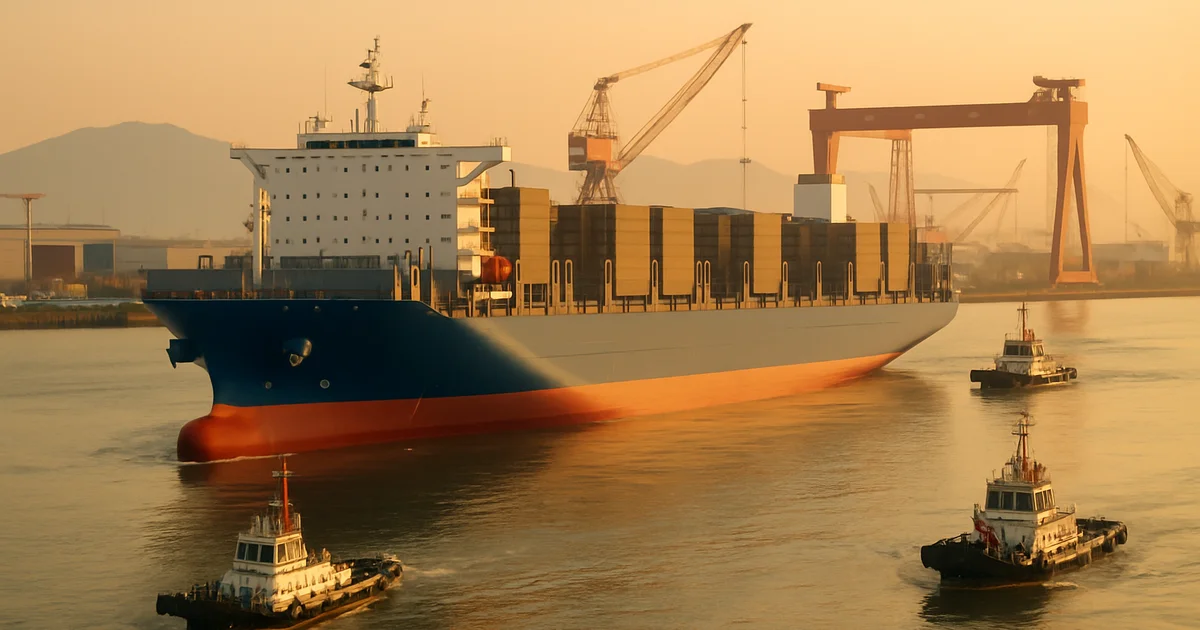
Another wave of startups is targeting port congestion issues, leveraging digital platforms to streamline cargo tracking and facilitate coordination. By enhancing operational visibility, these companies support faster vessel berthing and minimize bottlenecks that historically have disrupted supply chain flow.
Why this matters
The rise of maritime startups signals a broader industry shift toward technology-driven operations and sustainable practices. Shipowners and operators now face increased pressure to adopt these trends, not only to remain compliant with tightening environmental regulations, such as IMO climate mandates, but also to compete in a marketplace valuing transparency and efficiency. From wind propulsion systems to autonomous navigation tools, these innovations are reshaping operational dynamics and cost structures.
Furthermore, the digitization of logistics and port management introduces vital changes to supply chains, allowing stakeholders to manage demand fluctuations more efficiently. This transformation is critical in mitigating delays caused by growing port congestion and seasonal throughput peaks.
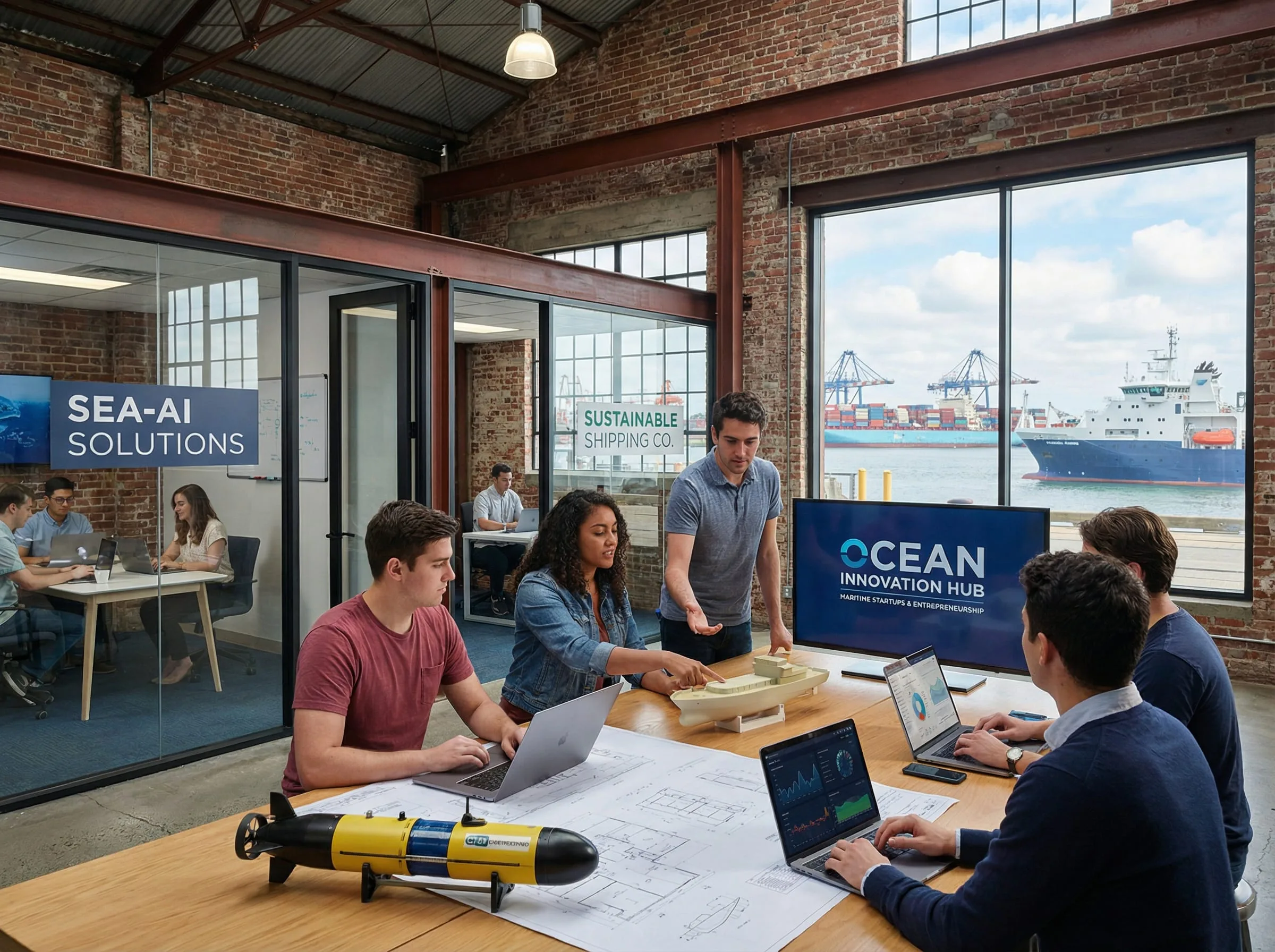
For entrepreneurs, the maritime sector offers unique opportunities as demand for cutting-edge solutions rises. Accessing funding through venture capital and maritime accelerators remains pivotal, while forming partnerships with established industry players can unlock key resources for scaling global operations.
Moving forward, the success of maritime startups will hinge on their ability to tackle regulatory challenges and maintain agility in an evolving trade environment. Innovations that align with sustainability targets and operational efficiency demands are expected to drive competitive advantage across shipping, ports, and logistics.